Staying Hydrated in Townsville's Heat: How Much and What to DrinkUpdated
With our subtropical climate ramping up, understanding your fluid intake needs could be the difference between peak performance and heat exhaustion.
With our subtropical climate ramping up, understanding your fluid intake needs could be the difference between peak performance and heat exhaustion.
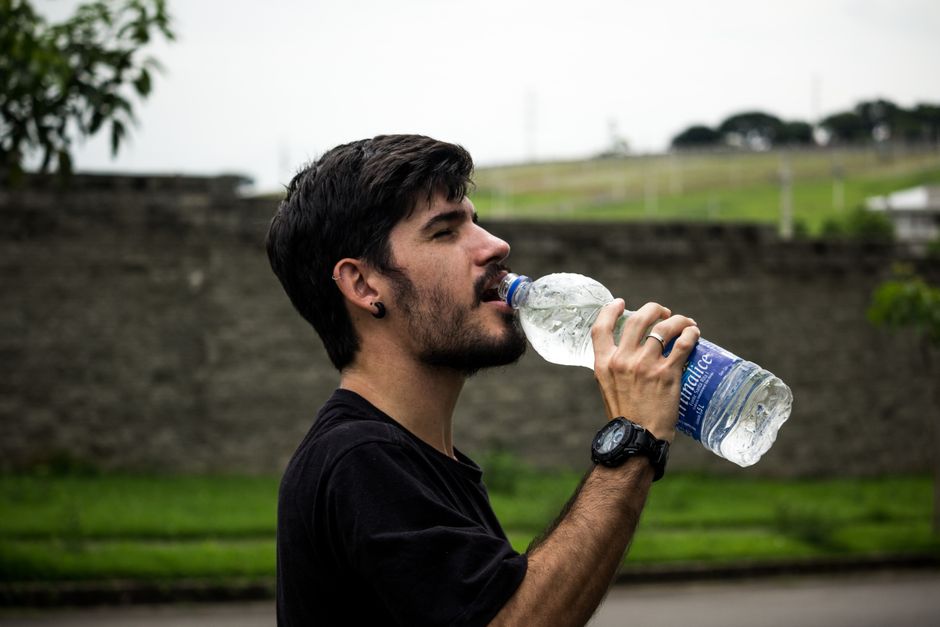
Townsville's mercury regularly climbs above 30°C, and during summer months, the humidity can make it feel significantly hotter. For locals tackling the Castle Hill 2.5km daily climb or exploring Magnetic Island's walking trails, proper hydration isn't a wellness trend—it's essential.
The general guideline of eight glasses daily doesn't account for our climate. According to health authorities, people in tropical and subtropical regions should aim for 3–4 litres daily, with adjustments based on activity level and individual factors. If you're exercising outdoors in Townsville's conditions, you're likely losing 1–1.5 litres per hour through sweat alone.
Water remains your foundation. But what about electrolytes? Sports drinks containing sodium and potassium can help during intense activity lasting over 90 minutes—say, a Strand Waterpark beach workout followed by a longer hike. However, many commercial options contain added sugars (up to 7 teaspoons per serving). Coconut water, available at most supermarkets along Ross River Drive and around the CBD, offers a natural alternative with roughly 600mg of potassium per cup and minimal added sugars.
Timing matters more than many realise. Rather than waiting until you're thirsty, drink regularly throughout the day. Start your morning with a glass of water before breakfast, then drink consistently—200–300ml every 15–20 minutes during exercise. By mid-afternoon, most active Townsville residents should have consumed 2–2.5 litres.
Be cautious with caffeinated beverages. While coffee and tea are hydrating in moderate amounts, excessive intake can increase urination and reduce net fluid retention. Energy drinks popular among younger residents often pack 240mg of caffeine per can—roughly double a standard coffee—combined with high sugar loads.
Temperature also influences choice. Cold water absorbs faster during exercise, making it preferable for those tackling morning climbs before the midday heat sets in. Warm beverages suit cooler mornings or recovery periods afterward.
Listen to your body. Dark-coloured urine suggests dehydration; pale yellow indicates adequate hydration. Headaches, dizziness, or reduced performance during exercise are red flags worth taking seriously in our climate.
For personalised advice about your specific hydration needs—particularly if you have underlying health conditions—consult your GP or a sports dietitian. Townsville Hospital's outpatient services can provide tailored guidance based on your individual circumstances and activity profile.
Our subtropical environment demands respect and planning. Make hydration intentional, not an afterthought.
This article was compiled by AI and screened before publishing. See our editorial standards.
About this article
Published by The Daily Townsville
Spread the word
Newsletter