The Nap Paradox: When Afternoon Sleep Helps Your Wellness – And When It Sabotages Your NightUpdated
As Townsville's winter weather invites us indoors, sleep experts warn that midday dozing is a double-edged sword for our health and productivity.
As Townsville's winter weather invites us indoors, sleep experts warn that midday dozing is a double-edged sword for our health and productivity.
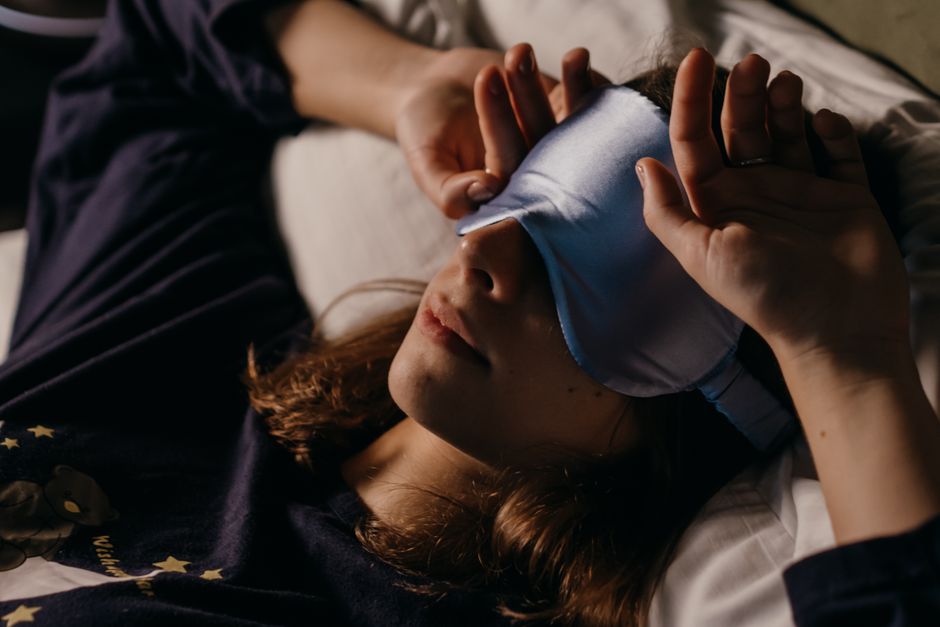
Picture this: it's 2pm on a chilly June afternoon, you're back from a Castle Hill climb, and your eyelids feel impossibly heavy. The urge to nap is overwhelming. But should you surrender to it?
Sleep science offers a nuanced answer. A strategic 20-minute nap can genuinely enhance cognitive function, mood, and physical recovery – particularly valuable for those of us juggling Townsville's humid summers and demanding work schedules. Research suggests power naps boost alertness for several hours afterward, making them especially helpful for shift workers at Townsville Hospital or those with physically demanding jobs.
The trouble begins when naps drift beyond 30 minutes. Longer sleep periods trigger deeper sleep stages, leaving you groggy and disoriented – what sleep researchers call 'sleep inertia'. Worse, afternoon naps extending past 3pm can interfere with nighttime sleep architecture, making it harder to fall asleep at a reasonable hour and disrupting the restorative deep sleep your body needs.
Townsville's lifestyle presents particular challenges. Our subtropical climate encourages afternoon lethargy, especially during cooler months when melatonin production shifts. Add to this the physical demands of local outdoor activities – whether it's hiking Magnetic Island or spending time at Strand Waterpark – and accumulated sleep debt becomes real.
The timing sweet spot is narrow: a nap between 1pm and 3pm, lasting no longer than 20 minutes. This window captures the natural circadian dip many of us experience after lunch without triggering the deeper sleep stages that leave us groggy. Set an alarm on your phone. Consistency matters, too – napping at the same time daily trains your body's internal clock.
Who benefits most? Parents managing school schedules, professionals with flexible workplaces along The Strand's business precinct, and anyone recovering from illness or intense exercise. Who should avoid napping? Evening shift workers, those with insomnia, and anyone struggling with nighttime sleep quality.
A practical local consideration: if you're a regular Castle Hill climber or weekend Magnetic Island hiker, strategic napping on non-activity days can enhance recovery. But if you're lying awake at 11pm, your afternoon rest is likely the culprit.
The wellness takeaway isn't 'nap more' or 'nap less' – it's 'nap smarter'. Your body's signals matter, but so does intentionality. Before surrendering to that heavy-eyed feeling, ask yourself: will this nap energise my evening, or compromise my night? For most Townsville residents, that distinction makes all the difference to genuine wellness.
This article was compiled by AI and screened before publishing. See our editorial standards.
About this article
Published by The Daily Townsville
Spread the word
Newsletter