Cold Water Therapy Townsville: Science-Backed Recovery BenefitsUpdated
Discover how cold water immersion aids muscle recovery and mood. Learn the science behind ice baths and how Townsville's active community can safely use this wellness technique.
Discover how cold water immersion aids muscle recovery and mood. Learn the science behind ice baths and how Townsville's active community can safely use this wellness technique.
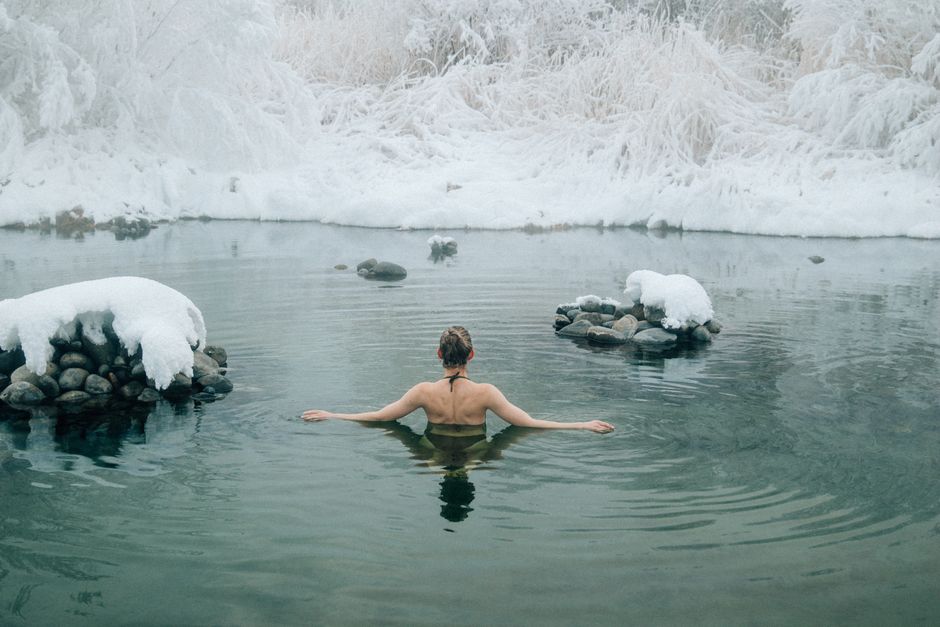
Whether you're descending Castle Hill after your daily 2.5km climb or recovering from a weekend hike across Magnetic Island, cold water immersion has become a wellness buzzword that's hard to ignore. But separating fact from fitness fad requires understanding what cold water therapy actually does to your body.
Cold water therapy—typically water between 10–15°C—triggers a physiological response called vasoconstriction, where blood vessels narrow to conserve core body temperature. Once you exit, vasodilation follows: blood vessels expand, flooding muscles with oxygen-rich blood. This cycle may reduce inflammation and accelerate recovery, particularly after intense exercise. Studies suggest 2–5 minute immersions, repeated 2–3 times weekly, show the most promise for joint and muscle soreness.
For Townsville's active population, the benefits extend beyond physical recovery. Cold water exposure activates the parasympathetic nervous system, potentially improving mood, resilience, and stress tolerance. Regular practitioners report enhanced mental clarity—useful when preparing for those challenging Strand Waterpark beach sessions or endurance-focused training.
Local options are expanding. Townsville Hospital's allied health team can advise on safe protocols, while community pools in Aitkenvale and Hyde Park offer accessible alternatives to home ice baths. A basic home setup—a bathtub filled with ice (roughly $8–12 per session in ice costs) or a commercial ice bath unit ($2,000–4,000 one-time investment)—provides consistent, convenient access.
However, cold water therapy isn't risk-free. Sudden immersion can trigger cold shock response in untrained individuals, elevating heart rate and blood pressure dangerously. People with cardiovascular conditions, Raynaud's syndrome, or cold urticaria should consult a local GP before attempting any cold water protocol. Gradual acclimatization—starting with 30-second exposures—reduces injury risk significantly.
The golden rule: cold water therapy complements, not replaces, proper warm-up, hydration, and rest-day protocols. Castle Hill climbers and Magnetic Island trekkers benefit most when cold immersion is paired with adequate sleep and balanced nutrition rather than used as a standalone recovery shortcut.
If you're considering cold water therapy, begin conservatively, monitor how your body responds, and discuss any concerns with your GP. Townsville's climate naturally supports outdoor cold water access during cooler months—making winter the ideal season to experiment safely.
This article was compiled by AI from the sources linked above and screened before publishing. See our editorial standards.
About this article
Published by The Daily Townsville
Spread the word
Newsletter