Screen time and sleep: what the research actually shows
As Townsville's winter nights grow longer, the science on phones, tablets and bedtime is clearer than ever—and it might surprise you.
As Townsville's winter nights grow longer, the science on phones, tablets and bedtime is clearer than ever—and it might surprise you.
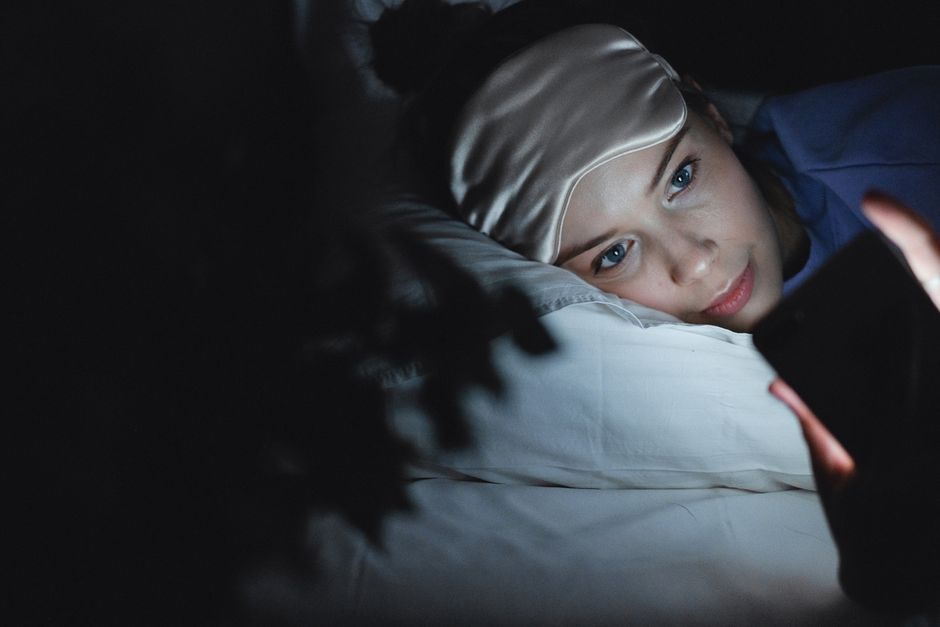
If you've spent the last hour scrolling through your phone while lying in bed, you're not alone. But the research on screen time and sleep quality is now clear enough that sleep scientists are sounding the alarm—and the findings challenge some common assumptions.
The core issue isn't actually the light from your screen, though blue light does suppress melatonin production. The bigger culprit is psychological engagement. A study published this year found that people who used devices for *interactive* activities—social media, gaming, work emails—experienced significantly worse sleep quality than those who passively watched video content. For Townsville residents juggling work, family and fitness routines (think early Castle Hill climbs or evening walks along The Strand), this distinction matters.
"The relationship between screen time and sleep isn't linear," explains Dr Sarah Chen, a sleep researcher at the University of Queensland. "It's about *what* you're doing and *when* you're doing it." The evidence suggests a hard cutoff—phones away at 9pm—is less important than avoiding stimulating content for 30 to 60 minutes before bed.
Local GP practices across Townsville, including those in Hyde Park and Belgian Gardens, report patients citing "racing thoughts" after evening device use. The research backs this up: platforms designed to maximise engagement trigger dopamine release, making your brain interpret bedtime as playtime.
What actually works? The science supports three practical strategies. First, use a blue-light filter app (most phones have built-in options at no cost) if evening device use is unavoidable. Second, establish a physical boundary: leave your phone in another room or use a basic bedside alarm instead. Third, replace interactive screen time with passive alternatives—audiobooks, podcasts, or reading—at least 45 minutes before sleep.
For Townsville's active population, evening outdoor activity offers an evidence-backed bonus. A 20-minute walk around Queen's Gardens or along Magnetic Island's coastal paths (accessible via the ferry from Ross Point) naturally triggers circadian rhythm alignment, making sleep onset easier regardless of earlier screen exposure.
The takeaway? Your phone isn't banned from your bedroom—but Instagram at 11:45pm probably should be. If sleep problems persist despite these changes, your local GP can rule out other factors.
Sleep hygiene isn't one-size-fits-all. The best approach is the one you'll actually follow.
This article was compiled by AI from the sources linked above and screened before publishing. See our editorial standards.
About this article
Published by The Daily Townsville
Spread the word
Newsletter