James Cook University: The Research University That Studies the TropicsUpdated
JCU's expertise in tropical medicine, reef science, and biodiversity is globally recognised.
JCU's expertise in tropical medicine, reef science, and biodiversity is globally recognised.
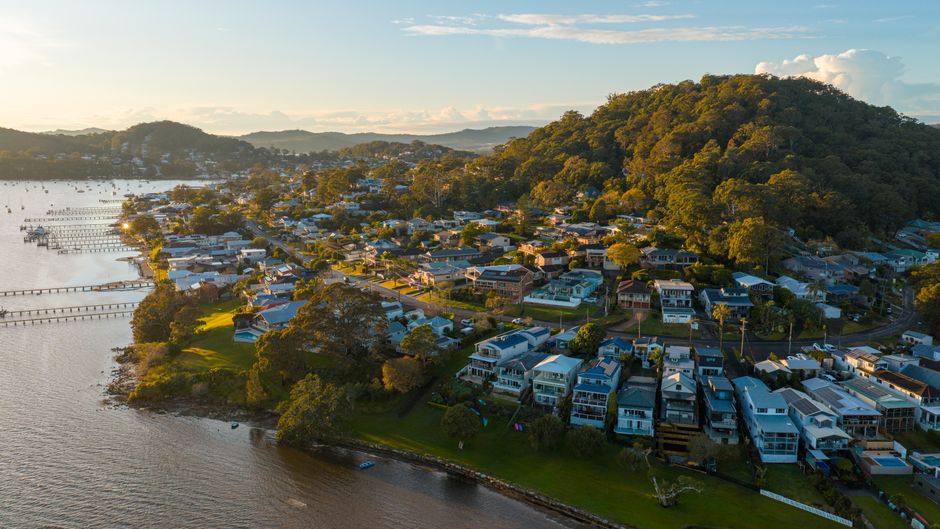
James Cook University, the university established at Townsville in 1970 to serve the educational and the research needs of the tropical north of Australia and that has developed into one of the world's leading research universities in the tropical sciences, marine biology, and the environmental and health sciences of the tropical regions, provides Townsville with the research institution whose reputation and the intellectual output reach far beyond the tropical north that the university serves and that the global relevance of the tropical sciences to climate change, biodiversity conservation, and tropical medicine creates. The university's ranking among the world's top 250 universities in the subject areas where the tropical focus creates the differentiated research capability reflects the recognition that the global research community has given to the JCU's intellectual contribution to the understanding of the world's tropical regions.
The ARC Centre of Excellence for Coral Reef Studies at JCU, one of the world's premier coral reef research institutions and the source of much of the scientific understanding of coral bleaching, the climate change impacts on reef ecosystems, and the management interventions that sustain reef health, provides the research capability that the Great Barrier Reef's conservation management depends on for the scientific evidence that management decisions require. The centre's research, published in the world's leading scientific journals and communicated to the reef management bodies through the partnerships that the centre maintains with the Great Barrier Reef Marine Park Authority, directly informs the policy and the management practices that protect Australia's most significant natural asset.
The College of Medicine and Dentistry at JCU, delivering the medical education and the clinical training that the north Queensland health system requires and that the rural and tropical health focus of the college's curriculum prepares graduates for the health challenges of the tropical north, addresses the workforce challenge that the north Queensland health system faces in attracting and retaining the clinical workforce that the distance from the metropolitan health centres and the lifestyle challenges of the tropical north create. The medical college's focus on the tropical medicine, the Indigenous health, and the rural health disciplines that the north Queensland context demands creates the graduates who are prepared for the health challenges that the tropical and the remote communities present.
The innovation ecosystem that JCU anchors in Townsville through the JCULIFE program and the commercialisation of the research that the university's intellectual property creates, provides the technology transfer pathway that the research investment generates when the knowledge becomes the product and the service that the market values. The startups and the spin-outs that have emerged from JCU's research programs, in the areas of the reef monitoring technology, the tropical agriculture science, and the health diagnostics that the tropical medicine research creates, contribute to the knowledge economy that Townsville is building alongside the established mining and agricultural service sectors.
This article was compiled by AI from the sources linked above and screened before publishing. See our editorial standards.
About this article
Published by The Daily Townsville
Spread the word
Newsletter