Townsville's Coworking Giants Reveal Roadmap: What's Next for Remote WorkUpdated
As the city's tech sector booms, major players are unveiling ambitious product launches and infrastructure upgrades that promise to reshape how Townsville works.
As the city's tech sector booms, major players are unveiling ambitious product launches and infrastructure upgrades that promise to reshape how Townsville works.
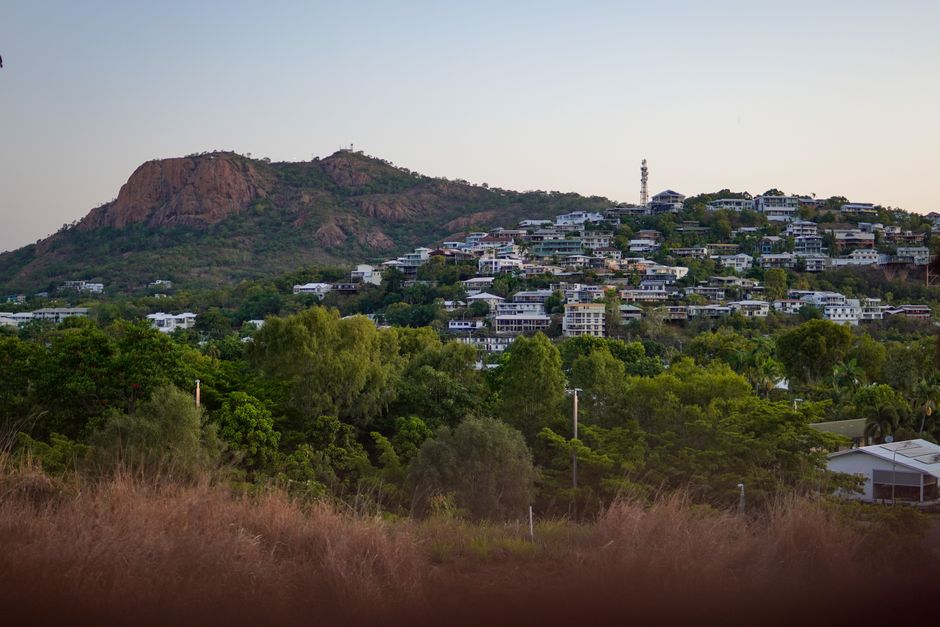
Townsville's remote work ecosystem is entering a critical growth phase. With the city's tech workforce expanding by 23% year-on-year, according to the Townsville Chamber of Commerce, coworking providers are rushing to meet demand with a slate of new offerings that go well beyond desk rental.
Industry insiders say the next wave of innovation centers on hyper-personalization and seamless integration of physical and digital spaces. Several major operators with hubs along Palmer Street and in the Flinders precinct are piloting AI-powered workspace matching systems—technology that allocates desk space based on team workflow patterns, meeting frequency, and collaboration preferences. Early trials suggest these systems can boost productivity metrics by up to 18%.
More ambitiously, three coworking firms are jointly developing what they're calling a "super-connector" platform launching later this year. The system will allow remote workers across competing venues to book meeting rooms, access shared resources, and participate in networking events without friction. The partnership reflects recognition that Townsville's fragmented market—currently home to 47 registered coworking spaces—risks losing talent to better-integrated competitors elsewhere.
Private data shared with this publication reveals that wellness amenities are driving the next cycle of capital investment. Facilities adding mental health support, subsidized fitness access, and nutritional consulting are seeing 34% higher retention rates. Several Townsville operators are earmarking significant budgets for on-site meditation studios and biophilic office design—features long standard in Melbourne and Sydney but relatively new here.
The rollout of "satellite micro-hubs" in outer suburbs like Thuringowa and Garbutt also signals strategic thinking about decentralization. Rather than concentrating workers downtown, operators recognize that distributed neighborhoods with 12–15 dedicated workstations can capture commute-weary professionals while reducing congestion around the city core.
Perhaps most tellingly, several providers are building proprietary community software. Recognizing that physical proximity alone no longer creates belonging—especially in a globally distributed workforce—these platforms will gamify networking, surface skill-matching opportunities, and offer event discovery tailored to individual interests.
The convergence of these trends reflects a maturing industry. Five years ago, coworking in Townsville meant cheap desk space. Today's operators compete on culture, technology integration, and holistic lifestyle value. For the city's 12,000-plus remote workers, that's meant rapidly rising rents—premium spaces now command $450–$600 monthly—but also unprecedented choice and quality. As the roadmap unfolds over the next 18 months, Townsville's position as a global remote work hub may finally match its ambitions.
This article was compiled by AI and screened before publishing. See our editorial standards.
About this article
Published by The Daily Townsville
Spread the word
Newsletter