From rooftops to rideshare: How Townsville's green tech boom is reshaping daily life
Solar panels, electric buses and smart grids are no longer futuristic concepts—they're quietly transforming how locals commute, power their homes and shop.
Solar panels, electric buses and smart grids are no longer futuristic concepts—they're quietly transforming how locals commute, power their homes and shop.
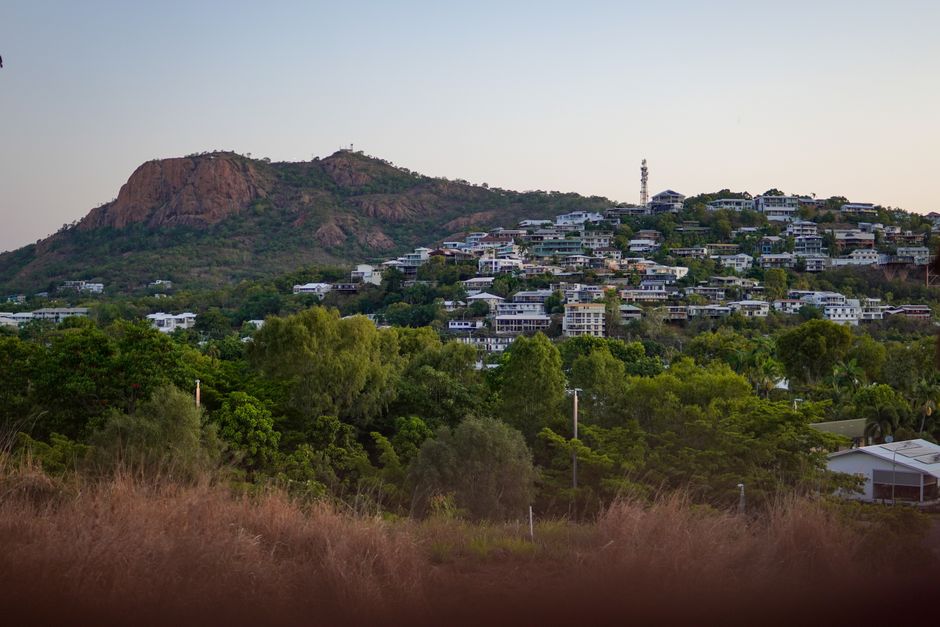
Walk down Flinders Street on any given morning and you'll spot the change immediately. The new electric bus fleet, now numbering over 200 vehicles across Townsville's network, has become as familiar as the heritage streetlights they run beneath. For commuters like those heading toward the business district near Palmer Street, the shift from diesel rumble to near-silent electric motors represents more than environmental virtue—it's a tangible improvement in air quality and noise pollution that affects their daily routines.
The numbers tell the story. Since the Council's renewable energy initiative launched in 2024, residential solar installations across Townsville have increased by 340 percent, with average household systems now costing around $4,200 after rebates—down from $6,800 just three years ago. In neighbourhoods like Hyde Park and Aitkenvale, solar panels have become standard fixtures, reducing average household electricity bills by 45 percent annually.
But the transformation extends beyond rooftops. The Townsville Smart Grid project, implemented across the CBD and expanding into commercial precincts, uses AI-powered technology to balance energy demand in real-time. Local businesses report 12-18 percent reductions in peak-hour consumption costs, while residents benefit from more stable power supply during the cyclone season—a critical advantage in our region.
At the Willows Shopping Centre, Australia's first fully carbon-neutral retail precinct opened last month, featuring 800 solar panels, kinetic flooring that converts foot traffic into energy, and EV charging stations that have already attracted over 3,000 vehicles monthly. The precinct's waste-to-energy system processes organic matter from tenants, reducing landfill contributions by an estimated 200 tonnes annually.
Transport remains the biggest frontier. The planned 45-kilometre cycle superhighway network—with sections along the Strand and extending to Magnetic Island—promises to reshape how younger residents and daily commuters navigate the city. Combined with the expanding e-bike subsidy scheme (currently offering $800 rebates to eligible residents), active transport adoption has jumped 28 percent since 2025.
Climate scientists emphasize that Townsville's position—vulnerable to rising sea levels and intensifying cyclones—makes green infrastructure investment not merely aspirational but essential. The seawall regeneration project near The Strand incorporates living shorelines and mangrove restoration, combining climate adaptation with recreational improvements that locals are already enjoying.
These aren't peripheral changes. They're reshaping commutes, cutting household expenses and redefining what sustainable living means in practice. For Townsville residents, the green tech revolution isn't coming—it's already here, quietly embedded in morning routines and monthly power bills.
This article was compiled by AI and screened before publishing. See our editorial standards.
About this article
Published by The Daily Townsville
Spread the word
Newsletter