Townsville's Tech Scene is Ditching the Traditional Office—Here's What's Happening Right NowUpdated
A wave of hybrid work adoption and coworking expansions are reshaping how local startups and established tech firms operate.
A wave of hybrid work adoption and coworking expansions are reshaping how local startups and established tech firms operate.
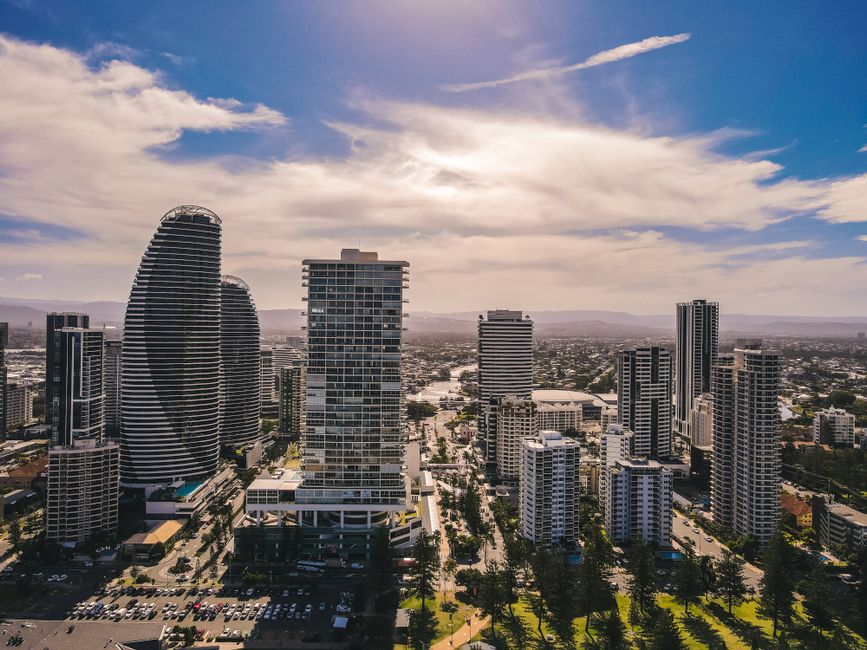
The Townsville tech corridor is undergoing a quiet but significant transformation. Walk through the precinct around Flinders Street these days and you'll notice something that would have seemed unlikely five years ago: premium coworking spaces are thriving, while traditional office leasing is contracting for the first time.
The shift reflects a broader realignment in how Townsville's 3,200-plus tech workers approach their careers. According to recent workplace mobility surveys, approximately 62% of local tech professionals now work remotely at least three days per week—up from 34% in early 2024. For startups and smaller firms, the numbers are even more pronounced, with 71% adopting some form of distributed work model.
Spaces like The Forge on Palmer Street and Catalyst Hub near the CBD have expanded capacity by 40% over the past eighteen months, capitalizing on demand from founders and teams seeking flexibility without the six-year commercial lease commitment. Monthly coworking memberships in Townsville now range from $280 to $650, positioning the city competitively against Brisbane and Sydney alternatives.
But raw growth figures obscure a more nuanced story. Established tech employers—including several mid-sized software and fintech firms headquartered in Townsville—are downsizing their physical footprints while investing heavily in collaboration tools and occasional in-person gatherings. One pattern emerging: "anchor days" on Tuesdays and Wednesdays when teams congregate, replacing the all-hands, all-week office culture of the 2010s.
The shift carries implications for Townsville's real estate market and CBD revitalization efforts. Empty office blocks on Sturt Street are beginning conversion to mixed-use developments, though progress remains slower than in comparable cities. Meanwhile, cafes and informal meeting spaces throughout the Strand precinct have become de facto extensions of corporate work environments.
Local economic development bodies acknowledge both opportunities and risks. Remote-first policies attract talent from Melbourne and Sydney seeking lower costs of living, yet they potentially weaken the foot traffic that sustains hospitality and retail sectors downtown. Several tech firms report recruiting successfully from interstate, suggesting Townsville's talent pool is no longer geographically constrained—a first-mover advantage quickly eroding as competitors adopt similar strategies.
As we head into the second half of 2026, Townsville's tech ecosystem appears to be settling into a new equilibrium: distributed teams, flexible spaces, and a redefined CBD. Whether this proves sustainable depends largely on how quickly the city's commercial and civic infrastructure adapts.
This article was compiled by AI and screened before publishing. See our editorial standards.
About this article
Published by The Daily Townsville
Spread the word
Newsletter