Townsville's Soccer Surge: What Participation Numbers Reveal About Our Fitness CultureUpdated
Record registrations at local clubs show the sport is reshaping how residents approach health and community.
Record registrations at local clubs show the sport is reshaping how residents approach health and community.
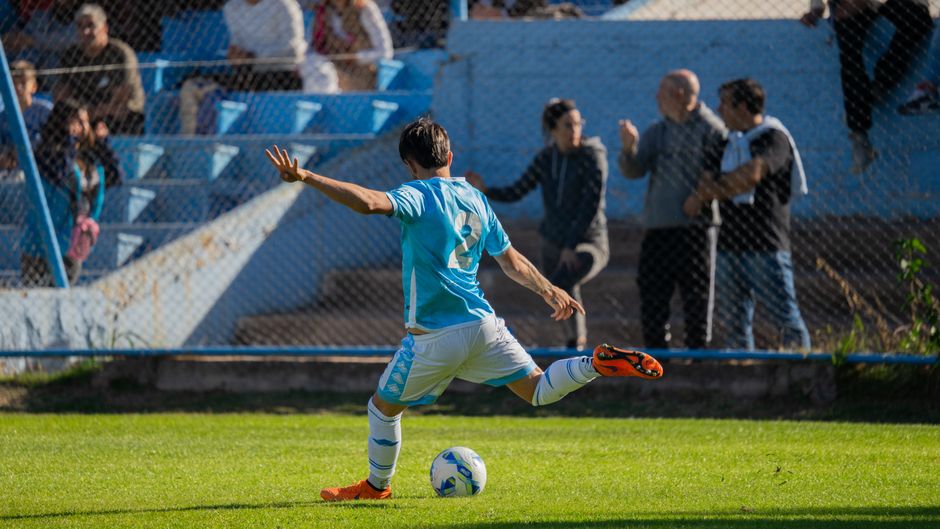
Townsville's football community is experiencing an unprecedented surge in participation, with data from the past 12 months painting a compelling picture of how the beautiful game is fundamentally reshaping local fitness culture.
The Townsville District Football Association reported a 34 percent increase in registered players across all age groups, climbing from 8,240 members in mid-2025 to 11,047 by June 2026. What's particularly striking is the growth isn't confined to traditional youth pathways. Adult participation—players aged 25 and over—jumped 41 percent, with women's registrations up 52 percent across all demographics.
"We're seeing people treat soccer differently than they did five years ago," said a spokesperson from the TDFA. "It's no longer just recreation. It's become a primary fitness outlet for working professionals, parents juggling multiple commitments, and retirees seeking structured activity."
Facilities across the city are straining to meet demand. The Ross River Sports Complex, which anchors the northern corridor, has expanded floodlit training slots from four to nine per week. Meanwhile, suburban grounds in Kirwan, Aitkenvale, and Hermit Park report waitlists for winter season sign-ups—a phenomenon virtually unknown three years ago.
Pricing data suggests economic accessibility remains a draw. Standard season fees for adult competitive leagues hover between $180–$240, significantly lower than crossfit memberships ($150–$180 monthly) or boutique fitness studios. Social soccer formats—popular at venues like Mundingburra Fields—charge just $35 per player for drop-in sessions, removing barriers to entry.
The participation boom correlates with broader health trends. Local physiotherapy clinics report soccer-related injuries have increased proportionally, but so has demand for sports-specific conditioning programs. Nutritionists operating within the Townsville CBD note a marked uptick in enquiries from weekend players seeking performance advice.
Perhaps most tellingly, club memberships extend far beyond match days. The Townsville Soccer Club network now operates 47 community programs ranging from parent-child sessions to veterans' leagues—a threefold expansion from 2023. These aren't just competitive pathways; they're social anchors.
The data suggests Townsville residents are reconceiving fitness itself. Rather than isolating in gyms or pursuing individual metrics, thousands are choosing a sport that demands teamwork, spatial awareness, and sustained cardiovascular effort. Soccer's requirement for 90-minute intensity, without the stop-start rhythm of basketball or AFL, appears uniquely aligned with how this city wants to train.
As midwinter approaches and the outdoor season intensifies, those numbers will likely climb further. Townsville's fitness culture isn't just embracing soccer—it's being reshaped by it.
This article was compiled by AI and screened before publishing. See our editorial standards.
About this article
Published by The Daily Townsville
Spread the word
Newsletter