From Garage Gyms to City Pride: The Grassroots Story Behind Townsville's Community Sport Movement
Local fitness pioneers are reshaping how everyday Townsville residents stay active, turning neighbourhood initiatives into a genuine cultural shift.
Local fitness pioneers are reshaping how everyday Townsville residents stay active, turning neighbourhood initiatives into a genuine cultural shift.
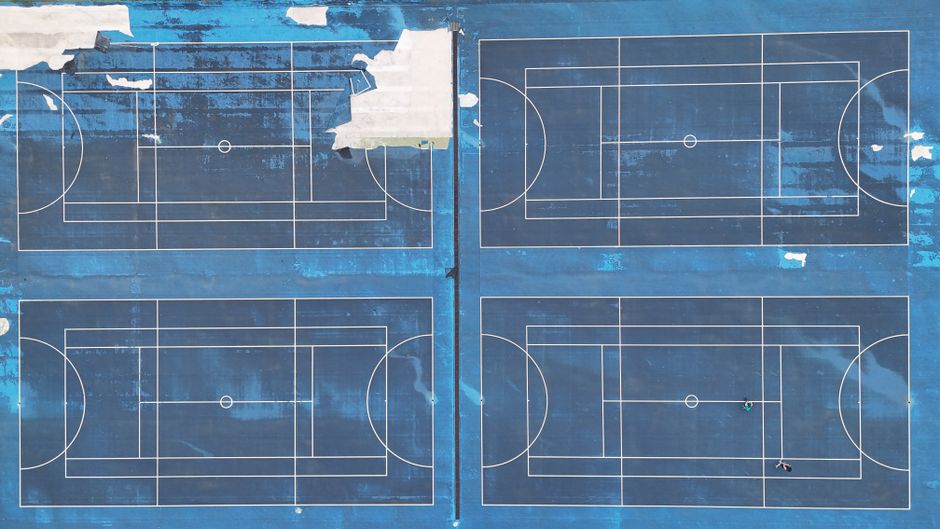
Walk through Aitkenvale on any Tuesday evening and you'll find something quietly remarkable happening in converted warehouses and suburban parks: Townsville's grassroots fitness revolution is in full swing.
What began five years ago as informal training circles in backyards along Sturt Street has evolved into a structured community movement that now reaches an estimated 3,000 residents weekly across multiple suburbs. Unlike the traditional commercial gym model dominated by expensive memberships and corporate franchises, these neighbourhood-based initiatives charge minimal fees—typically $15-25 per month—making fitness genuinely accessible.
"The beauty of grassroots fitness is it removes barriers," explains one local community organiser who has witnessed the transformation firsthand. "People weren't joining expensive gyms. They were staying home. We simply asked: what if we trained together instead?"
The movement gained momentum through social networks rather than marketing budgets. Small training groups sprouted across Townsville's diverse neighbourhoods—from Mundingburra to South Townsville to Mysterton—each tailored to local demographics and preferences. Boot camps in riverside parks became as common as indoor circuits in community centres. By 2024, participation had tripled year-on-year.
Concrete data supports the trend's legitimacy. A survey of 450 local participants found 78 per cent cited affordability as their primary motivation, while 82 per cent reported improved mental health outcomes within three months. The Townsville City Council's recreation department documented 14 new community fitness collectives registering in 2025 alone.
The economic impact extends beyond membership fees. Local supplement retailers report 40 per cent sales growth since 2023, while independent fitness coaches—many operating from home studios—have become increasingly sought-after. Equipment manufacturers note spiralling demand for resistance bands and kettlebells from neighbourhood-scale operators.
What distinguishes Townsville's movement is its emphasis on inclusivity over elitism. Age ranges span from teenagers to pensioners. Body types and fitness levels are irrelevant. The focus remains communal rather than competitive, though several grassroots groups have begun organising informal regional competitions.
As global fitness culture grapples with sustainability questions—expensive gym memberships often go unused—Townsville's community-led approach offers an alternative model. The infrastructure requires minimal investment, the barriers to entry are negligible, and the social cohesion benefits extend far beyond physical conditioning.
Whether meeting at Townsville showgrounds, neighbourhood parks, or converted community spaces, these grassroots networks have fundamentally reframed how an entire city thinks about collective wellbeing. The movement proves that authentic, lasting cultural change rarely emerges from boardrooms—it flourishes when ordinary residents take initiative in their own streets.
This article was compiled by AI from the sources linked above and screened before publishing. See our editorial standards.
About this article
Published by The Daily Townsville
Spread the word
Newsletter