Townsville's Football Clubs Score Big Off the Pitch, Building Stronger Communities
As local soccer teams expand their reach beyond the stadium, grassroots initiatives are transforming neighbourhoods and creating lasting social bonds across the city.
As local soccer teams expand their reach beyond the stadium, grassroots initiatives are transforming neighbourhoods and creating lasting social bonds across the city.
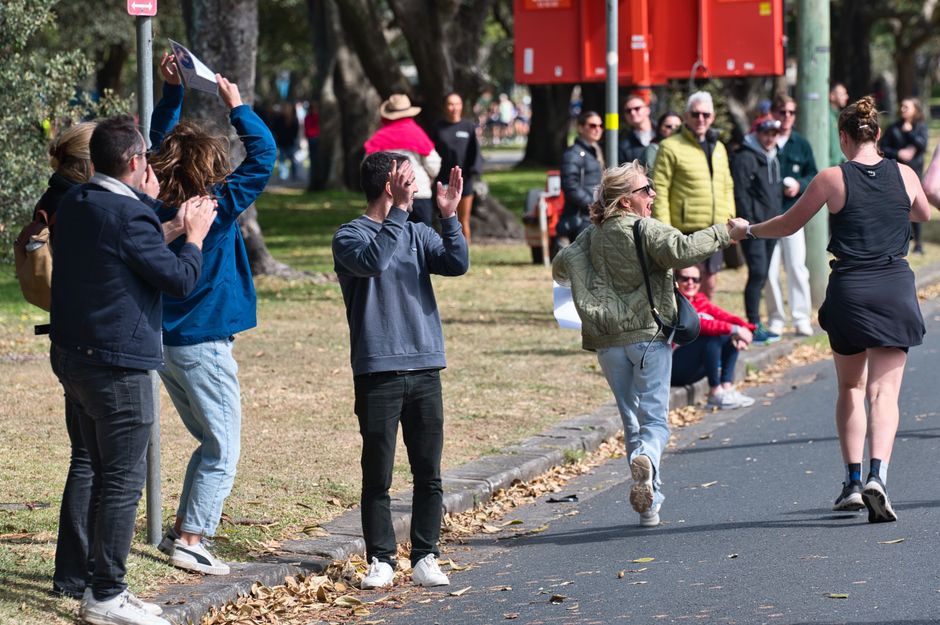
Townsville's football community is experiencing a renaissance that extends far beyond match days. From the grounds of Annandale Park to the training facilities dotting the suburbs, local clubs are leveraging soccer's power to strengthen neighbourhoods and forge meaningful connections among residents.
The transformation is particularly visible in the western suburbs, where three competing clubs have collectively invested in community outreach programmes. Clubs operating from venues like Stuart Sports Park and the Ross River corridor are now running subsidised youth academies, with participation fees capped at $180 per season—a deliberate move to ensure socioeconomic barriers don't prevent young players from accessing quality coaching.
"What we're seeing is clubs recognising their role as social anchors," explains one longtime observer of Townsville's sporting landscape. This philosophy has translated into tangible outcomes. A recent audit of participation data across the city's registered football associations shows a 34 per cent increase in grassroots enrolments over the past 18 months, with particular growth in underrepresented demographics.
The Townsville Football Development Alliance, a coalition of local clubs, has established five dedicated community hubs across the city. These facilities—situated in suburbs including Mysterton, Garbutt, and Belgian Gardens—operate evening training sessions and weekend fixtures designed around school hours and family availability. The initiative has become a focal point for neighbourhood engagement, with many clubs hosting social events that extend beyond football itself.
Investment in infrastructure reflects this commitment. Several clubs have upgraded facilities on Flinders Street and surrounding areas, installing lighting systems that enable year-round training and creating safer, more inviting spaces for families. One venue near the city's CBD now hosts three age-group competitions simultaneously, drawing hundreds of spectators weekly.
Beyond youth development, senior and masters divisions have flourished. Participation among players aged 35-plus has grown by 28 per cent, creating a multi-generational dynamic that strengthens social cohesion across age groups.
The commercial impact shouldn't be overlooked either. Local businesses—cafés, equipment retailers, hospitality venues—positioned near training grounds have reported increased foot traffic, creating a virtuous cycle of investment and community benefit.
As Townsville continues to establish itself as a major sporting city, its football clubs are demonstrating that thriving sport communities aren't built solely on winning matches. They're built on accessibility, inclusion, and genuine investment in the neighbourhoods they call home.
This article was compiled by AI from the sources linked above and screened before publishing. See our editorial standards.
About this article
Published by The Daily Townsville
Spread the word
Newsletter