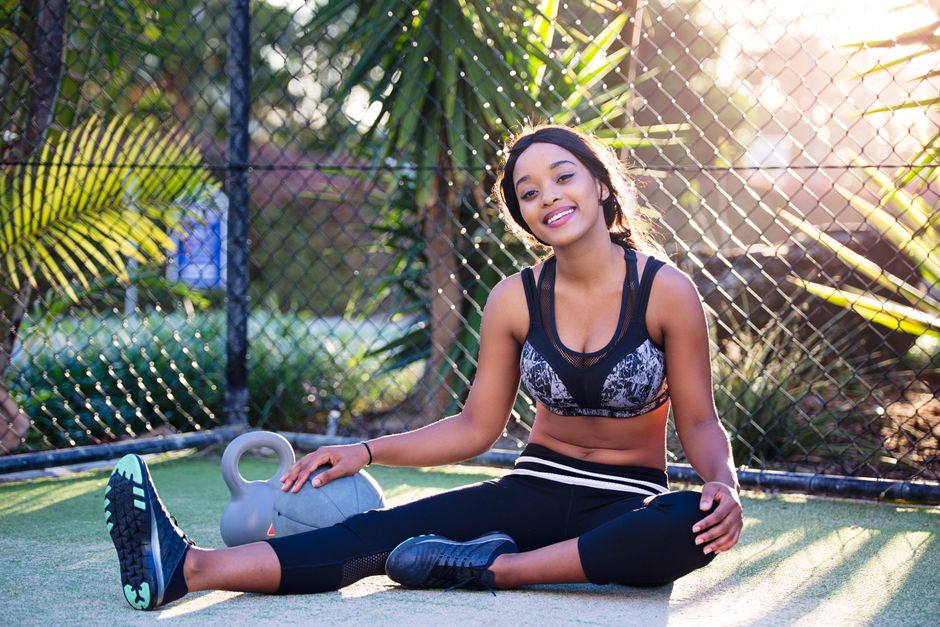
Townsville's fitness landscape has transformed dramatically over the past three years, with investment in modern training facilities putting the city firmly on the map as a genuine sports destination. The expansion reflects broader shifts in how locals approach health and wellness, with gym membership rates rising 34 per cent since 2023 according to industry data.
The opening of purpose-built strength and conditioning facilities along Flinders Street has been particularly significant. These venues cater to everything from Olympic lifting to functional fitness, with membership costs ranging from $18 to $35 weekly. More notably, several facilities now offer sport-specific programming—power development for rugby league players, agility work for football codes, and endurance protocols for distance runners.
But it's not just downtown where infrastructure improvements matter. In suburbs like Aitkenvale and Kirwan, local councils have invested heavily in upgrading public facilities. The Townsville Regional Aquatic Centre on The Strand remains crucial for swimmers and triathletes, while newly renovated outdoor training grounds across Garbutt and South Townsville provide free or low-cost access to serious athletes unable to afford premium memberships.
The growth has created genuine competition. Boutique studios focusing on yoga, CrossFit, and functional training have emerged alongside traditional gyms, forcing established operators to innovate. Several venues now offer integrated coaching from qualified strength and conditioning professionals—something rarely available five years ago. Monthly personalised training packages range from $200 to $400, reflecting increased demand among athletes serious about performance gains.
What's particularly encouraging is accessibility beyond the premium end. The North Queensland Strength and Conditioning Collective, operating from warehouse spaces near Cranbrook, charges significantly less while maintaining quality coaching. This tiered approach means serious trainees at all income levels can access decent infrastructure.
Challenges remain. Peak-hour congestion at popular facilities still frustrates members, and some suburban areas lack adequate strength training equipment. Recovery infrastructure—proper ice baths, sauna facilities, and massage services—remains underdeveloped compared to major southern cities.
Still, the trajectory is clear. Townsville now supports over forty dedicated fitness venues, compared to fewer than fifteen a decade ago. This infrastructure investment isn't vanity; it's enabling local athletes to train at standards competitive with anywhere in Australia. For a city building its sporting reputation, that matters enormously.
This article was compiled by AI from the sources linked above and screened before publishing. See our editorial standards.