Townsville Council Signals Major Shift on Density and Design RulesUpdated
Proposed planning amendments could open the door to more units and higher-density housing in key growth zones like Idalia and Bohle Plains.
Proposed planning amendments could open the door to more units and higher-density housing in key growth zones like Idalia and Bohle Plains.
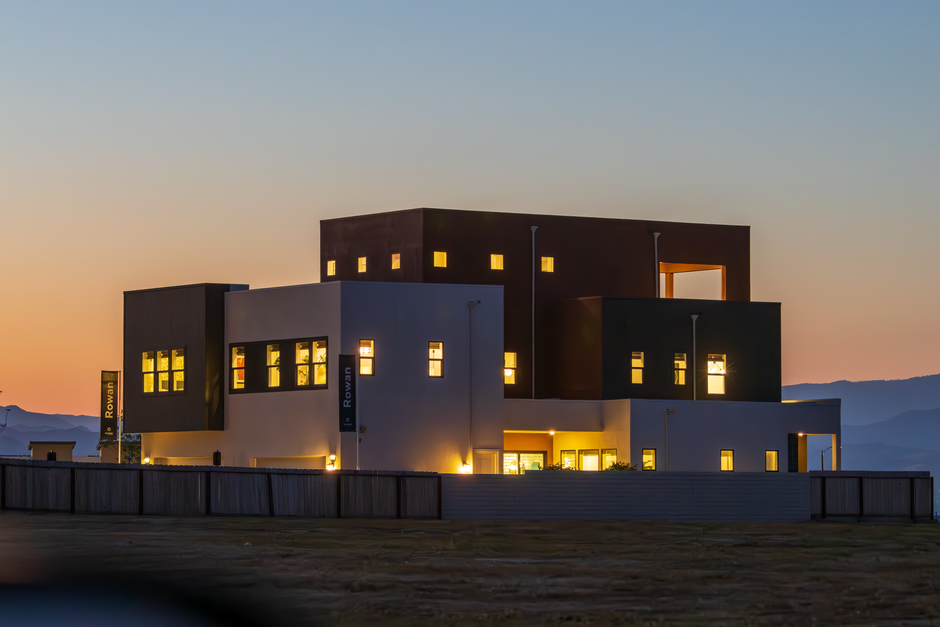
Developers in Townsville will soon face a dramatically different set of planning rules, following a series of draft changes tabled by the City Council this week. The new measures could pave the way for more townhouses and low-rise apartments across established suburbs, especially along residential corridors near Ross River Road and the Northern Beaches arteries.
The push to revise Townsville’s city plan comes as both rental and purchase demand ramps up, driven by a mix of military families posted to Lavarack Barracks, university students around Douglas, and investors attracted by the city’s relatively affordable median house price of $392,000, according to recent figures published by the Queensland Valuer-General. Recent setbacks in southern capitals, including a retreat from auctions by Melbourne sellers, have put the spotlight on Townsville’s resilience and higher yields-still exceeding 6% on most two-bedroom units.
The proposed changes focus on council-controlled matters like minimum block sizes, building heights, setbacks, and parking requirements. In practice, this could allow dual-occupancy builds in suburbs like Idalia, where many 600sqm blocks were previously zoned strictly for detached dwellings, and higher-density mixed-use projects along Charters Towers Road and inside the North Ward precinct. These tweaks are expected to benefit hospital workers at the Townsville University Hospital and Defence families in Annandale, both of whom have struggled to find modern, well-located rentals under current rules.
Evidence of pressure for change has been mounting for months. Urban development applications jumped 18% in 2025, according to Townsville City Council’s planning division. One major application-a four-storey residential complex on Freshwater Drive, Bohle Plains-proposed 56 units tailored to singles and young couples. "That’s exactly the kind of infill Council wants to see more of, provided it fits the new design principles around landscaping and car access," a senior planning source said. Despite the city’s affordable pricing, many private builders and investors say the old rules made it hard to get feasible returns on anything but detached homes, especially in established neighbourhoods.
The new guidelines will steer developments to include more green space, enhance walkability near Ross River, and mandate solar readiness. A pilot project in Garbutt’s Ingham Road corridor will test streamlined approvals for two-storey duplexes on lots as small as 300sqm-one of the tightest controls in the city’s history.
Townsville’s current vacancy rates have hovered around 0.9% since February, placing additional heat on both renters and buyers. "We just can’t keep up with the demand for inner-suburb rentals," a property manager at Explore Property Townsville said. Meanwhile, Land Supply Monitor figures show 910 lots registered for development in 2025, but less than a third approved for multi-dwelling builds. This shortfall is expected to ease if the new planning scheme is adopted in October.
Residents and builders will have two months to comment publicly on the changes, with public forums set for the Thuringowa Library and the City Council chambers on Walker Street through late July. If the plan is signed off by State Government assessors, homebuyers eyeing growth corridors like Burdell and Hermit Park could soon see a wider range of property options come to market. For anyone considering a new build or investment, now’s the time to review zoning maps and keep watch on application deadlines-because Townsville’s housing shape may be very different by this time next year.
About this article
Published by The Daily Townsville
Spread the word
Newsletter