Townsville Investor Yields Heat Up: What the Numbers Reveal in 2026Updated
Gross rental yields topping 6.5% are drawing a new wave of property investors to North Queensland's largest city, and the data shows the run may have further to go.
Gross rental yields topping 6.5% are drawing a new wave of property investors to North Queensland's largest city, and the data shows the run may have further to go.
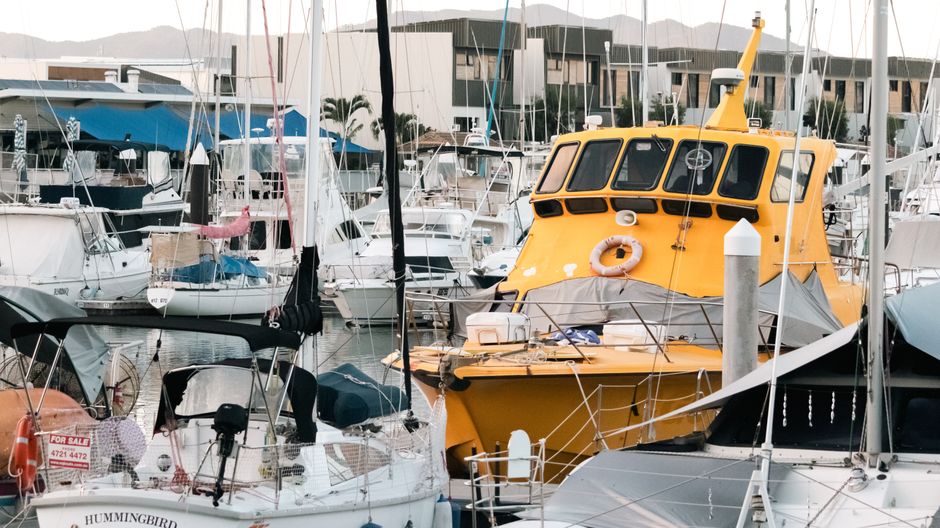
Townsville is delivering rental yields that most Sydney or Melbourne landlords can only read about with envy. Across the city's established suburbs, gross yields are sitting between 6.2% and 7.1% as of the June 2026 quarter — figures that put the north Queensland market firmly ahead of every southern capital and in the same conversation as Rockhampton and Cairns for pure return on investment.
The timing matters. Interest rates have eased twice since February, but borrowing costs remain high enough that cash-flow-positive properties are no longer a given in most Australian cities. Investors who got burned chasing capital growth in Brisbane's inner ring or Melbourne's middle suburbs are now running the numbers on markets where rent actually covers the mortgage — and Townsville keeps appearing at the top of those spreadsheets.
The strongest numbers are concentrated in a handful of suburbs that have benefited from a tight rental vacancy rate — sitting at just 1.2% across greater Townsville as of May 2026, according to figures tracked by the Real Estate Institute of Queensland. Bohle Plains, in the city's north, is drawing consistent attention. Three-bedroom houses there are changing hands for between $410,000 and $440,000, while weekly rents have pushed through $520. That pencils out to a gross yield of roughly 6.7% before expenses — a result that would have seemed optimistic five years ago.
Idalia, the established suburb bordering the Townsville City Golf Course on Richmond Hill Road, is showing similar momentum. Median sale prices there nudged $455,000 in the June quarter, yet well-maintained rental properties are pulling $580 to $610 per week, squeezing yields close to 7%. Agents working the suburb report that investor inquiries, particularly from southeast Queensland buyers operating through buyers' advocates, have roughly doubled since January compared with the same period in 2025.
The military factor is real and sustained. With the 3rd Brigade headquartered at Lavarack Barracks on boundary Road, Townsville carries a structural floor under rental demand that most regional cities lack. Defence Housing Australia manages a significant portfolio across the city, but private landlords continue to benefit from steady demand from service personnel and contractors who need short-to-medium term accommodation close to the base. Suburbs like Cranbrook, within five kilometres of the barracks, are holding vacancy rates below 1%.
The yield story is compelling, but investors going in eyes-wide-shut are missing important nuance. Insurance premiums in north Queensland remain a genuine drag on net returns — landlord insurance and building cover on a standard Townsville home can run $3,500 to $5,000 annually, depending on the suburb's flood or cyclone risk classification. That shaves somewhere between 0.5% and 0.8% off gross yield figures before you get to property management fees, which typically run at 8.5% to 9.5% of rent collected in this market.
Council rates through Townsville City Council are also higher per property than the southeast Queensland average, adding roughly $2,800 to $3,200 per year to holding costs on a median-priced home. Net yields, when properly modelled, typically land 1.5 to 2 percentage points below the gross headline number — meaning that 6.8% gross becomes something closer to 5% net. Still strong by national standards, but worth calculating carefully before settlement.
The Queensland Government's ongoing investment in the Townsville Ring Road stage five project and the planned expansion of the Port of Townsville are providing the kind of long-term economic signals that tend to underpin property markets rather than spike them briefly. Infrastructure spending creates jobs, jobs create population growth, and population growth tightens the rental market further.
For investors doing their homework now, the practical advice is straightforward: focus on properties built after 2000 to limit maintenance exposure, budget conservatively on insurance, and engage a local property manager with a verified rent roll rather than attempting remote self-management from Brisbane or Sydney. The numbers in Townsville are genuinely attractive in mid-2026 — but they reward preparation, not impulse.
About this article
Published by The Daily Townsville
Spread the word
Newsletter