How Much Rent Is Too Much? The 30% Rule in PracticeUpdated
Townsville renters are being squeezed harder than the numbers suggest, and the old threshold that's supposed to protect them is looking increasingly fragile.
Townsville renters are being squeezed harder than the numbers suggest, and the old threshold that's supposed to protect them is looking increasingly fragile.
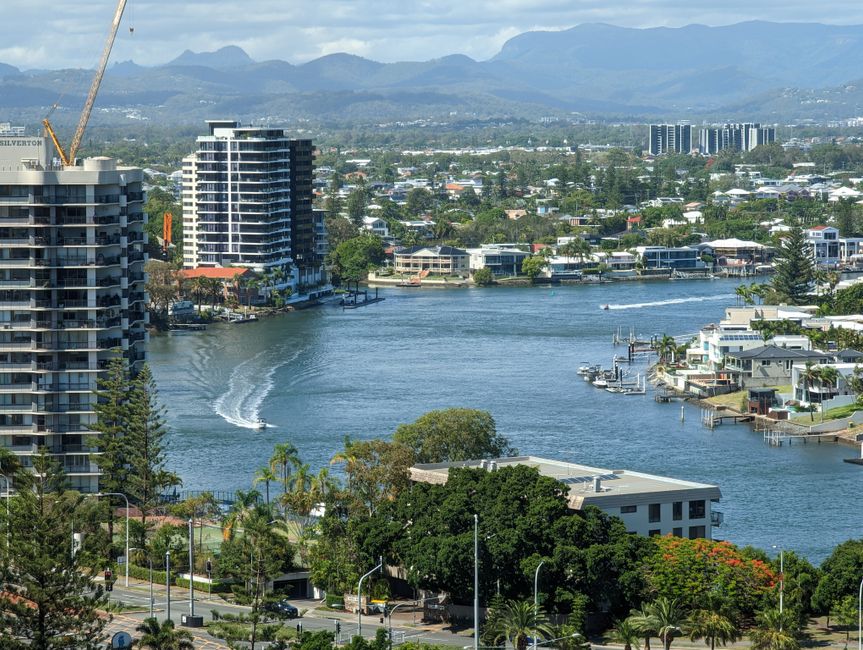
A Townsville household earning the city's median income and renting a standard three-bedroom house in Idalia is now spending close to 32 cents of every dollar earned on rent alone. That single figure — two percentage points above the widely cited affordability threshold — sits at the heart of a debate playing out at kitchen tables, property management offices and Queensland Treasury briefings right across the state.
The 30% rule has been a fixture of housing policy since the 1980s. Spend less than 30% of your gross household income on housing and you're considered financially stable. Spend more and you're classified as housing-stressed. It sounds clean. In practice, for a growing number of North Queensland renters, it's a line that gets crossed the moment a lease renewal lands in the letterbox.
Why does it matter right now? Queensland's stamp duty burden has climbed sharply over the past two years as property values rose, pricing out a segment of would-be buyers who might otherwise have made the transition from renting to ownership. With the purchase pathway narrowed, more households are staying in the rental pool longer, pushing vacancy rates down and weekly rents up. The Royal Queensland Institute of Technology's housing research unit put Townsville's rental vacancy rate at approximately 1.2% in its June 2026 quarterly report — well below the 3% level economists consider balanced.
Run the numbers on a two-income household in Bohle Plains — a suburb that has absorbed considerable population growth off the back of the Townsville Ring Road upgrade and new residential releases along Rooney Street — and the picture sharpens. Combined take-home pay of roughly $105,000 a year, which is realistic for two workers at median North Queensland wages, allows $625 per week in rent before hitting the 30% ceiling. The median asking rent for a three-bedroom home in Bohle Plains currently sits at $560 to $580 per week, according to listings data from July 2026. That household just scrapes under the threshold. Remove one income — illness, parental leave, redundancy — and the same property immediately becomes unaffordable by definition.
Across town in Idalia, where the streetscape along Angus Smith Drive skews toward newer builds and families drawn by proximity to Lavarack Barracks, rents have nudged higher. Three-bedroom properties there are advertising at $590 to $620 per week, reflecting the sustained demand from Australian Defence Force personnel posted to the 3rd Brigade. Defence Housing Australia manages a significant portion of that stock, but private rental demand from contract workers and families who don't qualify for DHA tenancy fills in the gaps — and competes directly with civilian renters.
Here's the complication the 30% rule doesn't fully address: buying isn't necessarily cheaper right now. Queensland's median property price is tracking around $390,000, but entry-level homes in the suburbs where renters actually want to live — near schools on Harveys Range Road, near the Stockland Townsville shopping centre, near the Townsville University Hospital precinct — are listing closer to $430,000 to $460,000. On a 6.2% standard variable mortgage rate with a 10% deposit, the monthly repayment on a $414,000 loan lands at roughly $2,540, or about $586 per week. That's almost exactly what the same family would pay in rent. The difference is the $46,000 deposit and the stamp duty, which on a $460,000 Queensland purchase adds another $14,375 to the upfront cost.
For households already stretched to the 30% line in rent, accumulating that kind of cash while paying market rents is a mathematical problem with no quick solution. Tenants Queensland, which operates a North Queensland advice service out of Townsville's CBD, has reported a 19% increase in financial hardship inquiries in the first half of 2026 compared to the same period last year.
The practical advice from financial counsellors at Anglicare NQ is blunt: households spending above 30% on rent should treat it as a trigger — not a sustainable state. That means auditing non-housing expenses immediately, investigating the Queensland RentConnect program for transitional housing assistance, and getting a pre-approval before the next lease renewal forces the issue. Waiting for the market to soften is not a strategy the numbers currently support.
About this article
Published by The Daily Townsville
Spread the word
Newsletter