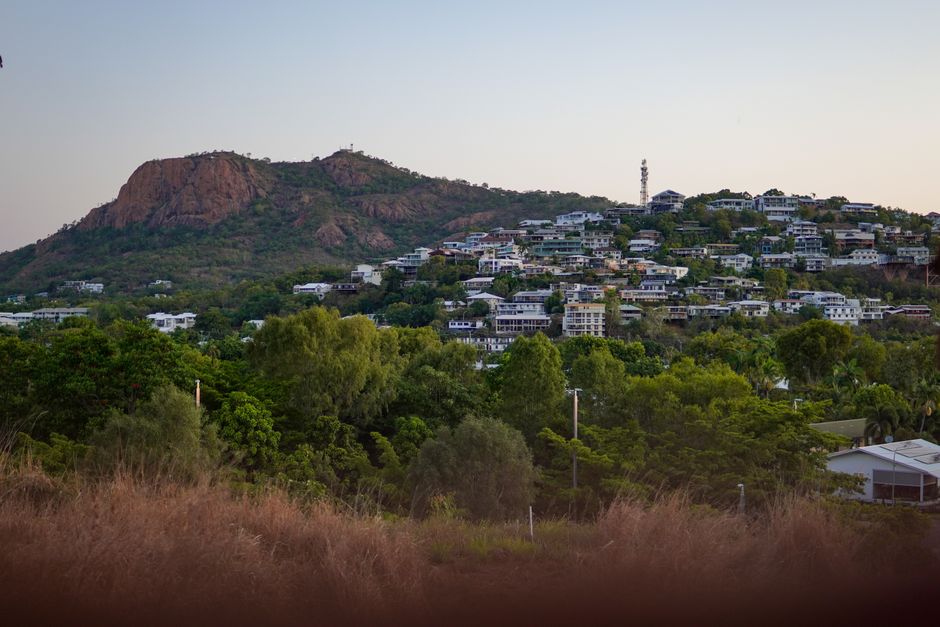
Townsville's property boom has reached a critical juncture. With the Queensland median sitting around $390,000 and investor yields exceeding 6%, developers are circling growth corridors like Bohle Plains and Idalia. Yet not everyone is celebrating the cranes and construction sites reshaping the city's skyline.
Recent planning applications for medium-density housing and commercial precincts have sparked genuine community friction—the kind that fills council chambers and divides neighbours. Understanding the tension requires listening to both perspectives.
Developers and pro-development advocates argue Townsville needs housing density to remain affordable and competitive. With military families, Defence Force personnel, and young professionals relocating here, supply pressures are real. A three-bedroom house in established suburbs now regularly exceeds $600,000—pricing out first-time buyers despite Queensland's comparative affordability.
"New developments near transport corridors and shopping precincts like those proposed near Garbutt and Mysterton create local employment and rate revenue," planners note. Townsville City Council has zoned growth areas specifically to accommodate this; rejecting projects in designated precincts defeats strategic planning.
The Preservation Concern
Community groups, however, cite congestion, infrastructure strain, and character loss. Schools already at capacity, local roads buckling under traffic, and the disappearance of green space from suburbs like Townsville's inner west are tangible frustrations. Residents who bought into quieter neighbourhoods now face six-storey developments across the street.
"We're not anti-growth," resident advocates explain, "but growth without infrastructure investment feels like a free-for-all. Where's the simultaneous investment in roads, water, schools?"
The Middle Ground
The tension isn't actually black and white. Most residents accept development; they object to unmanaged development. Calls for stronger planning conditions—green space requirements, traffic impact assessments, affordable housing contributions—suggest compromise is possible.
Some developers already embrace this. Projects incorporating community spaces, parking solutions, and phased timelines report smoother approvals and less opposition.
What's Next
Townsville's challenge mirrors others nationwide: growing affordably without losing liveability. The city's median price advantage won't last if infrastructure and amenity can't keep pace with housing supply. Conversely, preserving charm while pricing out young families solves nothing.
The answer likely lies not in choosing sides, but in demanding that both—growth and sustainability—happen simultaneously. Developers building here should see robust infrastructure investment as a precondition, not an afterthought. And residents should distinguish between legitimate concerns and NIMBY reflexes.
That dialogue is messy. It's also essential.
This article was compiled by AI from the sources linked above and screened before publishing. See our editorial standards.