How Much Rent Is Too Much? The 30% Rule in PracticeUpdated
As Townsville rents climb, financial experts warn renters are increasingly breaching the golden affordability threshold—and it's forcing tough choices about where families can actually live.
As Townsville rents climb, financial experts warn renters are increasingly breaching the golden affordability threshold—and it's forcing tough choices about where families can actually live.
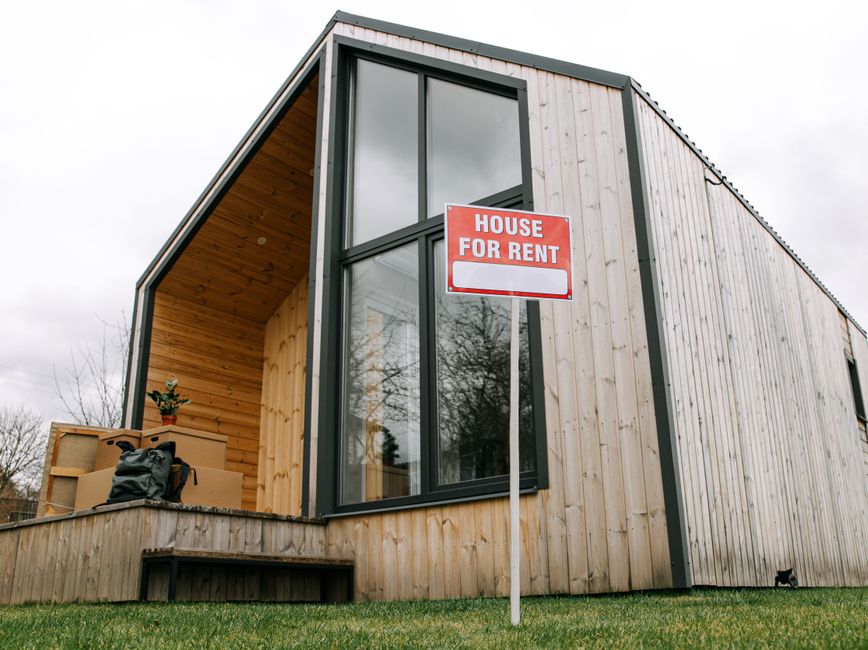
The rule is simple: spend no more than 30% of your gross household income on rent. In theory, it protects renters from financial stress and keeps homeownership within reach. In practice, Townsville renters are discovering the rule is becoming more fiction than financial gospel.
Consider a modest local scenario. A dual-income family earning $90,000 annually should spend roughly $2,250 monthly on rent. Yet a three-bedroom home in sought-after suburbs like Idalia or Bohle Plains now commands $2,400–$2,700 per month. A two-bedroom unit near the CBD edges toward $1,900. For single-income households or those earning the Queensland median, the math deteriorates faster.
"We're seeing tenants stretched beyond the 30% threshold consistently," says Sarah Chen, community advocate at Townsville Community Legal Centre on Sturt Street. "Families are choosing between adequate housing and groceries. It's not theoretical—it's happening now."
The affordability squeeze reflects broader Townsville dynamics. The region's median house price hovers near $390,000, but rental demand has intensified. Military families posted to RAAF Base Townsville, essential workers, and young professionals competing for limited stock have created upward pressure on rents. Meanwhile, investor yields exceeding 6% have attracted property purchases aimed at the rental market rather than owner-occupation.
Breaking the 30% rule doesn't happen by accident. Renters face genuine constraints: Townsville's rental vacancy rate remains historically tight, particularly for family-sized properties. Moving further out to suburbs like Fairfield or Condon can reduce rent by $300–$400 monthly, but introduces transport costs and commute times that offset savings. It's a cruel calculus with no clean answer.
For those contemplating ownership, rental stress paradoxically worsens the barrier. A household paying 40% of income toward rent struggles to save a deposit, let alone service a mortgage—even with Townsville's relatively accessible entry prices. The rental trap becomes self-perpetuating.
Financial advisors suggest three practical steps: audit non-negotiable expenses ruthlessly, explore co-housing arrangements with friends or extended family, and honestly assess whether moving inland or further north—Ayr, Home Hill—aligns with work. Some tenants find success through employer housing schemes or community organisations offering subsidised accommodation.
The 30% rule remains aspirational for many Townsville renters. Until supply catches demand or wages accelerate, the gap between the rule and reality will likely widen. Policymakers, developers, and advocates increasingly recognise this isn't a personal finance problem—it's a community issue requiring structural solutions.
This article was compiled by AI from the sources linked above and screened before publishing. See our editorial standards.
About this article
Published by The Daily Townsville
Spread the word
Newsletter