NDIS Housing Investment Townsville: GuideUpdated
Discover how Townsville investors earn stable NDIS-backed returns through disability accommodation. Long-term leases, inflation indexing, and government-backed security explained.
Discover how Townsville investors earn stable NDIS-backed returns through disability accommodation. Long-term leases, inflation indexing, and government-backed security explained.
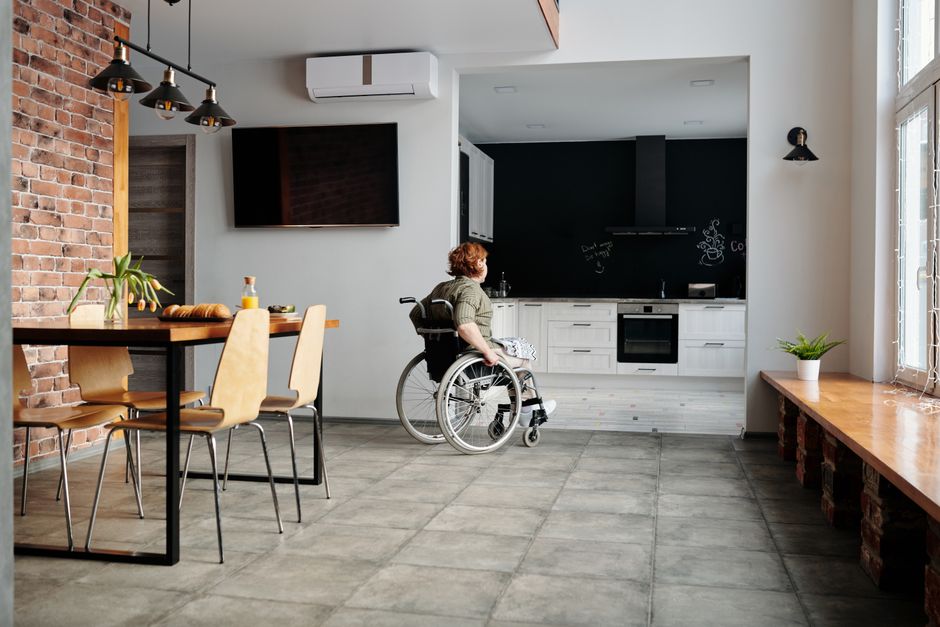
For Townsville property investors seeking alternatives to a softening residential market, disability housing backed by the National Disability Insurance Scheme represents a genuinely different asset class. Unlike traditional rentals, NDIS-funded accommodation offers long-term lease security, inflation-indexed income, and a sector insulated from typical market cycles.
The mechanics are straightforward: investors purchase or renovate properties—typically 2–4 bedroom homes in suburbs like Bohle Plains, Idalia, or Kirwan—then lease them to Specialist Disability Accommodation (SDA) providers. Those providers house NDIS participants and pay rent directly from participant budgets. The Queensland median of $390,000 makes entry feasible for mid-range investors; a modest renovation in Idalia could position a property to yield 6–8 per cent annually, competitive with Townsville's broader investor yield profile of 6 per cent-plus.
The NDIS itself is non-partisan, legislated policy. Demand for accommodation is acute: an estimated 25,000 Queenslanders with complex support needs require SDA but cannot access it. For investors, that translates to virtually zero vacancy risk and indexed rent reviews. A property leased at $400 per week today will rise with inflation annually—a structural advantage over conventional tenancies.
Townsville's demographic and geographic profile enhances appeal. The city's military population, large families, and healthcare sector create natural pools of NDIS participants. Proximity to James Cook University and regional hospitals also attracts support workers, reinforcing the labour supply chain essential to SDA viability.
Due diligence matters. Not every property suits SDA—council approvals, accessibility standards, and proximity to transport are prerequisites. Working with established SDA providers (rather than individual tenants) reduces administrative burden and ensures professional property management. Legal structures, tax treatment, and depreciation schedules should be reviewed with a qualified accountant; the sector has its own nuances.
The downside: liquidity is lower than typical residential stock, and exit timelines can be longer. SDA isn't a quick flip. But for investors with capital and a 10–15 year horizon, the combination of government backing, indexed income, and acute social need creates a rare convergence of financial return and purpose.
Townsville agents and accountants are increasingly fielding NDIS inquiries. For those sceptical of headline-grabbing markets, disability housing remains quietly resilient—and largely overlooked by retail investors chasing headlines.
This article was compiled by AI from the sources linked above and screened before publishing. See our editorial standards.
About this article
Published by The Daily Townsville
Spread the word
Newsletter