New apartment tower: what it means for the local market
A 24-storey mixed-use development approved for central Townsville is set to reshape supply dynamics and investor appetite across the city.
A 24-storey mixed-use development approved for central Townsville is set to reshape supply dynamics and investor appetite across the city.
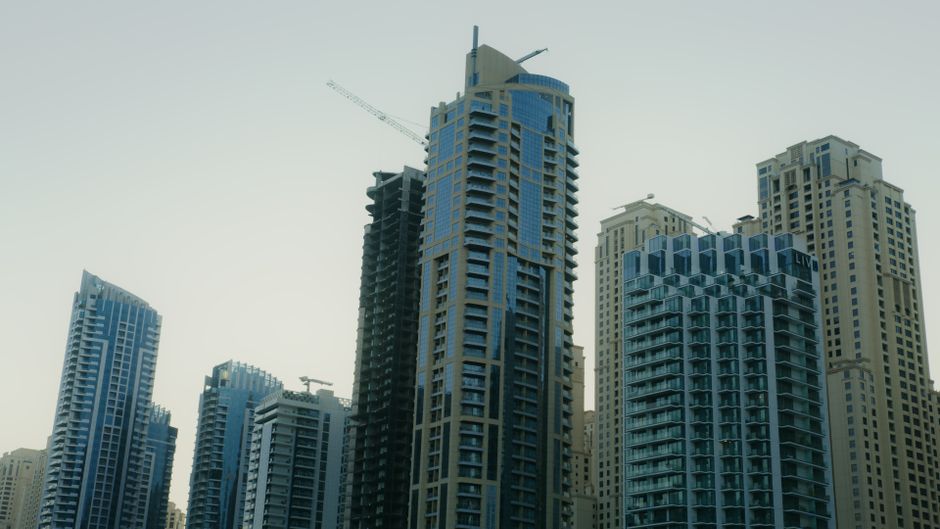
Planning approval for a $180 million apartment tower on Flinders Street signals a turning point for Townsville's residential market, one that will ripple through both the investor yield sector and the first home buyer space over the next three years.
The 24-storey development—comprising 340 apartments, ground-floor retail, and 450 car bays—received final approval from the Townsville City Council last month. Early marketing suggests unit sizes ranging from one-bedroom studios ($285,000–$310,000) to three-bedroom layouts ($420,000–$465,000), sitting comfortably within Queensland's median of $390,000 but offering inner-city walkability that suburban Bohle Plains and Idalia developments typically cannot match.
For investors, the project arrives at a critical moment. Townsville's rental yield currently hovers around 6.2 per cent—well above the national average—but that premium has been sustained partly by tight supply in the CBD and immediate surrounds. A single tower releasing 340 units over 24 months will ease rental scarcity and likely compress yields by 0.3 to 0.5 percentage points, according to preliminary market analysis. That matters when comparing against established growth suburbs: investors may now favour the predictable 6 per cent returns of established Idalia townhouses over speculative yield plays in the CBD.
For owner-occupiers, the news is mixed. First home buyers will gain access to modern, well-appointed apartments minutes from the waterfront, Ross Creek, and the CBD's expanding hospitality precinct. However, the tower's release will compete directly with the detached house market in outer-ring suburbs like Bohle Plains, where median prices remain $340,000–$365,000. The psychological shift towards apartment living—particularly among younger professionals—could cool demand for quarter-acre blocks further west, potentially stabilising prices in those areas.
The broader market signal is one of density and urban renewal. Townsville's post-pandemic growth has been driven largely by affordable outer-suburbs and defence-sector employment stability. This tower repositions the CBD as a genuine lifestyle and investment destination, not merely a commercial hub. Council has indicated two further mixed-use projects are in the planning pipeline for Sturt Street and Palmer Street, suggesting a coordinated strategy to densify and activate the city centre.
For the next 18 months, expect market volatility. Early-bird apartment buyers will likely secure value, while investors hedging on yield compression may accelerate purchases in established suburbs. By 2028, once the tower reaches occupation, Townsville's property profile will have shifted materially—less a sprawling affordability story, more a mixed-density city with genuine urban amenity.
This article was compiled by AI from the sources linked above and screened before publishing. See our editorial standards.
About this article
Published by The Daily Townsville
Spread the word
Newsletter