Townsville 2026: Why This Market Recovery Looks Nothing Like the 2021 Boom
Five years after the pandemic-fuelled rush, our city's property market is steadier, smarter, and built on fundamentals—not speculation.
Five years after the pandemic-fuelled rush, our city's property market is steadier, smarter, and built on fundamentals—not speculation.
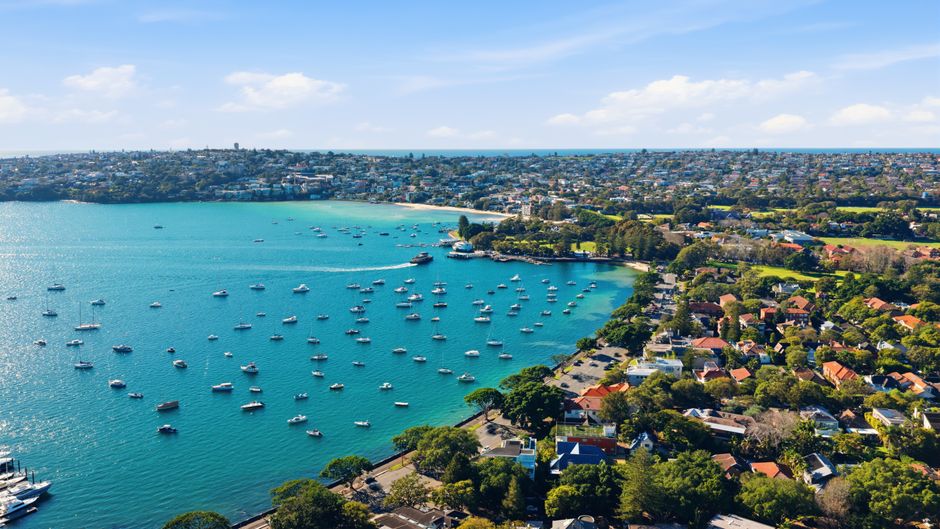
Townsville's property market is climbing again, but don't mistake today's momentum for the frenzied days of 2021. Back then, median prices surged past $420,000 on the back of interstate migration, ultra-low rates, and what felt like everyone buying simultaneously. Today, at a regional median hovering near $390,000, the recovery is quieter, more selective, and—crucially—more sustainable.
The 2021 cycle was driven by panic. Sydneysiders and Melburnians fled capitals, lured by Townsville's tropical appeal and affordable entry points. Military families transferred in, investors chased yields above 6 per cent, and suburbs like Bohle Plains and Idalia saw bidding wars on every street corner. Castle Hill, Mundingburra, and the northern beaches suburbs became household names across southern property pages. It felt infinite.
It wasn't. By 2023, momentum stalled. Migration slowed, rates climbed, and reality reset expectations. Properties that sold for $485,000 in 2021 struggled to fetch $440,000 by 2024. Over-leveraged investors felt the pinch. First-home buyers—already squeezed by rising mortgage stress—stepped back entirely.
What's different now, in mid-2026, is the buyer profile. This isn't migration-driven or speculation-fuelled. Instead, we're seeing genuine local demand: young families settling in, established investors recognising our 6 per cent-plus yields, and interstate purchasers making calculated decisions rather than emotional ones. The James Cook University sector, the ADF presence at Lavarack Barracks, and ongoing infrastructure investment—the Port expansion, Bruce Highway upgrades—are creating real, structural demand.
Suburbs like Currajong and Garbutt, which peaked and plateaued five years ago, are now attracting renovators and small developers again. Conversely, fringe suburbs that boomed in 2021 are consolidating rather than soaring. It's a market finding its true level.
Interest rates have stabilised. The RBA's patient approach means borrowing costs won't trigger another panic sell-off, nor will rate cuts spark another boom-bust cycle. First-home buyer schemes, both state and federal, are actively shaping demand rather than passive migration doing the heavy lifting.
The lesson from comparing 2026 to 2021 is simple: Townsville's market is maturing. We're no longer the speculative play or the pandemic escape valve. We're becoming what we always should have been—an affordable, liveable regional centre with genuine economic drivers and patient capital. That's not as headline-grabbing as a 15 per cent annual surge, but it's far more valuable.
This article was compiled by AI from the sources linked above and screened before publishing. See our editorial standards.
About this article
Published by The Daily Townsville
Spread the word
Newsletter