Rising Waters, Rising Concerns: How Climate Risk Is Reshaping Townsville Buyer Priorities
As flood maps and cyclone data influence purchasing decisions more than ever, savvy buyers are moving beyond price tags to assess long-term climate exposure.
As flood maps and cyclone data influence purchasing decisions more than ever, savvy buyers are moving beyond price tags to assess long-term climate exposure.
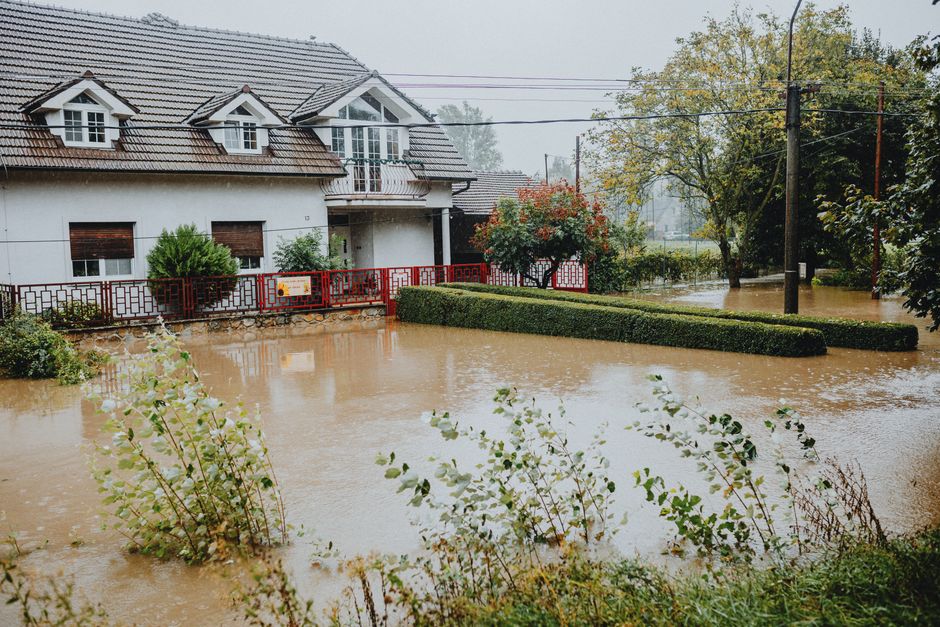
For decades, Townsville property buyers fixated on one metric: the asking price. Today, a second map is equally important—the flood risk map.
Climate considerations are no longer a niche concern for environmentally conscious purchasers. Real estate agents across the city report that first-home buyers, young families, and investors now routinely ask about cyclone exposure, storm surge vulnerability, and historical inundation patterns before committing to suburbs like Idalia or Bohle Plains.
The shift reflects a maturing market. With Queensland's median sitting around $390,000 and Townsville offering some of Australia's most accessible entry points, buyers have choices—and they're using data to make them. "I'm seeing clients rule out properties in low-lying areas near the Bohle River entirely," says one local agent. "Ten years ago, that conversation didn't happen."
The data backs this. Properties in elevated suburbs like Mysterton and Kirwan, traditionally priced at modest premiums, are seeing renewed demand. Meanwhile, pockets of Garbutt and South Townsville—closer to coastal flood plains—face subtle but measurable headwinds in resale confidence, even as headline prices remain stable.
Insurance costs amplify the trend. Rising premiums for homes in high-risk zones directly erode investment yields, which already sit at competitive 6%+ across the region. A property in a cyclone-prone pocket that yields 6.5% gross becomes less attractive when insurance, maintenance after weather events, and potential underinsurance gaps are factored in.
Mortgage lenders are watching too. While not yet formally restricting finance in climate-exposed areas, banks increasingly request detailed risk assessments. This quiet gatekeeping will likely accelerate buyer caution.
The irony isn't lost on developers. Growth suburbs like Idalia and Bohle Plains attract younger families precisely because of affordability and proximity to services—schools, parks, employment. Yet developers now invest in stormwater infrastructure and elevation planning as core selling points, not afterthoughts.
Local council data shows flood-mapping requests have tripled in two years. Real estate searches increasingly filter by suburb elevation and historical event records.
For Townsville's property landscape, this represents a genuine reset. The market isn't crashing, but it's reclassifying. Climate resilience is becoming a primary asset class, not a secondary concern. Buyers asking the hard questions today aren't being cautious—they're being rational.
The next five years will reveal which suburbs hold value best. Climate data suggests the answer won't surprise anyone paying attention.
This article was compiled by AI from the sources linked above and screened before publishing. See our editorial standards.
About this article
Published by The Daily Townsville
Spread the word
Newsletter