Holiday rental vs long-term lease: what nets more for Townsville investorsUpdated
With yields above 6%, Townsville's rental market is booming—but choosing between Airbnb-style returns and stable tenancies requires careful maths.
With yields above 6%, Townsville's rental market is booming—but choosing between Airbnb-style returns and stable tenancies requires careful maths.
Townsville's investor market is firing on all cylinders. With Queensland's median sitting around $390,000 and local yields consistently above 6 per cent, savvy property buyers are weighing up which rental strategy delivers the best returns: the volatility of holiday lets or the security of long-term leases.
The numbers tell a compelling but nuanced story. A three-bedroom house in Bohle Plains—currently tracking around $420,000 to $450,000—could generate $80 to $90 per night through platforms like Airbnb during peak season (April to October). That's $24,000 to $27,000 annually if occupancy hits 70 per cent, translating to a gross yield of roughly 5.3 to 6 per cent. But that's before cleaning, platform fees (15–20 per cent), maintenance, and the unpredictability of shoulder seasons.
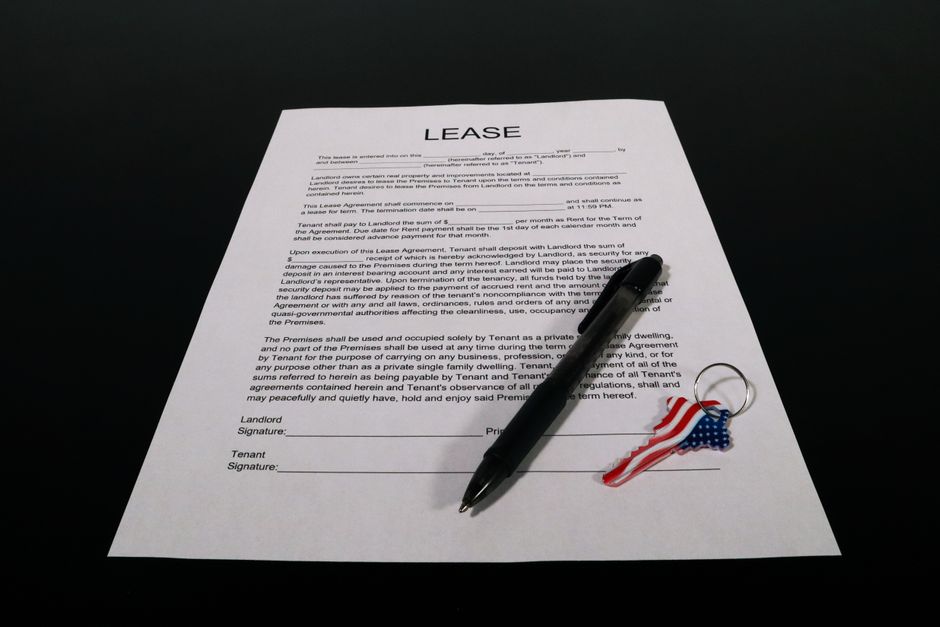
Long-term leases paint a different picture. The same property, leased to a single tenant through an agent, would command $380 to $420 per week—or $19,760 to $21,840 annually. That's a steady 4.4 to 4.9 per cent yield. Lower than holiday lets appear on paper, but with far fewer moving parts: one reliable tenant, consistent income, minimal turnover costs, and tax-deductible expenses that compound annually.
Location matters enormously in Townsville. Properties near Strand Park or in the sought-after Idalia precinct—where military and defence sector demand remains strong—see steadier long-term leasing interest. Holiday rentals thrive closer to the waterfront or in trendy East Townsville, where tourists and visiting workers are willing to pay premium nightly rates.
Accountant-backed analysis reveals the hidden truth: holiday rental owners often underestimate wear-and-tear costs. Servicing multiple guests monthly versus one household annually can inflate maintenance by 30 to 40 per cent. Insurance premiums are steeper too; holiday rental policies cost significantly more than standard landlord cover.
The verdict depends on your risk tolerance and time commitment. Holiday rentals suit investors with reserves, active management capacity, and appetite for seasonal swings. Long-term leases favour buy-and-hold investors seeking passive income and capital growth—especially in Townsville's expanding outer suburbs like Bohle Plains and Idalia, where 6 per cent yields remain accessible.
For most Townsville investors, a blended approach works best: secure a long-term tenant as your baseline income, then holiday-let during school holidays and peak tourism months. That cushions volatility while capturing seasonal premiums.
The reef may draw tourists, but Townsville's investor fundamentals—affordability, military stability, and consistent demand—make either strategy viable. Choose the one that matches your lifestyle, not just the spreadsheet.
This article was compiled by AI from the sources linked above and screened before publishing. See our editorial standards.
About this article
Published by The Daily Townsville
Spread the word
Newsletter