Townsville Faces Water Shortage, Job Losses, Record Heat by Mid-2026Updated
From water security to defence employment and a record heat signal creeping north, the forces reshaping Townsville right now are landing directly in residents' daily lives.
From water security to defence employment and a record heat signal creeping north, the forces reshaping Townsville right now are landing directly in residents' daily lives.
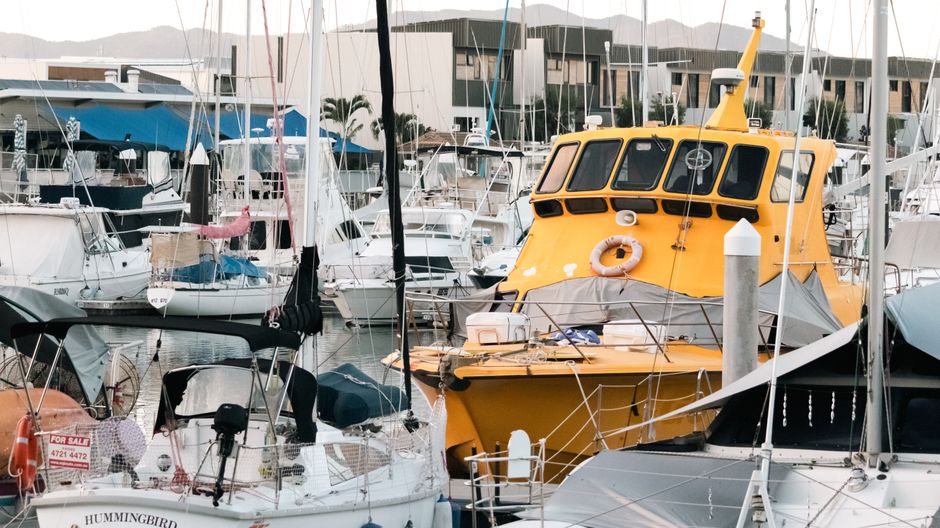
Ross River Dam is sitting at 68 percent capacity this week — down from 81 percent at the same point last year — and the Townsville City Council's water security team is watching the figure closely as the dry season grinds on with above-average temperatures. That number matters because the dam, which supplies roughly 230,000 residents across the city, draws down faster when households run evaporative cooling and garden irrigation through warmer-than-usual winters. Council officers confirmed this week that Stage 1 water restrictions remain in place, capping lawn watering to two days per week, and stressed that the threshold for moving to Stage 2 — at 60 percent storage — is closer than it has been since 2019.
The timing is not coincidental. Sydney just recorded its hottest June since records began in 1859, and climate scientists have been explicit that these anomalies are not isolated southern events. The Bureau of Meteorology's Townsville office logged the city's mean minimum temperature for June 2026 at 16.4 degrees Celsius, 1.8 degrees above the long-term average. That sustained warmth accelerates evaporation from the dam's surface catchment at Hervey Range Road, compounding the drawdown from household use. For families in Suburb Hill, Mundingburra and the northern growth corridors around Bohle, the practical upshot is a higher water bill if they do not adjust their usage habits now.
The other dominant story in Townsville right now is the economic weight of Lavarack Barracks and RAAF Base Townsville. The two facilities account for an estimated 8,500 direct and indirect jobs in the region, according to the 2025 North Queensland Economic Outlook report published by the Townsville Enterprise Limited. A federal budget allocation confirmed in May 2026 set aside $340 million over four years to upgrade key infrastructure at Lavarack, including hardened vehicle storage and expanded logistics facilities along Hervey Range Road. Construction contracts for the first stage are expected to be awarded before the end of September.
That injection of money is welcome, but it is tightening an already strained rental market. The Real Estate Institute of Queensland's June 2026 data showed Townsville's median weekly rent for a three-bedroom house reached $490, up from $430 twelve months ago — a 14 percent jump. Vacancy rates across Annandale, Kirwan and Idalia have dropped below 1.2 percent. Community housing provider Community Housing Limited (CHL), which manages more than 900 tenancies in the greater Townsville area, has warned that wait times for social housing placements are now averaging 18 months, up from 11 months in mid-2024. Pacific Islander families, who make up a significant share of the city's west-side communities around Garbutt and Mount Louisa, are disproportionately represented on that waitlist.
The hydrogen hub ambitions that Townsville City Council and the Queensland state government have championed since 2023 remain alive, though slower than boosters had hoped. Sun Cable's revised financing timeline, announced in April, has pushed the first commercial hydrogen export from the proposed Port of Townsville facility to 2030 at the earliest. That delay matters to local trades and engineering firms who had been factoring construction work into their forward order books. Some contractors on Stuart Drive have already shifted capacity toward the Lavarack infrastructure contracts to fill the gap.
On water, the council's Taps and Toilets rebate program — offering up to $200 back on certified water-efficient fixtures purchased before 30 September 2026 — is currently underutilised, with only 1,140 applications received against a target of 3,500. The program is administered through council's customer service centre on Walker Street. Residents in areas supplied by the Haughton Pipeline Stage 2 route, due for commissioning in late 2027, should not assume that project eliminates near-term pressure; the dam remains the primary source until that pipeline is fully operational.
On housing, anyone on the CHL waitlist is advised to contact Tenants Queensland's Townsville office on Flinders Street to confirm their position and explore crisis accommodation options through the Department of Housing's Homelessness Prevention Fund, which was topped up with $12 million in the June 2026 Queensland budget. The First Nations treaty consultation process, currently holding community sessions at the Townsville Aboriginal and Islander Health Service on Kings Road, is also gathering submissions on housing equity — community members have until 31 August to lodge written input.
About this article
Published by The Daily Townsville
Spread the word
Newsletter