Townsville Tackles Years of Digital Archive ChaosUpdated
Underfunded record-keeping across council and community groups has created duplicate archives. The city now faces a costly cleanup.
Underfunded record-keeping across council and community groups has created duplicate archives. The city now faces a costly cleanup.
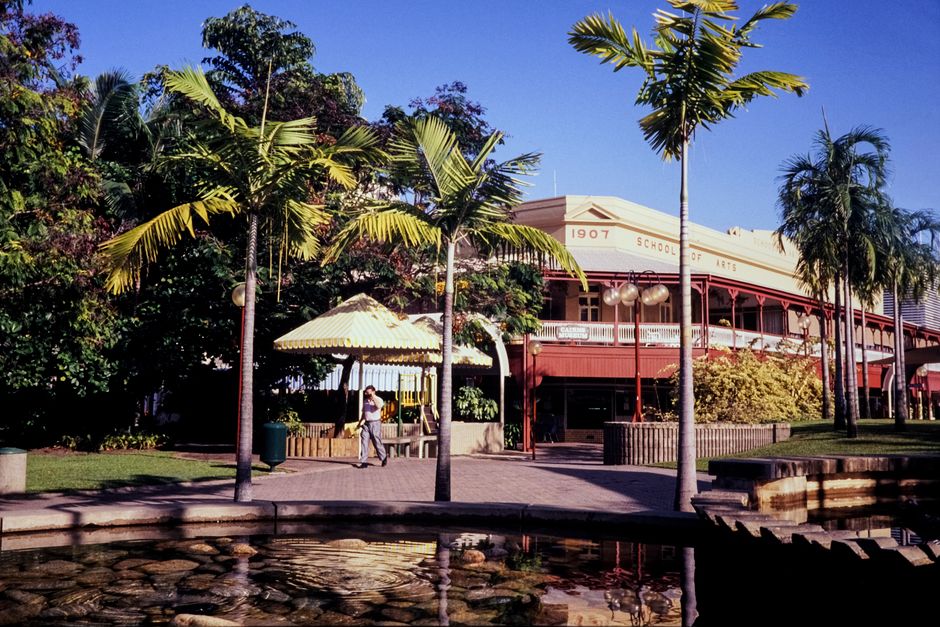
Townsville City Council confirmed this week it is undertaking a formal duplicate image replacement audit across its public-facing digital platforms, a project triggered by an accumulation of redundant and conflicting photograph records stretching back more than a decade. The audit covers council's own website, the tourism portal managed through the Townsville Enterprise hub on Flinders Street, and several grant-funded community history archives held at the North Queensland branch of the State Library.
The timing is not accidental. Queensland's broader push to digitise public records ahead of the 2032 Brisbane Olympic build-up has forced local governments to confront storage and metadata problems they have long deferred. For Townsville, those problems are acute. The 2019 monsoon flooding damaged or destroyed physical holdings at multiple sites, including the Townsville Museum and Cultural Centre precinct near the CBD, and the emergency digitisation efforts that followed were conducted under enormous pressure and with inconsistent naming conventions. The result: thousands of image files with duplicate content but different file names, inconsistent geotags, and in some cases conflicting captions that describe the same photograph differently across different platforms.
The road to this audit was paved with budget decisions that prioritised urgent infrastructure over digital housekeeping. Between 2019 and 2023, the council's IT and records management budget was repeatedly redirected to flood resilience works, including upgrades to the Ross River Dam monitoring network and stormwater infrastructure along Bamford Lane and Hugh Street in Mundingburra. Digital asset management — cataloguing, de-duplication, metadata standardisation — was treated as a background function that could wait.
Community organisations felt the same squeeze. The Townsville Aboriginal and Islander Health Service, which has maintained photographic records of community events and health campaigns for years, flagged the duplicate problem to Council as far back as 2022 when it attempted to contribute imagery to a joint First Nations treaty-process awareness project. Staff discovered the same photographs were already held in at least two separate council-managed repositories under different file identifiers, with no clear record of original provenance or licensing.
Defence-linked organisations added another layer of complexity. James Cook University's community engagement office, based on the Douglas campus, worked with the Lavarack Barracks public affairs unit on several collaborative archive projects during the early 2020s. Images produced through those projects were deposited into both JCU's institutional repository and the council's tourism library — again, without unified metadata. When the tourism library was migrated to a new content management system in late 2024, automated import tools created a third set of duplicate records.
The current project is expected to run through September 2026. Council has engaged a Queensland-based digital asset management contractor to cross-reference records across at least four platforms. The process involves perceptual hashing — a technique that identifies visually identical or near-identical images regardless of file name or format — followed by manual review for culturally sensitive material, particularly anything involving First Nations community members, where consent and cultural protocols govern how images can be stored and displayed.
Townsville Enterprise, which manages tourism marketing and draws on the shared image library for campaigns promoting destinations including The Strand foreshore, Castle Hill, and the ferry precinct at Breakwater Marina, has said it expects some disruption to its content pipeline while the audit proceeds. The organisation manages a library of several thousand images used across digital advertising, social media, and visitor guides.
For residents and community groups, the practical advice from council is straightforward: if you have donated photographs to any council-managed archive in the past five years, and you hold the original high-resolution files, hold on to them. Depending on how the audit resolves conflicting records, some donated images may need to be resubmitted with verified metadata before they can be republished. Council has indicated it will contact affected contributors directly, beginning with groups involved in the 2019 flood documentation project and the Pacific Island community cultural events series run through Townsville's Kirwan and Aitkenvale neighbourhoods. The process is overdue. The good news is it has finally started.
About this article
Published by The Daily Townsville
Spread the word
Newsletter