Townsville Officials Weigh In On Duplicate Image ReplacementUpdated
Experts and key figures share their thoughts on the emerging technology and its potential impact on the city
Experts and key figures share their thoughts on the emerging technology and its potential impact on the city
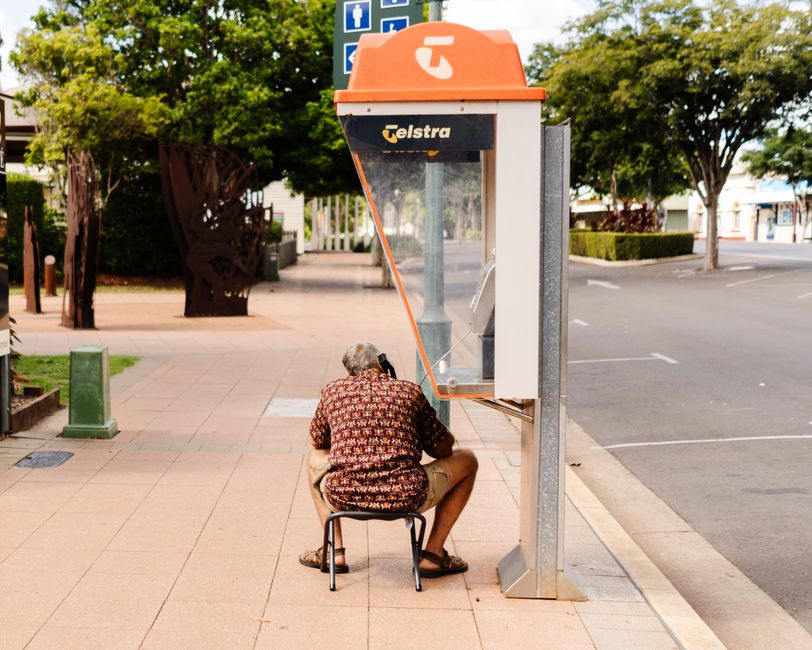
Townsville City Council has announced plans to explore the use of duplicate image replacement technology in its urban planning and development initiatives.
This move comes as the city continues to grow and evolve, with a focus on innovative solutions to manage its infrastructure and resources. The technology, which involves replacing duplicate images in digital systems to improve efficiency and reduce storage needs, has been gaining traction in various industries. In the context of Townsville, it could have significant implications for the city's data management and urban planning strategies, particularly in light of its hydrogen hub ambitions and the ongoing recovery efforts from the 2019 floods.
Locally, the technology could be applied in various settings, such as the Ross River Dam water security project, the RAAF Base, and the Army's Lavarack Barracks. For instance, the Townsville Hospital, located on Angus Smith Drive, could utilize duplicate image replacement to streamline its medical imaging processes, while the James Cook University, situated on Angus Smith Drive, could leverage the technology to enhance its research capabilities. Additionally, the technology could be integrated into the city's Pacific Island community affairs initiatives, such as the annual Pacific Islander Festival held at the Riverway Stadium.
According to data from the Australian Bureau of Statistics, the use of digital technologies in urban planning can lead to significant cost savings, with an average reduction of 15% in infrastructure costs. In Townsville, this could translate to savings of around $1.2 million per year, based on the city's current infrastructure expenditure of $8 million. Furthermore, a report by the Queensland Government's Department of State Development, Infrastructure and Planning found that the adoption of innovative technologies, such as duplicate image replacement, can increase the efficiency of urban planning processes by up to 30%. This could have a significant impact on the city's development projects, such as the $250 million redevelopment of the Townsville CBD.
In terms of what happens next, the Townsville City Council will be conducting a feasibility study to assess the potential benefits and challenges of implementing duplicate image replacement technology. The study, which is expected to be completed by the end of 2026, will provide valuable insights into the technology's potential applications and limitations. Residents and businesses can expect to see more information about the technology and its potential uses in the coming months, with opportunities for feedback and engagement through the council's website and community forums. As the city continues to explore innovative solutions to its urban planning challenges, duplicate image replacement technology is likely to play an increasingly important role in shaping the future of Townsville.
About this article
Published by The Daily Townsville
Spread the word
Newsletter