Townsville Council Removes Hundreds of Duplicate ImagesUpdated
A digital audit flags hundreds of duplicate images for removal from Council's public platforms, streamlining online services.
A digital audit flags hundreds of duplicate images for removal from Council's public platforms, streamlining online services.
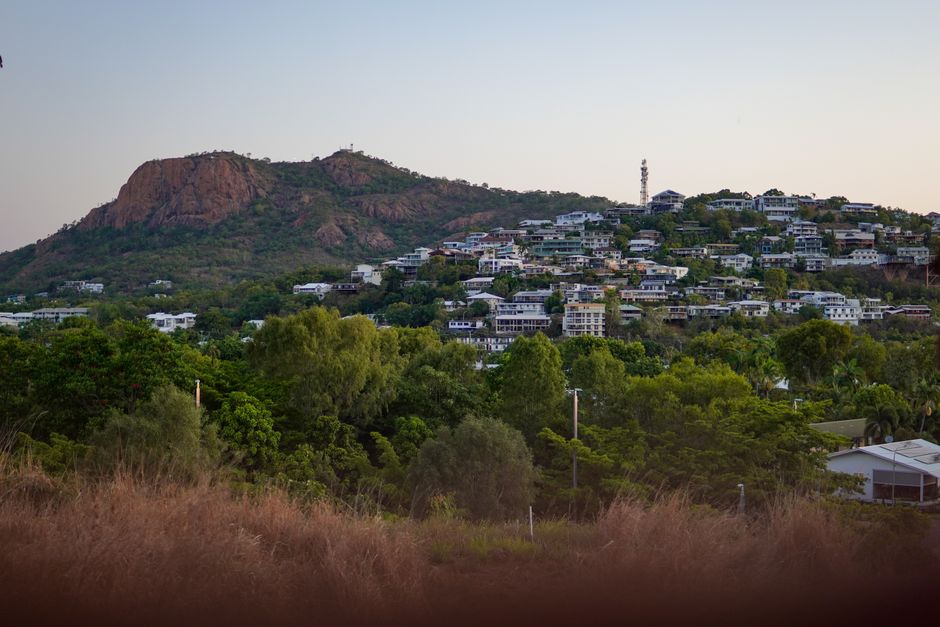
Townsville City Council confirmed this week that its internal digital asset management audit — targeting duplicate and redundant images across its website, community portals, and the Townsville.qld.gov.au planning database — has cleared more than 1,400 flagged files since the project formally kicked off in April 2026. The purge affects everything from duplicated flood resilience photography used in the 2019 recovery communications to outdated infrastructure shots of the Ross Dam precinct that had been uploaded multiple times under different filenames.
The timing matters because Council is midway through a broader digital infrastructure overhaul ahead of the 2027 Smart City transition. Bloated media libraries slow page-load times on public portals, create legal exposure around image licensing, and make it harder for Council staff to locate current, accurate photography — a real operational problem in a city where emergency communications and community messaging need to move quickly. Townsville's geography, with floodplain suburbs like Rosslea and Hermit Park routinely in the frame during weather events, means the image library is unusually large compared to similarly sized Queensland local governments.
The problem built quietly over years. Every major infrastructure announcement — from the Port of Townsville channel upgrade to the hydrogen hub feasibility work at the Bohle industrial precinct — generated its own batch of photography, often uploaded by multiple departments without a shared naming convention. The Council's communications team, based at Townsville City Council headquarters on Walker Street in the CBD, had no centralised deduplication tool until a software contract with a Brisbane-based records management firm was signed in March 2026 for approximately $180,000 over two years.
The audit found that roughly 18 percent of all images stored in the Council's content management system were either exact duplicates or near-identical variants — a proportion that, according to Queensland Digital Standards guidance published in 2024, sits above the state average for councils of comparable size. Files connected to RAAF Base Townsville events and Army-community liaison programs contributed a significant share of the redundant stock, given the volume of ceremonial and public engagement photography generated each year by the Defence community.
Libraries and cultural venues were also caught up in the sweep. The Townsville City Libraries network, which includes the Aitkenvale branch and the main CBD branch on Denham Street, maintains its own image archive for event promotion. Duplicate photography from programs run in partnership with local Pacific Island community groups and First Nations organisations — including materials linked to treaty process consultations — had accumulated across multiple folders, raising concerns about proper attribution and consent documentation for images used publicly.
If your community group, local business, or organisation has submitted photography to Council in the past three years for inclusion in newsletters, grant announcements, or event listings, it is worth checking whether your images were caught in the audit. Council's Digital Services team, reachable through the main Council customer service line at (07) 4727 9000, has been contacting affected parties where consent documentation was found to be incomplete or where duplicates were linked to identifiable individuals.
The practical upshot for residents is modest but real. Council's online planning portal — used heavily by developers and residents checking applications in suburbs like Kirwan, Idalia, and Mount Louisa — should load faster as the database slims down. Council has indicated the first phase of deletions will be complete by 31 August 2026, with a second audit phase covering video files scheduled for the September quarter.
For community organisations that regularly contribute imagery to Council-run platforms, digital services staff are recommending a single point-of-contact submission model going forward, with each image submission to include a completed consent form and a unique identifier tag. Templates are available through Council's community grants portal. Getting that paperwork right now will save organisations a headache when the next audit cycle begins — which, if the current timetable holds, will be sometime in early 2028.
About this article
Published by The Daily Townsville
Spread the word
Newsletter