news
Townsville Battles AI-Generated Images Flooding Government Databases
As AI-generated and duplicated imagery floods government portals, community platforms and flood-resilience databases, Townsville's councils and defence-linked agencies are scrambling to catch up, with mixed results.
How we reported this
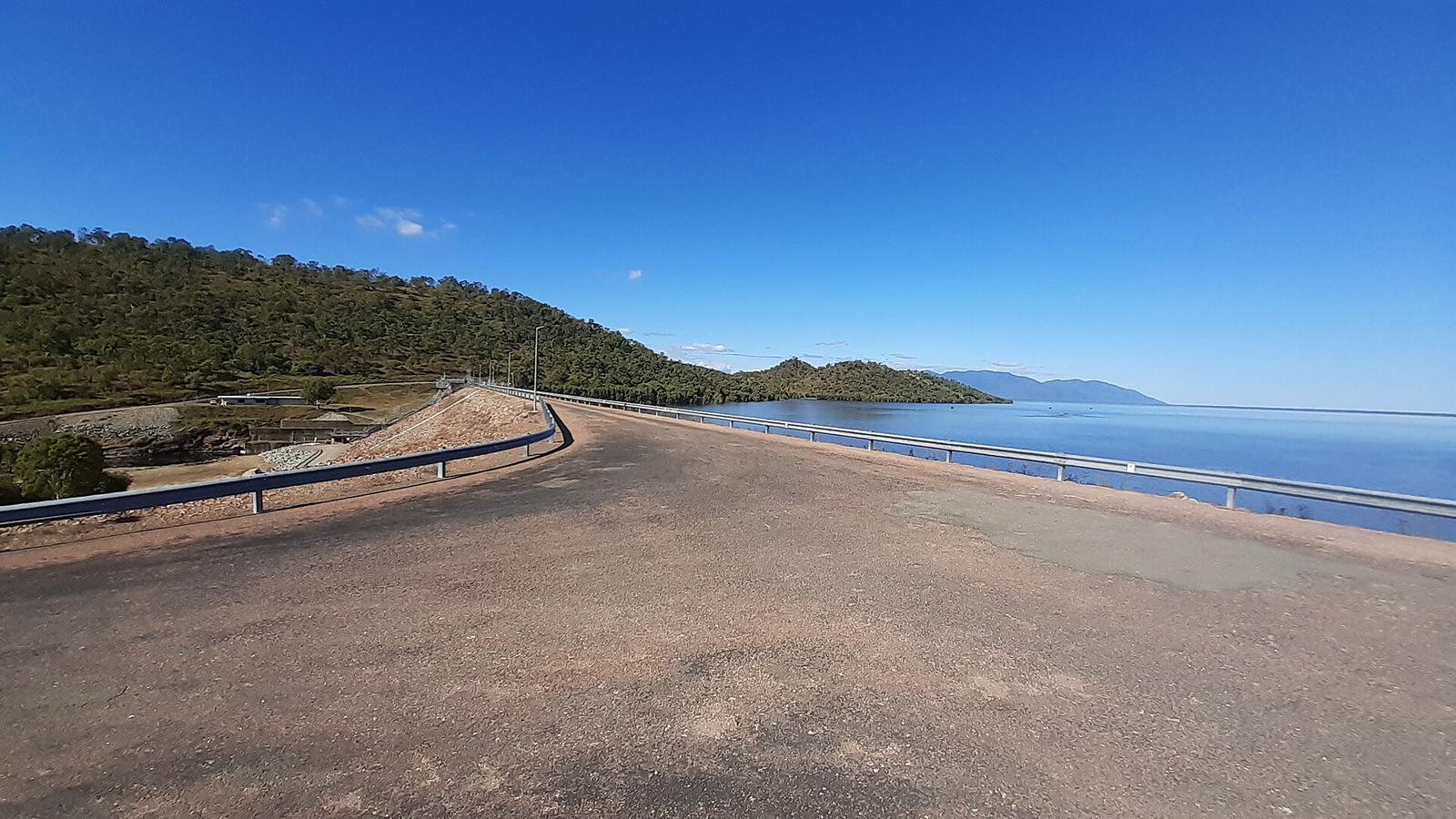
Townsville City Council confirmed this week that it is auditing digital asset libraries used across its public-facing planning and infrastructure portals, following a broader push by Queensland state agencies to purge duplicate and AI-generated imagery from official records. The audit covers databases tied to the 2019 flood recovery documentation program and the Ross River Dam water security communications archive, two collections that have grown substantially since 2020 and now contain thousands of individual image files.
The timing is not accidental. Across Australia and comparable mid-sized cities internationally, the proliferation of stock photography, AI-generated visuals and inadvertently duplicated assets inside public records systems has become a live administrative headache. Cities managing large post-disaster rebuilding portfolios, a category Townsville sits squarely in after the January 2019 flood event, which caused damage estimated at more than $1.3 billion across the region, are particularly exposed because their image libraries expanded rapidly under emergency timelines when verification standards were lower.
What Townsville Is Actually Doing
The Council's audit is being run through its Digital Infrastructure and Smart City unit, based at Townsville City Council's main administration building on Walker Street. The unit is working alongside the Townsville Local Disaster Management Group, which maintains its own photographic record of infrastructure damage and recovery progress stretching back to 2019. Both collections are being cross-referenced using deduplication software to flag images that appear in multiple records under different file names or metadata tags.
Separately, the North Queensland Bulk Water Opportunity Statement program, a Queensland Government initiative tied to the Hells Gates Dam proposal and broader water security planning, has flagged image integrity as part of a wider data-governance review expected to conclude before the end of the 2026 calendar year. The RAAF Base Townsville and Lavarack Barracks, which together form one of the largest defence precincts in northern Australia, operate their own closed image management systems and are not part of the Council audit, though defence public affairs offices nationally are understood to be reviewing similar policies.
Compare this to Darwin, a city of comparable size and defence footprint, where the Northern Territory Government completed a comparable image audit of its post-cyclone rebuilding records in late 2025 after a parliamentary committee raised concerns about duplicated before-and-after photographs being used in funding acquittal reports. Cairns, 350 kilometres to the north, has not yet announced a comparable process, though Cairns Regional Council did update its digital asset policy in March 2026 to require metadata verification on all images submitted with development applications.
The Global Benchmark
Globally, the benchmark being watched by Australian local government bodies is the work done by Christchurch City Council in New Zealand, which after its decade-long earthquake rebuild accumulated one of the most photographically documented post-disaster recovery archives in the southern hemisphere. Christchurch ran a systematic deduplication process across more than 400,000 images between 2023 and 2025, ultimately removing or consolidating roughly 18 percent of its archive, a figure that has become a working reference point for councils elsewhere planning similar exercises.
Townsville's archive is considerably smaller, but the Council's Digital Infrastructure unit has indicated the process is still expected to take several months given the need to manually verify images where automated tools return ambiguous results. The practical consequence for residents is minimal in the short term, the audit does not affect service delivery, but it carries longer-term significance for the hydrogen hub ambitions centred on the Port of Townsville, where accurate and verifiable visual documentation of site conditions will be essential for investors and environmental approvals.
For community members or organisations that have submitted photographs to Council programs, including the Neighbourhood Improvement Program operating across suburbs such as Kirwan, Annandale and Thuringowa Central, the Council's Digital Infrastructure unit has published guidance on its website advising submitters to retain original, unedited files in case verification is required. The audit is expected to produce a public summary report, with a draft scheduled for council consideration before the end of September 2026.