Townsville's Water Security: What Happens Next and the Key Decisions AheadUpdated
As the city's water storage levels continue to fluctuate, residents and stakeholders are eagerly awaiting the next steps in ensuring the region's water future.
As the city's water storage levels continue to fluctuate, residents and stakeholders are eagerly awaiting the next steps in ensuring the region's water future.
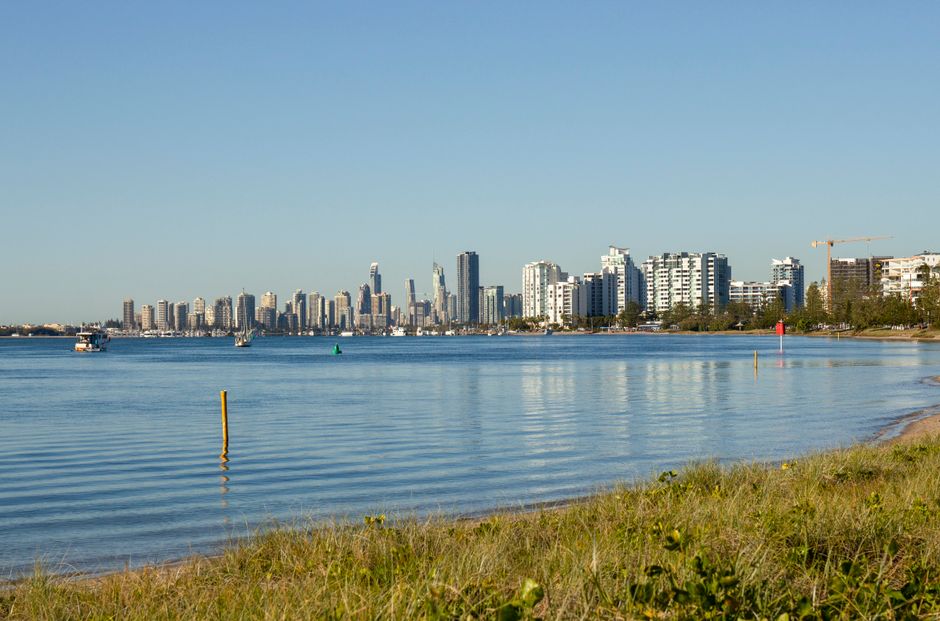
Townsville's Ross River Dam is currently at 64% capacity, a figure that has been steadily increasing over the past few months thanks to recent rainfall events.
The water security of Townsville is a pressing concern for the city's residents, businesses, and stakeholders. With the region's economy heavily reliant on the RAAF and Army base, as well as a growing hydrogen hub, a reliable water supply is essential for supporting these industries. Furthermore, the city's Pacific Island community and First Nations people are also closely watching the developments, given the significance of water to their cultural and traditional practices.
In Townsville, the suburbs of Annandale and Douglas are among the most affected by water restrictions, with residents and businesses in these areas having to adapt to strict guidelines on water usage. The Townsville City Council, in partnership with the Queensland Government, has implemented various initiatives to promote water conservation, including the Water Smart Townsville program, which provides incentives for residents to install rainwater tanks and greywater systems. The program has seen significant uptake, with over 1,500 households participating since its inception in 2020.
According to data from the Queensland Government's Department of Environment and Science, the average annual rainfall in Townsville is around 1,143mm, with the majority of this falling during the summer months. However, the city's water usage patterns show that the peak demand period is actually during the dry season, from May to October, when evaporation rates are highest. In 2022, the city's water treatment plants produced over 43 million litres of drinking water per day, with the Ross River Dam accounting for approximately 70% of this supply. The cost of water production and treatment is significant, with the Townsville City Council allocating over $15 million in its 2022-2023 budget for water infrastructure upgrades and maintenance.
As the city looks to the future, key decisions will need to be made regarding the management of the Ross River Dam, as well as the development of new water infrastructure. The Queensland Government has committed to investing $20 million in the Townsville Water Security Project, which aims to improve the efficiency and resilience of the city's water supply system. Residents and stakeholders will be eagerly awaiting the outcomes of this project, as well as the implementation of the Water Smart Townsville program, which is set to continue until 2025. With the city's water security hanging in the balance, the next 12-18 months will be crucial in determining the long-term sustainability of Townsville's water supply.
About this article
Published by The Daily Townsville
Spread the word
Newsletter