Townsville Transport Infrastructure: $2.8B PlanUpdated
New congestion data reveals Townsville's infrastructure gap. Peak-hour delays cost $187M annually. See how proposed transport projects could reshape commute times.
New congestion data reveals Townsville's infrastructure gap. Peak-hour delays cost $187M annually. See how proposed transport projects could reshape commute times.
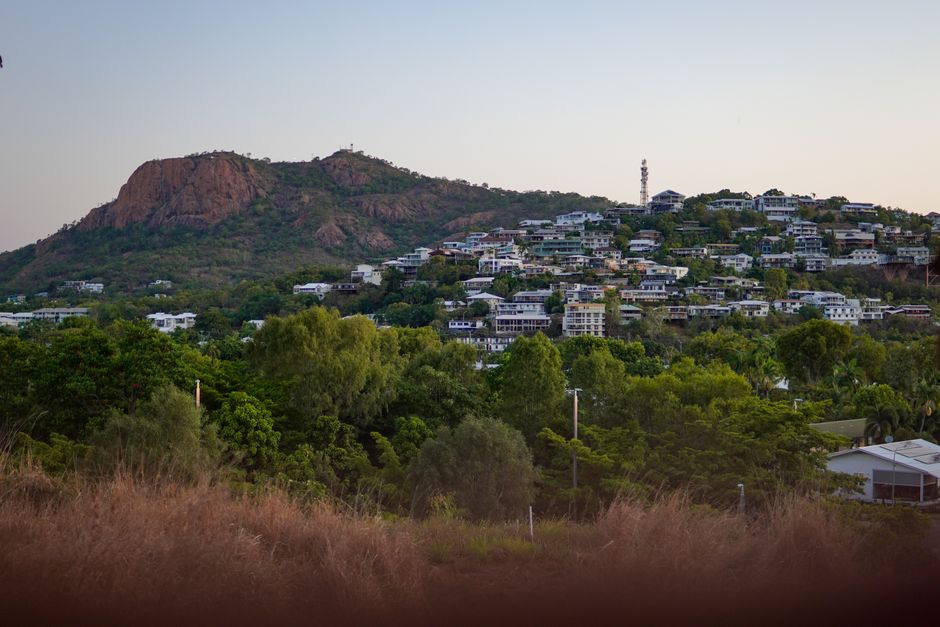
Townsville's infrastructure ambitions are quantifiable—and sobering. Transport modelling released this week reveals that peak-hour congestion on Flinders Street and the Stuart Highway corridor costs the local economy an estimated $187 million annually in lost productivity. For a city of 190,000 residents, that's $984 per capita annually tied up in gridlock alone.
The figures underpin why the proposed $2.8 billion transport masterplan has gained traction with state and federal planners. Congestion on the arterial routes linking the RAAF base at Garbutt, the Port of Townsville, and the CBD has grown 34% since 2019—outpacing population growth of just 8% over the same period. Average commute times from suburbs like Gulliver and Annandale to the CBD have stretched to 42 minutes during peak hours, compared to 28 minutes in 2015.
The data tells a second story about capacity. Current road infrastructure moves 62,000 vehicles daily through the Flinders Street-Bruce Highway junction. Engineering projections suggest this will reach 89,000 vehicles by 2031 at present growth rates. The proposed duplication of key sections would add 18,000 daily capacity, though at a cost of approximately $14.2 million per kilometre—a figure state transport authorities say reflects terrain, heritage overlays around the city's historic precinct, and Ross River crossing engineering complexity.
Rail remains underfunded in the conversation. The Townsville Intermodal Terminal, which opened in 2018, currently handles 12 container trains weekly. Modelling suggests this could reach 34 weekly services if track duplications between Stuart and the Port reach completion. That would represent 380% growth in rail freight movement and potentially remove 18,000 truck movements annually from city streets.
The numbers also expose who bears the cost. Greater Townsville residents contribute $156 million annually in registration and fuel levies—yet receive only $89 million in direct state transport funding. The gap, says the Local Government Association, reflects how regional infrastructure investment lags behind southeast Queensland cities of similar size.
Defence industry growth projections add weight to the case. Defence and aerospace currently contributes $3.2 billion annually to the Townsville economy. Infrastructure constraints risk capping that at $3.7 billion by 2035, analysts warn, unless transport connections improve. The message from the data is clear: every year of delay costs measurable billions.
This article was compiled by AI and screened before publishing. See our editorial standards.
About this article
Published by The Daily Townsville
Spread the word
Newsletter