Townsville Post-Disaster Recovery: 7 Years OnUpdated
How Townsville's recovery from 2019 floods compares globally. Council balances infrastructure repair with hydrogen ambitions while managing rate rises.
How Townsville's recovery from 2019 floods compares globally. Council balances infrastructure repair with hydrogen ambitions while managing rate rises.
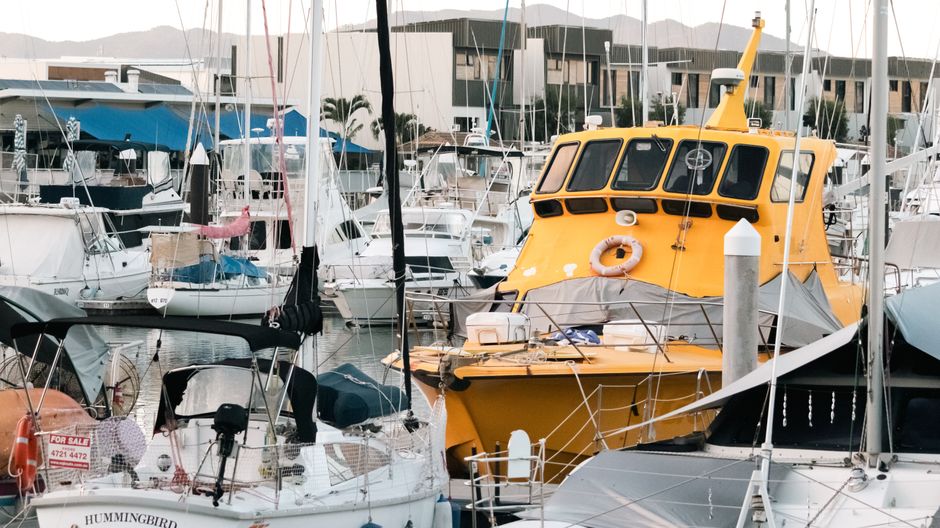
Townsville's approach to post-disaster governance is drawing quiet international attention, with the city's recovery trajectory comparing favourably to similar regional centres grappling with climate resilience and economic transition.
Seven years after the 2019 floods inundated suburbs from Aitkenvale to South Townsville, the council has maintained a dual focus: completing critical infrastructure repairs while positioning the city as a hydrogen production hub. This balancing act mirrors challenges faced by flood-affected municipalities in Germany's Rhineland-Palatinate region and Australia's peers like Lismore, but Townsville's military and defence economic anchor—the RAAF and Army base—has provided a stabilising factor absent in many comparable cities.
The recent rate rises averaging 4.2 per cent have proven contentious among residents on The Strand and West End, yet comparative analysis shows Townsville's cumulative rate increases since 2019 remain below those imposed by Cairns and Mackay councils managing similar recovery expenditure. Council's capital works program, centred on restoring water security at Ross River Dam and upgrading Flinders Street's stormwater systems, reflects a strategic focus on prevention rather than perpetual reaction.
Internationally, cities like New Orleans and Rotterdam have pioneered integrated water management and community co-design models that Townsville is selectively adopting. The council's engagement with Pacific Island communities—particularly regarding climate migration and settlement services—positions it ahead of many Australian regional centres in proactive demographic planning. Yet transparency advocates note the city lags peers like Adelaide in publishing detailed climate adaptation metrics and fiscal forecasting.
The hydrogen hub ambition, if realised, would differentiate Townsville from flood-recovery narratives that have dominated Lismore's governance agenda. Economic diversification beyond defence procurement represents a calculated bet—one that cities in Germany's Ruhr Valley successfully navigated during industrial transition, though with substantially greater government co-investment.
Challenges remain acute. Youth employment in post-secondary sectors still lags Queensland averages. Housing affordability, while better than coastal capitals, has deteriorated sharply since 2023. And council's First Nations treaty engagement, while formally underway, is being monitored closely by indigenous governance advocates observing outcomes in comparable jurisdictions.
What distinguishes Townsville's governance response is pragmatism without complacency. Unlike some regional councils that retreated into austerity or speculative development, this administration has maintained infrastructure standards while experimenting with emerging sectors. Whether this proves sufficient depends on execution—and on federal and state support for projects like hydrogen infrastructure that no regional council can fund alone.
This article was compiled by AI and screened before publishing. See our editorial standards.
About this article
Published by The Daily Townsville
Spread the word
Newsletter