Townsville Schools Infrastructure: Critical Investment Needed
Education leaders warn Townsville schools need urgent infrastructure investment as student enrolment grows 15-20% across Rosslea, Mysterton and Thuringowa suburbs.
Education leaders warn Townsville schools need urgent infrastructure investment as student enrolment grows 15-20% across Rosslea, Mysterton and Thuringowa suburbs.
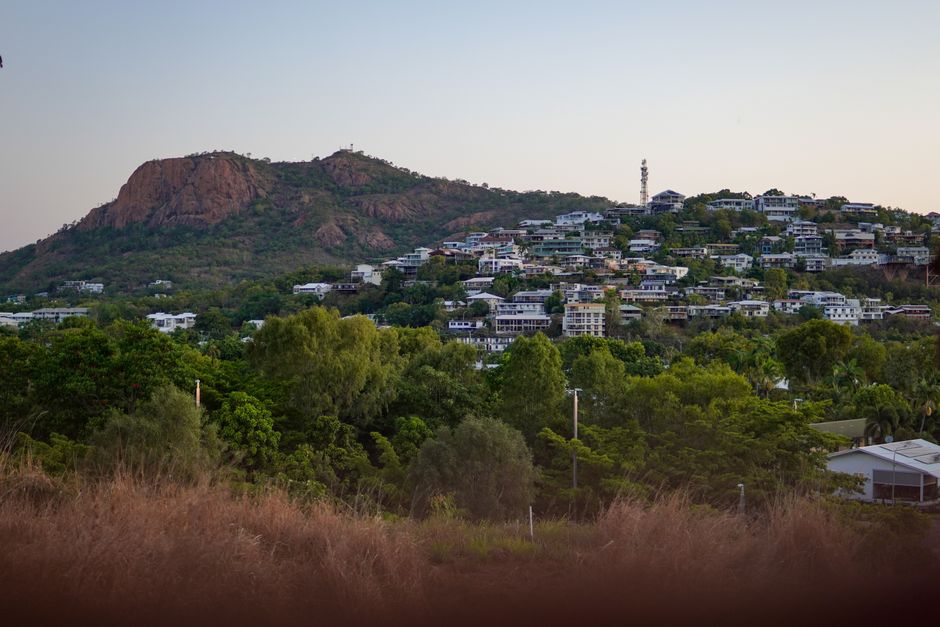
Education officials and experts have issued a stark warning about Townsville's schooling infrastructure, describing the coming decade as a "critical moment" for the region's ability to accommodate rising enrolments without compromising learning outcomes.
The assessment comes as the Townsville region continues to attract defence personnel, families relocating for hydrogen industry opportunities, and workers rebuilding after the 2019 flood recovery. Enrolment data across primary and secondary campuses in suburbs including Rosslea, Mysterton, and Thuringowa has climbed steadily, with some schools reporting 15–20 per cent growth over five years.
Key voices in Queensland's Department of Education and local school leadership have emphasised the need for state and federal collaboration. While specific investment commitments remain under discussion, officials have flagged that existing facilities along streets such as Sturt Street and Blackwood Street are operating near or at capacity during peak hours. One focus area is the ability to attract and retain qualified educators, particularly in science, technology, and mathematics disciplines—fields increasingly critical as Townsville positions itself as a hydrogen and clean energy hub.
James Cook University, based in Townsville, has also signalled its role in workforce development. The institution has outlined plans to strengthen pathways from secondary education into vocational and tertiary study, particularly in fields aligned with defence, maritime industries, and emerging energy sectors. University representatives have stressed that schools must prepare students for both traditional career tracks and emerging opportunities linked to the RAAF and Army base presence.
Local principals and education advocates have called for greater coordination between Townsville City Council planning frameworks and education infrastructure rollouts. They argue that residential expansion in areas like Douglas and Wulguru should be matched by simultaneous school planning to avoid overcrowding.
The Queensland Teachers' Union has also weighed in, noting that workforce shortages and aging school infrastructure—particularly in regional Queensland—require investment beyond current budgeting cycles. Officials have acknowledged these concerns but stressed that funding decisions involve multiple tiers of government and longer-term strategic planning.
Townsville's education sector faces the dual challenge of managing growth while maintaining quality during a period of significant economic and demographic change. Education leaders say the window for proactive planning is narrowing, and decisions made over the next 12–18 months will shape the region's capacity to deliver world-class schooling for the next generation of students.
This article was compiled by AI and screened before publishing. See our editorial standards.
About this article
Published by The Daily Townsville
Spread the word
Newsletter