Migrant Families Transform Townsville: What New Residents Really Think
As migration patterns shift northward, newly settled residents across Townsville's suburbs share their hopes, challenges, and visions for the city's multicultural future.
As migration patterns shift northward, newly settled residents across Townsville's suburbs share their hopes, challenges, and visions for the city's multicultural future.
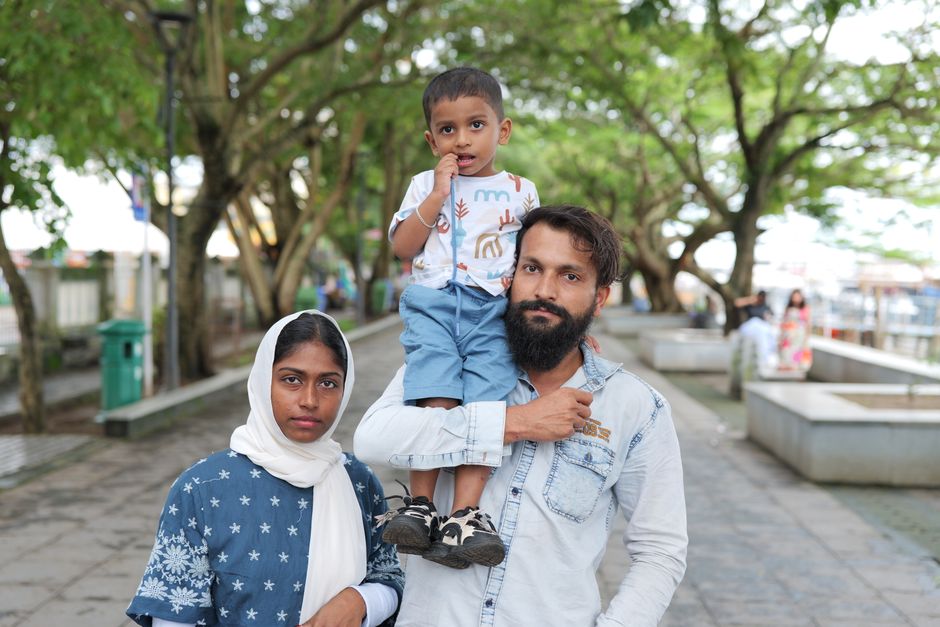
Townsville's demographic landscape is transforming, with migration services reporting a 34 per cent increase in settlement applications over the past 18 months. Yet behind the statistics lies a complex human story—one being lived daily across suburbs from Aitkenvale to Mysterton.
Recent arrivals are cautiously optimistic about their prospects. The region's defence sector stability, combined with lower housing costs compared to southern capitals, has attracted skilled workers from South Asia, the Pacific Islands, and Europe. A nurse from the Philippines, now working at Townsville Hospital, described the decision to settle here as "both brave and practical." Housing affordability remains a significant draw; median rental prices averaging $380 per week have made family relocation feasible for those unable to afford Brisbane or Cairns.
However, community voices reveal genuine barriers. Accessibility to culturally appropriate services around Sturt Street and Flinders Street remains patchy. Several newly arrived families expressed frustration about limited multilingual support in council services and healthcare settings, despite Townsville's growing linguistic diversity. "We want to contribute," one community leader noted, speaking on condition of anonymity. "But systems haven't caught up with our presence."
Employment pathways present another challenge. While the RAAF and Army base provide indirect economic stimulus, direct job access for migrants without Australian qualifications requires retraining—an expensive and time-consuming prospect for families already stretched financially. Skills recognition remains inconsistent across sectors.
Yet grassroots community connections are flourishing. Multicultural gatherings at Cotters Markets and events organised through Townsville's growing network of cultural associations suggest organic integration is occurring despite systemic gaps. Several migrant families expressed appreciation for welcoming neighbours and workplace colleagues, particularly highlighting the supportive environment at local schools like Kelso State School and Pimlico State High.
Dr Sarah Chen, coordinator of community settlement programs, observed that "Townsville's future prosperity depends on whether we actively support migrant integration or passively allow parallel communities to form." The distinction matters as the city positions itself for post-pandemic growth.
The hydrogen hub initiative and continued defence investment could attract further migration waves. Community voices suggest the window for proactive planning is now—whether through expanded multicultural services, improved skills recognition pathways, or genuine workplace inclusion. Townsville's multicultural story is being written today, not by policy makers alone, but by families deciding whether to stay, thrive, or leave for cities offering clearer belonging.
This article was compiled by AI and screened before publishing. See our editorial standards.
About this article
Published by The Daily Townsville
Spread the word
Newsletter