Council at Crossroads: What City Leaders Say on Housing, Water and Growth
As Townsville faces pivotal decisions on infrastructure and development, senior officials and experts outline competing priorities shaping the region's future.
As Townsville faces pivotal decisions on infrastructure and development, senior officials and experts outline competing priorities shaping the region's future.
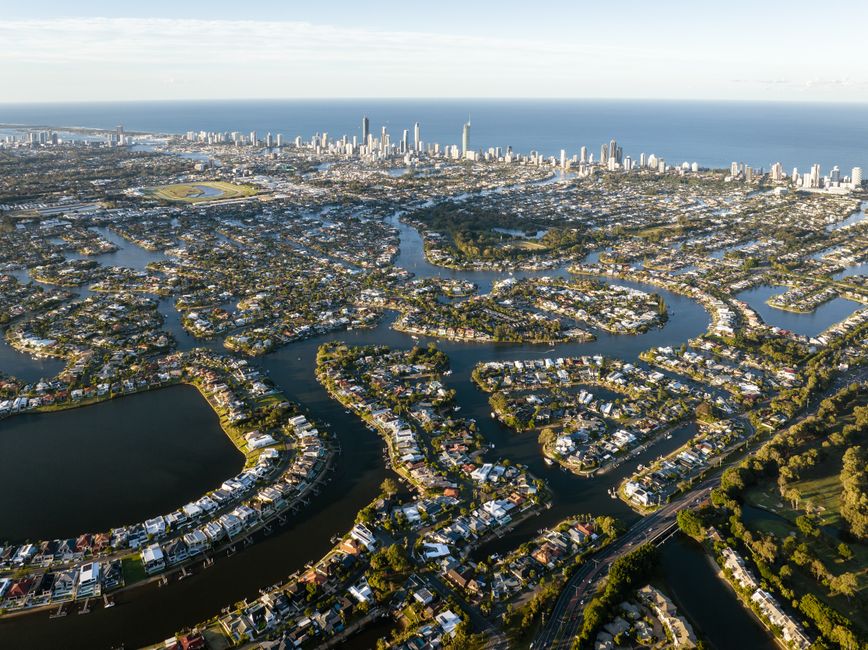
Townsville's planning horizon has contracted and expanded simultaneously. Facing competing demands on ratepayer budgets, water security, and residential growth, city administrators and policy experts are publicly grappling with trade-offs that will define the next decade.
The Ross River Dam remains the flashpoint. With storage levels fluctuating seasonally and climate variability intensifying, water authority representatives have consistently emphasised the urgency of supply diversification. Officials speaking at recent council briefings have flagged desalination and recycling infrastructure as non-negotiable, though capital costs exceed $300 million—a figure that has prompted heated debate around rates and funding models across suburban wards from Aitkenvale to Magnetic Island.
Housing density presents another friction point. Development industry representatives argue that Townsville's median house price of $485,000 reflects undersupply relative to population growth projections. Conversely, heritage and community voices—particularly in established neighbourhoods near The Strand and around James Cook University—have pushed back on medium-density rezoning proposals, citing infrastructure strain and character preservation.
Civic leadership has sought middle ground. Officials overseeing strategic planning have publicly committed to targeted infill development while protecting green space and heritage precincts. The Castle Hill and Belgian Gardens corridors have emerged as trial zones, though implementation timelines remain uncertain pending community consultation.
The military presence continues anchoring economic strategy. RAAF Townsville and Larrakoi Army Barracks generate over $2 billion in annual economic activity, and council representatives have signalled alignment with Defence Department infrastructure investment cycles. However, local government officials have also flagged the need for economic diversification beyond defence—particularly around the hydrogen hub initiative, which has attracted federal funding but requires coordinated water and energy planning.
First Nations treaty negotiations add another layer of complexity. Council representatives have publicly acknowledged that land use planning, water rights, and heritage protection intersect with ongoing Wulgurukaba and other traditional owner discussions. Officials have committed to genuine co-design processes, though timelines and resource allocation remain opaque.
Speaking broadly, city planners and administrators have adopted a cautious optimism. They acknowledge 2019 flood recovery is incomplete, that ratepayer fatigue around levies is real, and that federal and state funding remains inconsistent. Yet they've also signalled confidence in Townsville's fundamentals: geographic position, defence investment, and growing regional significance.
The test lies in execution. Council budgets due August will reveal whether rhetoric translates to resource commitment across water infrastructure, housing, and economic transition. Public scrutiny—and election cycles—will intensify accordingly.
This article was compiled by AI and screened before publishing. See our editorial standards.
About this article
Published by The Daily Townsville
Spread the word
Newsletter