Townsville's sustainability push gains momentum: what happened this week in green initiatives
From Ross River Dam management to hydrogen hub progress, local environmental projects are advancing on multiple fronts.
From Ross River Dam management to hydrogen hub progress, local environmental projects are advancing on multiple fronts.
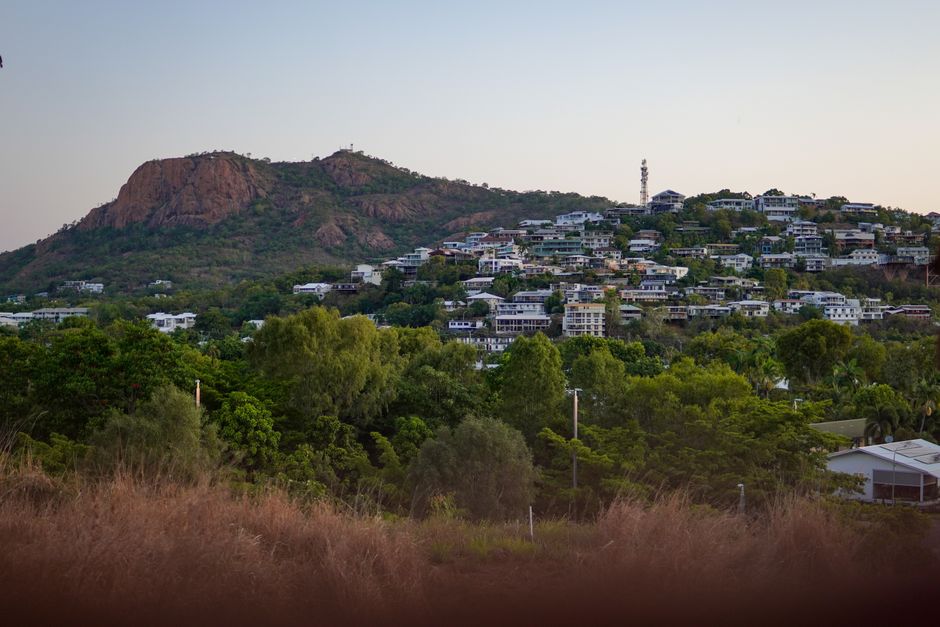
Townsville's environmental sector saw significant movement this week, with three separate sustainability initiatives marking fresh progress as the region continues to balance economic growth with ecological responsibility.
The Townsville City Council announced expanded monitoring protocols for Ross River Dam on Tuesday, introducing real-time water quality data accessible to the public via a new online dashboard. The move addresses longstanding concerns about water security in North Queensland's driest capital city, where storage levels have fluctuated between 45 and 65 per cent over the past five years. Council officers briefed stakeholders at the Civic Centre that the $2.3 million upgrade will provide hourly updates on salinity, turbidity, and algal blooms—information previously available only to internal management teams.
Separately, the Townsville Hydrogen Hub development cleared another regulatory checkpoint this week when the State Government's Coordinator-General issued an updated environmental impact assessment. The Castle Hill precinct project, aimed at positioning the region as a green hydrogen production centre, now moves toward detailed design phase. Industry observers note the timing aligns with federal investment trends, though local manufacturing capacity remains dependent on securing anchor tenants within the next 18 months.
In First Nations sustainability news, the Larrakia Reef Guardian Program expanded its operations across the reef systems adjacent to Magnetic Island. The initiative, which employs Indigenous rangers in environmental stewardship roles, welcomed twelve new participants this week through a partnership with James Cook University. The program combines traditional ecological knowledge with contemporary marine science, focusing on seagrass restoration and dugong habitat protection.
At the grassroots level, the Garbutt Community Gardens initiative reported record participation numbers following a restructure last month. The operation, spread across three sites including the popular Sturt Street location, now engages over 280 households in sustainable food production. Weekly workshops focusing on composting, water-wise gardening, and native plant propagation have become oversubscribed, with waiting lists for plots extending into spring.
Environmental advocates welcomed the developments but cautioned against complacency. The recent global climate reports underscore the urgency of local action, particularly for a region vulnerable to cyclonic flooding and rising sea levels. Townsville's 2019 flood recovery experience has proven instructive: resilience infrastructure—including wetland restoration projects along the Black River and mangrove protection zones—continues to attract research investment and federal funding.
Council officers have scheduled a public forum at the Thuringowa Central Library for next Thursday evening, where residents can engage directly with sustainability coordinators about upcoming projects, including a revised waste management strategy and the proposed offshore wind feasibility study.
This article was compiled by AI and screened before publishing. See our editorial standards.
About this article
Published by The Daily Townsville
Spread the word
Newsletter