Townsville Council's $1.3B Budget Reveals City Spending Priorities
Fresh data from the 2026–27 budget reveals where council is placing its fiscal bets—and where local services still face pressure.
Fresh data from the 2026–27 budget reveals where council is placing its fiscal bets—and where local services still face pressure.
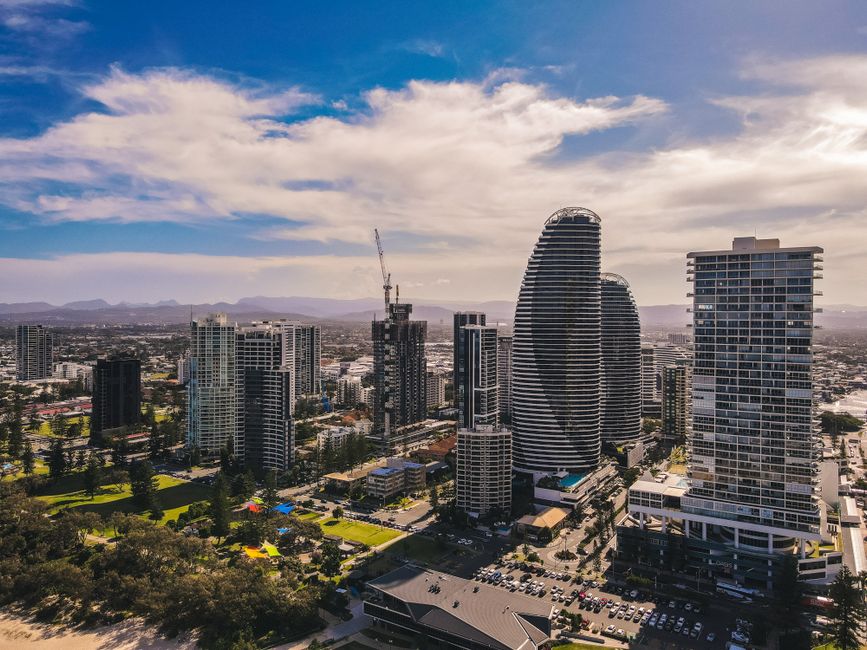
Townsville City Council's newly adopted budget of $1.34 billion offers a rare window into the municipality's strategic thinking at a critical moment in the region's recovery and growth trajectory.
The figures paint a complex picture. Capital works allocation stands at $287 million—a 12% increase from the previous year—yet operational spending on core services rose only 4.3%, to $631 million. Road maintenance, a perennial flashpoint for residents from Stuart to Aitkenvale, received $58 million, a modest uptick that still trails the depreciation rate of Townsville's aging transport network.
Water security remains central. Council's contribution to Ross River Dam operations and pipeline maintenance claims $34 million of the budget, reflecting ongoing vulnerability assessments and climate resilience planning. This figure has tripled since 2019, the year heavy monsoon rains tested the city's infrastructure limits.
Perhaps most telling is the allocation to the city centre revitalisation program anchored around Flinders Street and the Townsville CBD: $42 million over three years. This represents a deliberate pivot toward commercial district viability, coinciding with occupancy rates in the Heritage building precinct sitting at 67%—down from 82% in 2021.
Strategic planning zones near the proposed hydrogen hub in the vicinity of the Port and RAAF Base Townsville have drawn $8.2 million for feasibility studies and infrastructure preparation—a modest but symbolic commitment to diversifying beyond military and resources-export dependency.
First Nations consultation and co-design initiatives received $3.1 million, specifically tied to treaty process obligations and community-led urban design in suburbs including Garbutt and Mount Louisa. This represents a doubling of the 2024–25 allocation.
Perhaps unsurprisingly, flood mitigation and stormwater management drew $61 million—evidence that the 2019 deluge remains a budgetary ghost. Nearly 40% of that targets suburbs west of Ross River, where over 3,800 properties experienced inundation.
Staffing data also tells a story: council's workforce has grown 8.1% to 3,247 FTE positions, with the largest gains in planning and development assessment—a response to construction pipeline pressure and permit backlogs that averaged 87 days by mid-2026.
Rates rises of 4.5% were pegged to inflation and service demand, translating to an average annual increase of $91 for a median residential property valued at $485,000 across greater Townsville.
The budget is less a narrative of transformation than recalibration: careful stewardship of legacy obligations, tentative investment in new economic horizons, and persistent struggle to fund preventive maintenance across sprawling suburban infrastructure.
This article was compiled by AI and screened before publishing. See our editorial standards.
About this article
Published by The Daily Townsville
Spread the word
Newsletter