Townsville Housing Crisis: New Planning Laws Explained
Median house prices hit $580k and rentals drop below 1% vacancy. Here's how Townsville's planning reforms will impact affordable housing for families and workers.
Median house prices hit $580k and rentals drop below 1% vacancy. Here's how Townsville's planning reforms will impact affordable housing for families and workers.
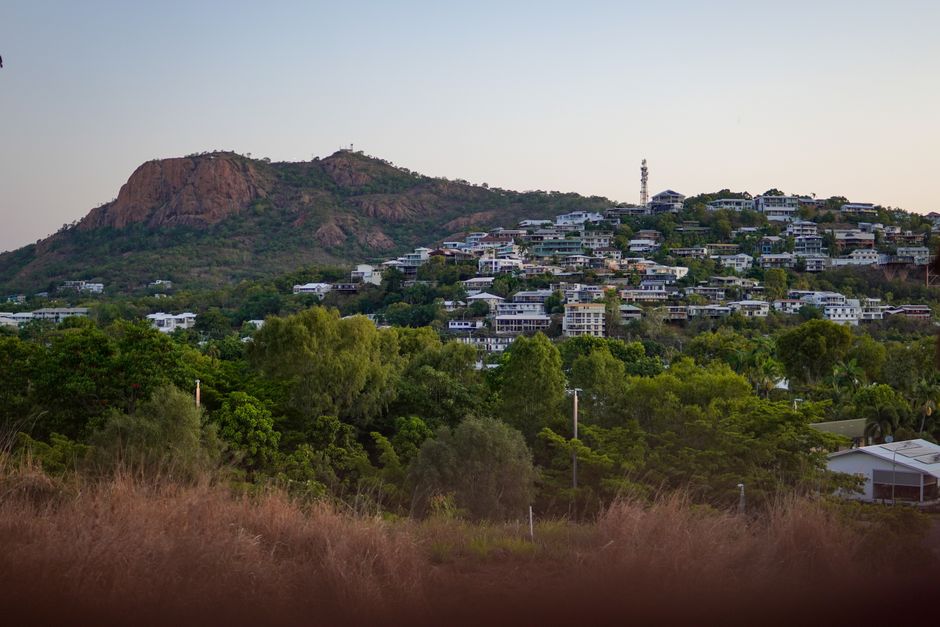
Townsville stands at a crossroads. With the median house price climbing toward $580,000 and rental vacancy rates hovering below 1 per cent, the city's housing crisis is no longer a whisper—it's a shout that echoes through streets from Aitkenvale to Stuart, from Mysterton to Cranbrook.
The Townsville City Council's forthcoming planning reforms will dictate how the city grows over the next decade. And unlike abstract policy debates, these decisions will directly affect whether young families, defence personnel at the local RAAF and Army base, and essential workers like nurses and teachers can afford to live here.
Consider the numbers. Defence Force attraction and retention depends partly on affordable housing near the base precinct. Healthcare workers already commute 30 minutes from distant suburbs because inner-ring properties—once the backbone of working-class stability—now command prices that lock out median earners. The shortage ripples through the entire local economy. Hospitality venues along Flinders Street struggle to staff shifts. Small retailers find it harder to attract workers. Business chambers warn that housing unaffordability threatens recruitment of skilled workers Townsville desperately needs.
The current planning framework, developed pre-pandemic, hasn't kept pace with population pressure and post-flood recovery demands. Proposed reforms centre on three contentious areas: density allowances in established suburbs, heritage conservation boundaries, and greenfield development corridors. Each choice carries weight.
Allowing medium-density housing in suburbs like Aitkenvale and Mundingburra could unlock supply without sprawl—but residents fear character loss and parking chaos. Restricting greenfield expansion protects the Ross River catchment and agricultural land—critical given water security lessons from 2019—yet limits options for families seeking new homes. Heritage protections preserve the colonial charm of Flinders Street's historic precinct, yet can freeze out affordable infill development.
These aren't just urban planning wonk debates. They determine whether a teacher earning $75,000 annually can save a deposit. Whether the Pacific Island community, already facing housing discrimination, finds secure neighbourhoods. Whether First Nations families benefit fairly from development in their traditional country—a question critical as the treaty process advances.
Townsville's hydrogen hub ambitions and military investments signal growth ahead. But growth without affordable housing isn't progress—it's displacement. The council's planning review must balance heritage with housing, conservation with capacity, and local character with community economic participation.
The decisions made in council chambers over the coming months will echo for decades through suburbs across Townsville. That's why this matters.
This article was compiled by AI and screened before publishing. See our editorial standards.
About this article
Published by The Daily Townsville
Spread the word
Newsletter