Townsville housing affordability: planning strategy analysis
Townsville's median house price hits $565k. Discover how CBD zoning reforms and density strategies compare to global cities tackling affordability crises.
Townsville's median house price hits $565k. Discover how CBD zoning reforms and density strategies compare to global cities tackling affordability crises.
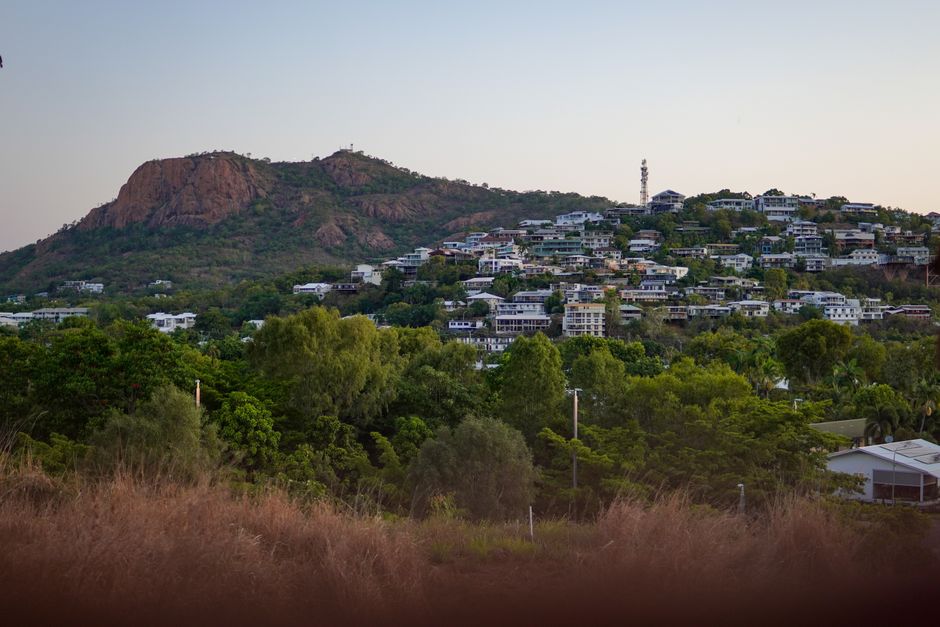
Townsville's median house price has climbed to $565,000 over the past three years, a trajectory that mirrors affordability pressures facing mid-sized cities from Newcastle to Nanaimo. Yet how the city is responding reveals both ambitions and vulnerabilities when measured against international counterparts grappling with similar challenges.
The Townsville City Council's recent zoning reforms around the CBD and emerging precincts like the Strand East development signal intent to increase density and housing supply. This echoes strategies adopted by councils in comparable cities: Adelaide's push for urban infill, or Canadian cities like Hamilton embracing medium-density residential corridors. Yet planners acknowledge the pace remains slower than what demand requires.
"We're competing for workers against Brisbane and the Gold Coast," says one development strategist tracking the region. The RAAF and Army presence—anchoring Townsville's economy—attracts defence personnel and contractors seeking affordable housing. Rental vacancy rates hover around 1.2 percent, tighter than the 2-3 percent threshold considered healthy.
Where Townsville diverges from global peers is in its geographic constraints and recovery narrative. Unlike sprawl-prone American mid-cities or European towns with centuries of consolidated infrastructure, Townsville rebuilt post-2019 floods with resilience top-of-mind. This has meant stricter building standards in flood-prone areas around Garbutt and South Townsville, inadvertently restricting supply in established pockets.
International examples offer instructive lessons. Perth's recent reforms accelerated approvals for secondary dwellings, boosting rental stock. Portland, Oregon pioneered suburban zoning elimination, enabling duplexes and triplexes citywide. Townsville's planning framework remains more cautious—heritage overlays around historic Flinders Street and conservation zones near the Ross River Dam limit development footprints.
The hydrogen hub initiative and defence expansion promise job growth that should theoretically ease affordability. Yet housing production hasn't kept pace in most comparable cities facing similar employment booms. Melbourne and Sydney, despite density moves, still see supply lags.
Townsville's advantage lies in scale and relative openness to change. A city of 190,000 can pivot faster than Sydney or Melbourne. Council's draft planning scheme targets 15,000 new dwellings by 2041—ambitious for a regional hub. Whether that translates to mixed-income communities or reproduces affordability problems elsewhere remains the critical question as competing interests—developers, heritage advocates, flood-conscious residents—negotiate the city's next chapter.
This article was compiled by AI and screened before publishing. See our editorial standards.
About this article
Published by The Daily Townsville
Spread the word
Newsletter