Townsville Enrollment Surges at JCU While School Retention Rates LagUpdated
New data shows enrolment surges at JCU while school retention rates lag state averages, raising questions about post-secondary pathways for local students.
New data shows enrolment surges at JCU while school retention rates lag state averages, raising questions about post-secondary pathways for local students.
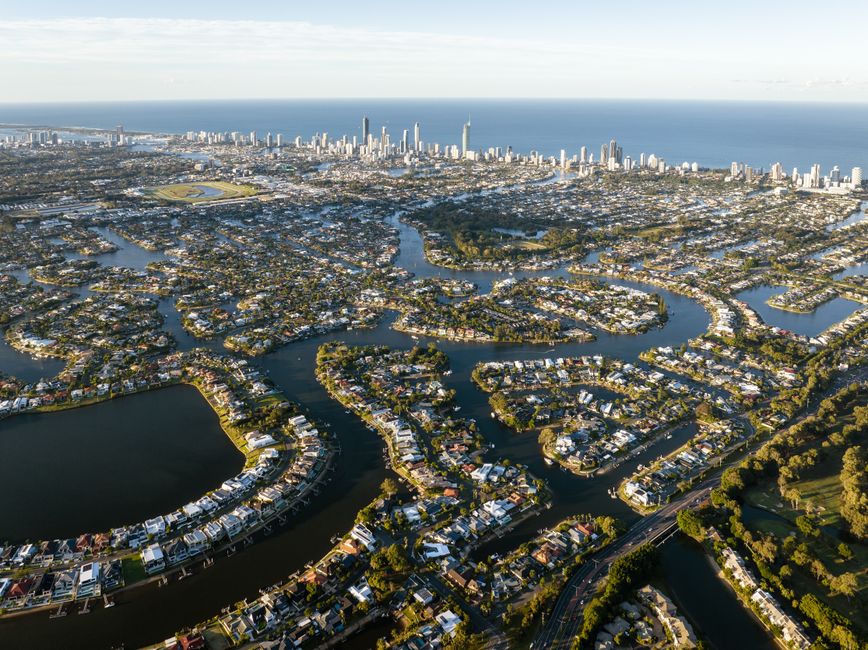
Fresh enrolment figures paint a complex picture of Townsville's education sector heading into the second half of 2026, with James Cook University recording a 12 per cent spike in domestic student numbers year-on-year, while regional secondary schools grapple with Year 12 retention rates sitting 8 percentage points below the Queensland average.
The numbers, compiled from Queensland Curriculum and Assessment Authority data and JCU administration records, suggest a growing appetite for tertiary study in Townsville—particularly in engineering, health sciences and business—yet reveal a troubling pipeline issue in the lead-up to university entrance.
According to the latest Department of Education figures, just 67 per cent of Townsville secondary students who commenced Year 10 in 2024 progressed to Year 12 completion, compared to the state benchmark of 75 per cent. That disparity translates to roughly 380 fewer students entering the workforce or higher education each year than would be expected if local retention matched state trends.
At Townsville schools including Kirwan State High on Dalrymple Road and Pimlico High, enrolments remain steady, but early departure patterns suggest economic pressures and regional employment opportunities are pulling students away from traditional academic pathways.
"The gap isn't unique to Townsville," explains education analyst commentary from regional policy bodies, though local stakeholders acknowledge the defence and construction sectors routinely recruit 16- and 17-year-olds into apprenticeships and entry-level roles, an attractive prospect given the region's reliance on RAAF Garbutt and Army base payroll.
Meanwhile, JCU's growth—with offshore and domestic enrolments now totalling approximately 28,400 students across Townsville and Cairns campuses—indicates the university is capturing regional demand. Domestic fee-paying student numbers have grown 18 per cent since 2024, particularly in graduate programs.
The university's expansion on the Douglas campus along the Bruce Highway, including new research facilities funded by recent federal grants, is expected to create additional teaching jobs and research opportunities, potentially influencing secondary student aspirations.
Education Queensland data also shows that students from schools in lower-socioeconomic postcodes—including suburbs around Thuringowa Central and Condon—progress to university at rates 13 per cent lower than their peers in established northern suburbs, underscoring equity questions as Townsville positions itself as an emerging knowledge economy alongside its military and industrial foundations.
The numbers suggest Townsville's education system stands at a crossroads: capitalising on university growth while addressing the retention and equity gaps that leave hundreds of secondary students without formal qualifications annually.
This article was compiled by AI and screened before publishing. See our editorial standards.
About this article
Published by The Daily Townsville
Spread the word
Newsletter