Townsville's Education Enrolment Puzzle: What the Numbers Reveal About Our Schools
New data shows declining primary enrolments across greater Townsville, even as university demand surges and early childhood centres fill to capacity.
New data shows declining primary enrolments across greater Townsville, even as university demand surges and early childhood centres fill to capacity.
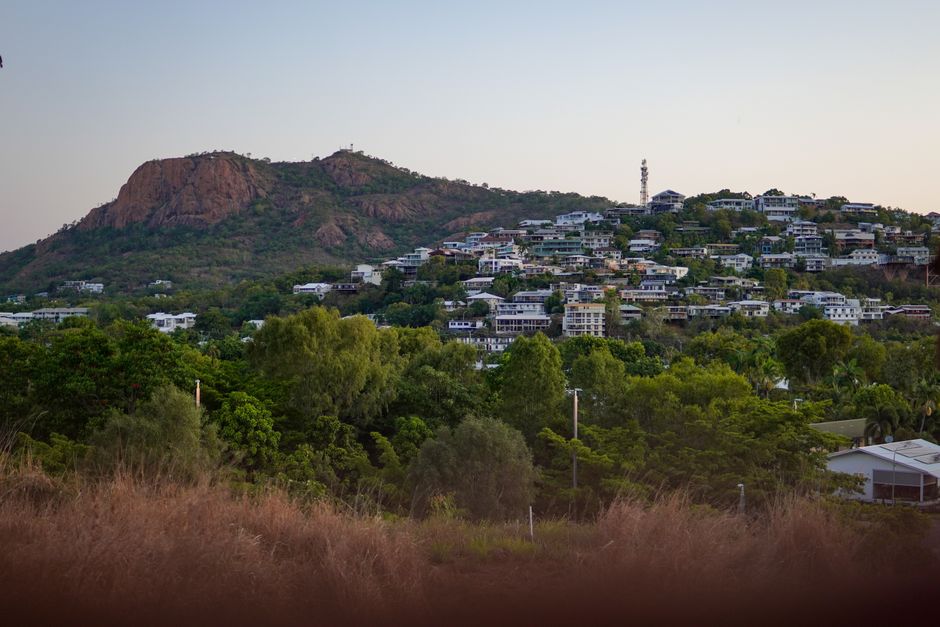
Behind every classroom door in Townsville sits a story told in spreadsheets. And this year's education statistics are painting a picture of shifting demand that demands attention from parents, planners and policymakers alike.
According to the Queensland Department of Education's latest quarterly report, primary enrolments across the Townsville region have declined by 3.2 per cent over the past two years, dropping from 18,450 students in 2024 to approximately 17,850 this term. Yet the numbers tell a more nuanced story than simple decline.
Secondary enrolments have remained relatively stable at 12,100 students, with James Cook University's Townsville campus reporting a 7.8 per cent rise in domestic student numbers—now standing at 8,340—particularly in engineering and environmental science programs. The university's expansion of its building and trades pathways has attracted 340 additional students compared to 2024 figures.
Early childhood services paint a different picture entirely. Data from the Townsville City Council reveals that licensed childcare centres across suburbs like Belgian Gardens, Aitkenvale and Cranbrook are operating at 94 per cent capacity, up from 87 per cent two years ago. Waitlists now extend 6-8 weeks at peak facilities, reflecting the region's growing workforce participation among parents aged 25-40.
The disparity raises questions about catchment planning. Currajong State School, serving families along the Stuart Highway corridor, has seen enrolments drop 18 students year-on-year, while Kirwan State High School's roll remains robust at 1,680 despite broader regional softness.
Cost pressures may be contributing. A Department of Education survey found that average annual school fees and supplies for families now total $2,840 per primary student—up $340 since 2024. Early childhood fees average $1,450 monthly across Townsville suburbs, pricing some families out of formal childcare entirely.
The data also reveals demographic currents. The 0-5 age cohort in Townsville has grown 2.1 per cent since 2023, while the 6-12 cohort contracted marginally. Migration patterns suggest defence and resources families are driving early childhood demand near the RAAF and Army bases around Garbutt and Rasey, while traditional suburban zones experience slower growth.
These numbers matter. They guide infrastructure investment, teacher recruitment and curriculum planning. As Townsville positions itself as a hydrogen hub and diversifies its economy, ensuring our schools adapt to demographic reality—rather than historical patterns—will be crucial to supporting the next generation of workers, engineers and innovators our region desperately needs.
This article was compiled by AI and screened before publishing. See our editorial standards.
About this article
Published by The Daily Townsville
Spread the word
Newsletter