Two Decades of Congestion Led to Townsville's Transport Crossroads: How We Got Here
From the 2019 floods to pandemic delays, understanding the infrastructure decisions that shaped our current transport crisis.
From the 2019 floods to pandemic delays, understanding the infrastructure decisions that shaped our current transport crisis.
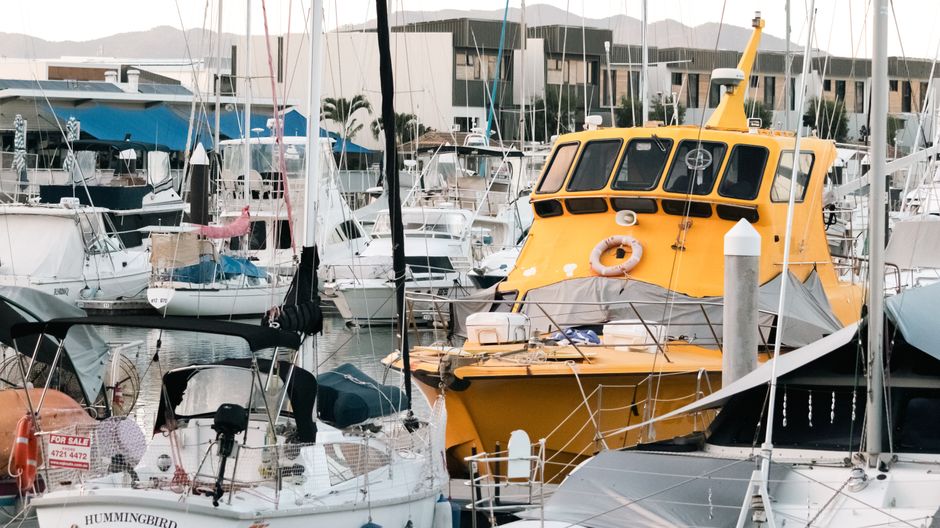
Townsville's transport infrastructure story is one of deferred maintenance, demographic shifts, and missed windows of opportunity—a narrative that helps explain why the city now faces such critical decisions about its future connectivity.
For decades, growth along the Stuart Highway corridor crept steadily northward. The 2019 floods, which devastated neighbourhoods from Gulliver to Condon, exposed vulnerabilities in our east-west connectivity that planners had long flagged but underfunded. The Ross River was swollen, alternative routes were limited, and the fragility of a transport network built for a smaller city became starkly apparent. In the recovery years that followed, infrastructure investment became politically charged—every dollar allocated to one project meant another waited.
The Bruce Highway remains Townsville's spinal cord, yet sections through the city—particularly around Garbutt and Belgian Gardens—were designed for traffic volumes from the early 2000s. Population growth of roughly 1.2 per cent annually across the Townsville region since 2015 meant that by 2025, commuters faced delays that clogged arteries to the RAAF and Army bases, the region's largest employers. The economic consequence was measurable: business surveys indicated congestion cost the local economy millions annually in lost productivity.
The pandemic interrupted planning cycles. Construction material shortages, labour shortages, and budget freezes delayed projects like the Cleveland Bay Road improvements and the Strand beachfront precinct works. When federal infrastructure funding reopened, competing priorities—the hydrogen hub development, Port of Townsville modernisation, and James Cook University expansion—meant transport projects had to be strategically ranked.
Rail infrastructure tells its own story. The Townsville-Mount Isa line, critical for freight and passenger services, operates at century-old capacity limits. Discussions about rail grade separation at key intersections have circled for fifteen years without resolution, each cycle adding cost inflation to eventual solutions.
What brought Townsville to this crossroads, fundamentally, was the gap between infrastructure built for 150,000 residents and the reality of a city approaching 200,000. The 2019 floods accelerated public awareness, but the underlying problem had been building since the early 2010s.
Current proposals—whether expanded arterial roads, public transport investment, or port access improvements—must be understood within this context. They are not new ideas, but rather deferred answers to questions the city asked itself years ago. Understanding how we arrived at this moment is essential to choosing which infrastructure investments finally get prioritised.
This article was compiled by AI and screened before publishing. See our editorial standards.
About this article
Published by The Daily Townsville
Spread the word
Newsletter