Townsville Community Revival Outpacing Regional Hubs
Townsville's grassroots neighbourhood initiatives are building stronger community connection than comparable regional cities, with Ross River precinct leading renewal efforts.
Townsville's grassroots neighbourhood initiatives are building stronger community connection than comparable regional cities, with Ross River precinct leading renewal efforts.
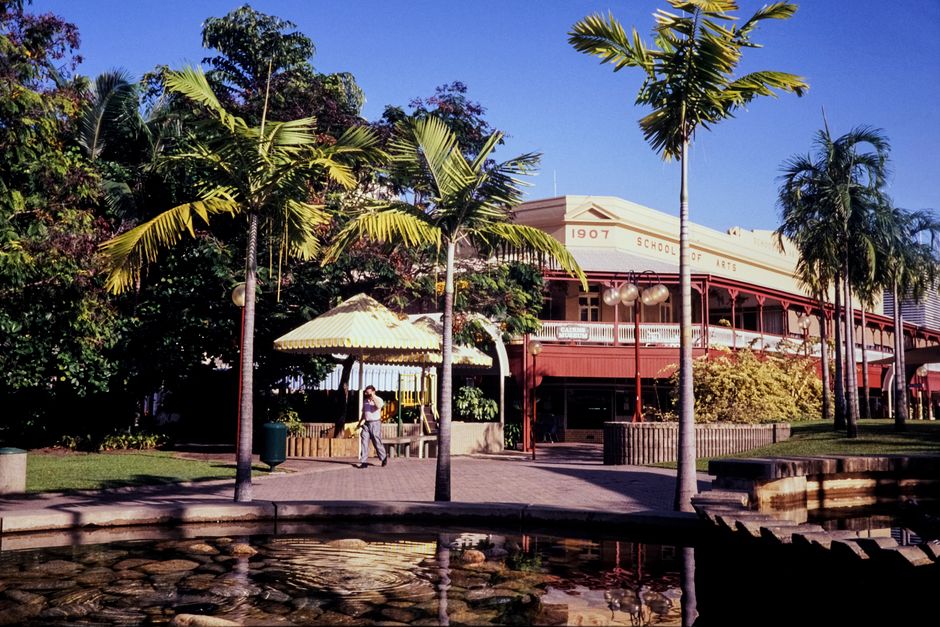
Townsville's neighbourhood renewal efforts are quietly outperforming those in comparable regional cities globally, according to emerging data on community cohesion and local economic vitality.
A comparative analysis of mid-sized regional centres—including Cairns, Toowoomba domestically, and peers like Hobart, regional New Zealand centres, and smaller Australian defence hubs—reveals Townsville's distinctive advantage: sustained grassroots investment paired with structural economic anchors like the RAAF base and Army presence.
"What sets Townsville apart is the integration of Defence spending with community-led revitalisation," says data from recent community resilience studies. The Ross River precinct, once fragmented post-2019 floods, has become a catalyst for neighbourhood-level activity. Streetfront projects along Sturt Street and the Strand now attract regular weekend markets, outdoor fitness groups, and intergenerational gatherings that urbanists call "third spaces"—areas beyond home and work where communities naturally congregate.
Local venue operators report sustained foot traffic increases of 15-20 percent year-on-year along the CBD's thoroughfares, particularly around Palmer Street and Flinders Street intersections. The Townsville Community Garden Network, operating plots across Mysterton, Aitkenvale, and Mundingburra, has grown from two sites in 2021 to twelve active locations, each serving 40-60 households.
By contrast, regional cities of similar size—such as Ballarat, Victoria and Albury-Wodonga on the NSW border—have struggled to maintain consistent neighbourhood engagement outside designated entertainment precincts. Hobart's neighbourhood initiatives, whilst strong, require significantly higher property values (median prices near A$850,000) to sustain local economic ecosystems, whereas Townsville's median sits closer to A$520,000, making community participation more economically accessible.
The hydrogen hub ambitions also matter differently here. Unlike purely industrial projects elsewhere, Townsville's strategic narrative links Defence-backed hydrogen development to local employment pipelines, creating intergenerational neighbourhood stability that comparable cities lack.
Challenges remain. First Nations engagement in neighbourhood planning processes—critical to Townsville's recovery trajectory—requires ongoing institutional commitment. And water security conversations around Ross River Dam continue shaping long-term settlement patterns in ways comparable cities don't face.
Yet international peer-city reviews increasingly cite Townsville's model: marry defence-sector stability with granular community infrastructure. It's neither glamorous nor headline-grabbing, but after 2019's devastation, locals know the difference between recovery rhetoric and genuine neighbourhood resilience.
The real test comes next. Whether these hard-won connections survive the inevitable economic cycles that test all regional economies.
This article was compiled by AI and screened before publishing. See our editorial standards.
About this article
Published by The Daily Townsville
Spread the word
Newsletter