Townsville Housing Crisis: Density vs Sprawl Debate
Townsville faces critical housing decisions as median prices near $600k and rental vacancy drops below 1%. Explore density, sprawl, and affordability options.
Townsville faces critical housing decisions as median prices near $600k and rental vacancy drops below 1%. Explore density, sprawl, and affordability options.
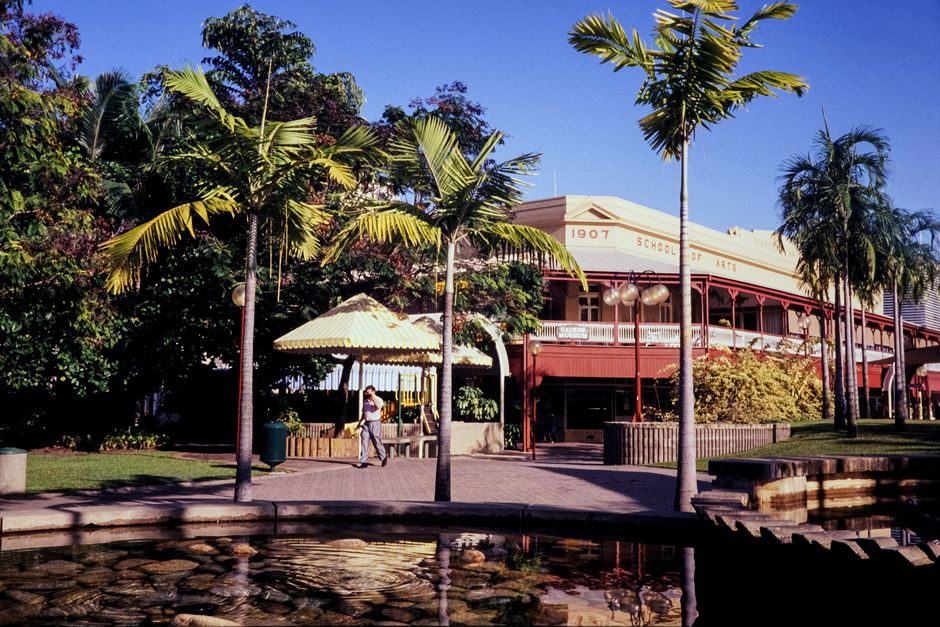
Townsville stands at a pivotal moment. The city that weathered the 2019 floods and emerged as a defence and aerospace hub is now grappling with a housing crisis that threatens to undermine its economic momentum and liveability for working families and young professionals.
The numbers are stark. Median house prices have climbed steadily, vacancy rates hover near record lows, and rental pressure continues to squeeze low-income households. Meanwhile, developments creeping northward toward Deeragun and westward toward Stuart are eating into farmland, while inner suburbs like South Townsville and Townsville City remain pockets of untapped potential.
The decisions ahead fall into three contested domains. First, density versus sprawl: will Townsville continue the post-war pattern of expanding outward—consuming more land and infrastructure—or embrace strategic infill housing around the CBD, along the Strand, and near James Cook University's Townsville campus? Each path carries trade-offs. Sprawl is politically popular but stretches water security, road networks, and council budgets. Densification attracts resistance but preserves land and strengthens urban vitality.
Second, affordability mechanisms. The Queensland government's recent policy announcements point toward vacant land taxes and first-home buyer schemes, but Townsville's council must decide how aggressively to deploy planning tools—inclusionary zoning requirements, development levies for social housing, and expedited approvals for affordable projects. The RAAF and Army bases' continued expansion brings workers; housing them affordably is now a resilience question, not just a moral one.
Third, neighbourhood character and infrastructure. Flinders Street's revival, the Strand precinct's evolution, and Woolworths' recent renewal in the CBD are early signals, but piecemeal approaches risk creating chaos. A coherent master plan—one that links transport, parks, schools, and employment hubs—remains elusive.
Council's July sitting will review the planning scheme, a once-per-decade moment. Meanwhile, developers are watching. State government levers around land release and developer incentives sit with Brisbane. Community voices—from renters' advocates to established homeowners—pull in opposite directions.
The next 18 months will determine whether Townsville builds a resilient, mixed-income city or drifts toward a two-tier market where defence workers and professionals find homes while essential workers commute from outer suburbs or leave entirely. That's not just policy. That's identity.
This article was compiled by AI and screened before publishing. See our editorial standards.
About this article
Published by The Daily Townsville
Spread the word
Newsletter