Townsville's Emergency Services: Budget Cuts, Climate Demand Shape Response Capacity
From budget cuts to climate-driven demand, understanding the path that shaped our police, fire and rescue capacity.
From budget cuts to climate-driven demand, understanding the path that shaped our police, fire and rescue capacity.
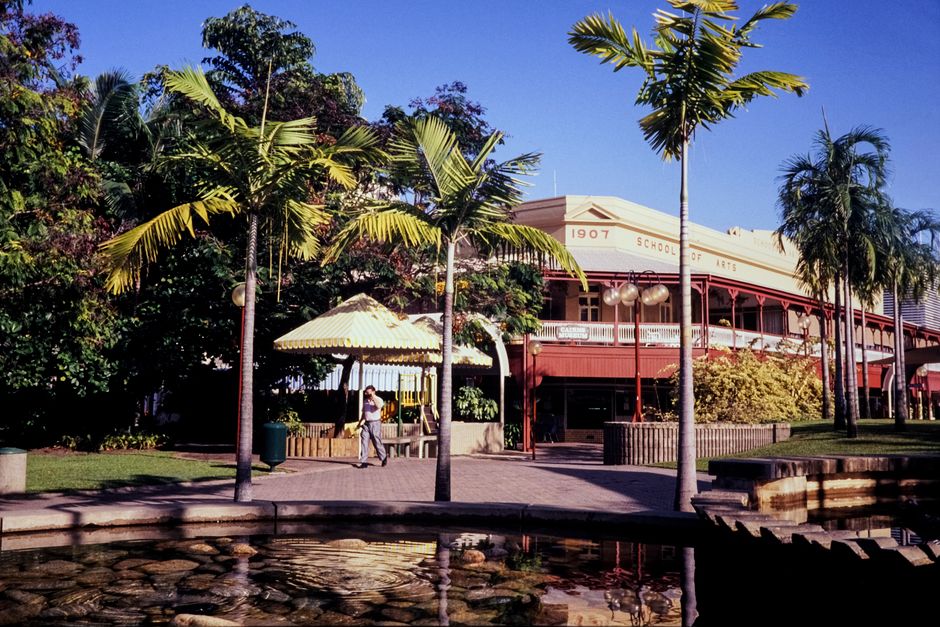
Townsville's emergency services framework didn't emerge overnight. The systems protecting residents across Castle Hill, Aitkenvale, and the riverside precincts today are the product of two decades of shifting priorities, funding pressures, and hard lessons learned from natural disasters.
The 2019 Ross River Dam crisis marked a watershed moment. When February's deluge threatened the dam's structural integrity and forced the evacuation of over 25,000 residents, it exposed critical gaps in inter-agency coordination. Queensland Police Service personnel worked around the clock from their Sturt Street headquarters, while Queensland Fire and Emergency Services stretched resources thin across the northern suburbs. That experience directly informed restructuring decisions made through the early 2020s.
The decade prior had been leaner. Between 2012 and 2018, Queensland state budget constraints meant Townsville's police headcount remained relatively static despite population growth climbing toward 200,000 residents. The Townsville Station at Sturt Street operated with inherited legacy systems; the helicopter rescue base at Garbutt saw fluctuating operational hours. Community crime surveys consistently flagged concerns about response times in outer suburbs like Gulliver and Condon, where residential sprawl had outpaced service infrastructure.
Defence force integration changed the calculus. With the RAAF and Army establishing expanded operations at Garbutt and Lavarack Barracks respectively, joint emergency response protocols evolved. The economic significance—defence now underpins roughly 8 per cent of local employment—justified investment in modernised communications systems and enhanced coordination between military and civilian first responders.
The hydrogen hub ambitions launched in 2024 introduced another complexity: planning emergency response capability for potential industrial hazards alongside traditional urban policing. That forced collaboration between Townsville City Council, emergency services, and industry operators at the Port of Townsville.
Budget allocation patterns also reflect economic reality. Rising insurance premiums following the 2019 floods pushed insurance claims above $1.2 billion, channelling insurance industry funding toward flood resilience and property protection. This indirectly shaped how emergency services prioritised disaster preparedness versus street-level patrol capacity.
Today, Townsville's emergency services operate within this accumulated context: a community still processing flood trauma, an economy anchored to defence spending, expanding industrial development, and rising demand for mental health crisis interventions. The workforce—police, firefighters, paramedics—operates within budget frameworks established during leaner years, now stretched by contemporary pressures that yesterday's planners didn't fully anticipate.
Understanding where we are requires understanding this trajectory. Current service gaps aren't random; they reflect choices, constraints, and lessons embedded in the past seven years.
This article was compiled by AI and screened before publishing. See our editorial standards.
About this article
Published by The Daily Townsville
Spread the word
Newsletter