Townsville's sustainability push cuts household bills, creates local jobs
As the city chases hydrogen hub status and water security, new environmental initiatives are poised to reshape how families budget and where they work.
As the city chases hydrogen hub status and water security, new environmental initiatives are poised to reshape how families budget and where they work.
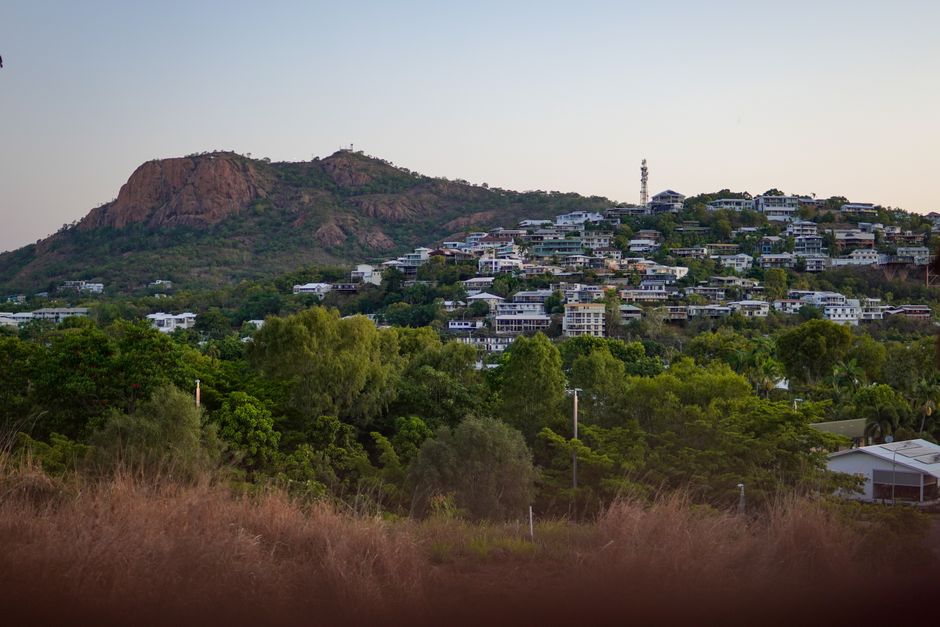
Townsville residents face a pivotal moment. Water bills, energy costs, and job security have long been neighbourhood concerns on Flinders Street to Pimlico, and a suite of emerging sustainability initiatives could fundamentally reshape household budgets and local employment over the next five years.
The stakes are immediate. Average household water usage in Townsville sits around 250 litres per person daily—well above the Queensland average of 160 litres—partly due to aging infrastructure and lawn irrigation habits. With Ross River Dam at capacity but climate variability looming, water management isn't abstract policy; it's about whether families on the north side can afford their rates notices.
The city's hydrogen hub ambitions offer tangible economic promise. Federal and state backing has positioned Townsville as a regional production centre, with industry estimates suggesting the sector could generate 2,000 direct jobs and $15 billion in economic activity by 2035. For workers at the RAAF and Army bases—the economic backbone supporting roughly 8,500 Defence jobs—diversification into emerging energy sectors creates genuine career pathways beyond defence contracting.
But community benefit hinges on implementation. Townsville Enterprise Limited and local councils are advancing three critical streams: residential water efficiency rebates, renewable energy co-investment schemes for low-income suburbs like Aitkenvale and Gulliver, and green skills training through TAFE Queensland campuses. Early data from a 12-month pilot in Mysterton showed households reducing water consumption by 18 per cent through targeted audits and smart meter adoption—translating to roughly $140 annual savings per property.
The 2019 floods remain a community memory, and climate resilience directly influences insurance premiums and property values. Suburbs investing in stormwater harvesting and permeable paving see measurably lower flood risk, affecting both physical safety and mortgageability. The Townsville Resilience Strategy, updated in 2024, identifies 47 neighbourhoods as priority zones for green infrastructure investment.
First Nations communities are also central. The Larrakia Nation and Wulgurukaba Peoples have long stewarded land practices reflecting deep sustainability knowledge. Formal recognition of Indigenous environmental management in city planning—particularly around mangrove restoration in Strand and wetland protection at Black River—creates cultural leadership roles and economic opportunities within local communities.
For residents, the practical question is straightforward: do these initiatives translate to lower bills, safer communities, and jobs your children can access? The answer depends on sustained funding, transparent governance, and whether Townsville treats sustainability as infrastructure—not rhetoric. The next 18 months will reveal if the city walks the walk.
This article was compiled by AI and screened before publishing. See our editorial standards.
About this article
Published by The Daily Townsville
Spread the word
Newsletter