Townsville Leaders Signal Shift on Flood Resilience and Rate Relief as Budget Pressures Mount
City officials and community experts outline priorities for infrastructure spending and cost-of-living support ahead of next financial year.
City officials and community experts outline priorities for infrastructure spending and cost-of-living support ahead of next financial year.
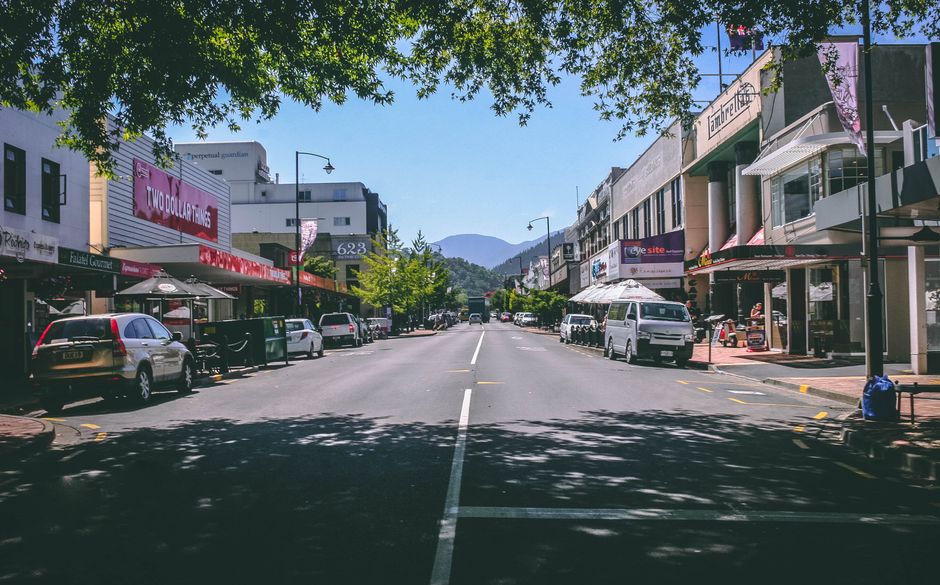
Townsville's civic leadership is signalling a recalibration of spending priorities, with local government representatives and urban planning experts emphasizing the need to balance flood resilience investments against growing rate pressures facing residents across the region.
At last week's Council briefing session, senior officials outlined a cautious approach to the 2026–27 budget, citing sustained pressure from rising construction costs and the ongoing maintenance burden of flood-mitigation assets installed following the devastating 2019 inundation. The Ross River Dam—critical to the city's water security—continues to require significant capital expenditure, with officials describing annual maintenance schedules as "non-negotiable" but flagging the cumulative impact on ratepayer bills.
"We are in a genuine tension between what the community needs and what residents can afford," said one senior planning official at a Council workshop on Tuesday, speaking on condition of anonymity. The comment reflects broader frustration among administrators about federal and state grant availability for regional infrastructure.
Townsville's construction sector, which has absorbed much of the post-flood rebuild activity, remains a focal point for economic stability. Property valuations in suburbs including Douglas, Thuringowa, and the CBD precinct have remained relatively stable, though rental vacancy rates in inner-city areas around Flinders Street East continue to track above five per cent—a level analysts consider problematic for long-term activation.
Community advocates have been vocal on two fronts: hydrogen hub development and First Nations engagement. The Townsville Enterprise Limited has continued promoting the city's hydrogen credentials in the context of national decarbonization targets, though officials remain circumspect about near-term commercial viability. Meanwhile, stakeholders involved in the ongoing First Nations treaty process have called for greater transparency around consultation timelines and decision-making protocols.
Local business representatives at the recent Chamber of Commerce forum emphasized the RAAF and Army base's role as an economic stabilizer, with defence spending underpinning employment across retail, services, and accommodation sectors. Officials acknowledged this dependency while cautioning against complacency.
The Townsville City Council is expected to release its draft budget position in late July, with public consultation rounds scheduled for August across key venues including the Civic Centre, Kirwan Library, and regional community halls. Ratepayer groups have already indicated they will seek detailed justification for any increases above inflation, signalling that the budget cycle will be closely scrutinized.
This article was compiled by AI and screened before publishing. See our editorial standards.
About this article
Published by The Daily Townsville
Spread the word
Newsletter