Townsville Officials Split on Housing Plan as Rents Hit $2,100 Monthly
City leaders and urban planners offer competing visions for tackling affordability and development as median rents climb past $2,100 monthly.
City leaders and urban planners offer competing visions for tackling affordability and development as median rents climb past $2,100 monthly.
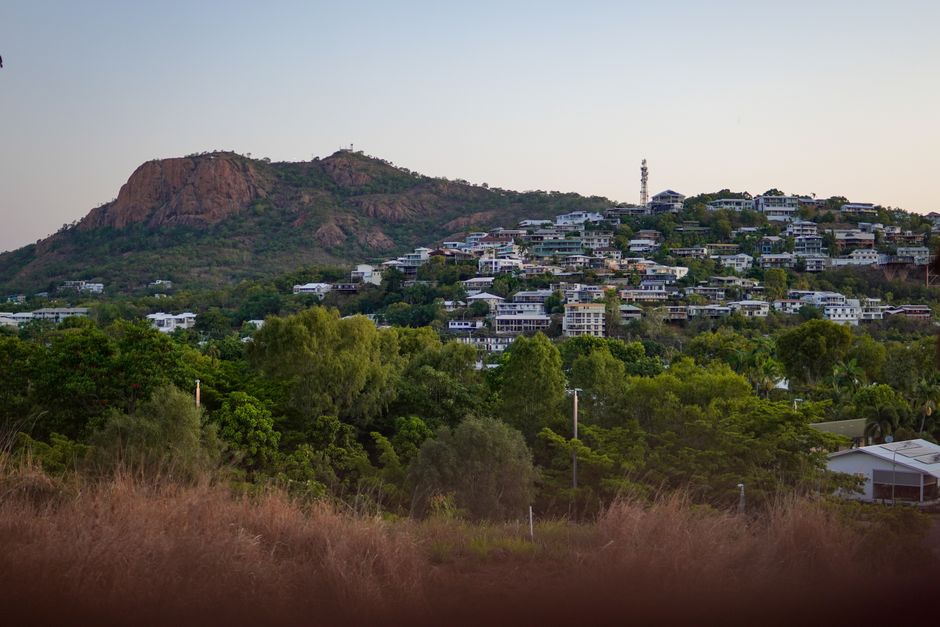
Townsville's housing squeeze has triggered a fundamental debate about planning priorities, with council officials, property experts and advocacy groups presenting sharply different roadmaps for the city's future.
At last week's planning committee meeting, representatives from the Townsville Chamber of Commerce argued for expedited development approvals along the Ross River corridor and in the Kirwan commercial precinct, citing construction delays as a key driver of rising costs. Median rental prices have climbed to $2,140 per month—up 18 percent in two years—while vacancy rates hover below 2 percent citywide.
"We need to unlock supply quickly," a chamber spokesperson told council, emphasizing that streamlining environmental assessments and reducing developer timelines could free up land for residential projects. The chamber has specifically flagged the Garbutt industrial zone and areas surrounding the Townsville Hospital as underutilised assets ripe for mixed-use conversion.
However, housing advocates and representatives from the North Queensland Community Legal Centre have warned against prioritising developer interests over affordability safeguards. They've called for mandatory inclusionary zoning—requiring new projects to include a percentage of affordable units—and stricter rent regulation in established suburbs like Aitkenvale and Hyde Park, where working families increasingly face displacement.
The city's planning director acknowledged tensions in a recent address, noting that Townsville must "balance growth with liveability." Current strategy focuses on four priority development corridors: the CBD expansion around Flinders Street, the waterfront precinct near The Strand, the emerging tech hub around James Cook University's campus, and rail-adjacent sites near Townsville Central station.
University researchers from JCU's Centre for Urban Futures have presented modelling suggesting that without intervention, demand for affordable housing could reach a shortfall of 8,400 dwellings by 2035. They've recommended a coordinated approach combining planning reform, targeted government investment, and public-private partnerships.
The Townsville City Council is scheduled to vote on revised planning guidelines in August, which will determine whether the city adopts a supply-first model favoured by developers, implements stronger affordability mechanisms championed by community groups, or attempts a hybrid approach. Councillors face competing demands from residents struggling with rent, businesses demanding regulatory relief, and environmental groups concerned about sprawl.
For now, Townsville remains at a crossroads—growth is necessary, but the question of who benefits from that growth remains fiercely contested.
This article was compiled by AI and screened before publishing. See our editorial standards.
About this article
Published by The Daily Townsville
Spread the word
Newsletter