Townsville's $2.1 billion transport gamble: What the numbers reveal about our infrastructure future
As major road and rail upgrades reshape the city, data shows both promise and pressure points for a region balancing growth with fiscal reality.
As major road and rail upgrades reshape the city, data shows both promise and pressure points for a region balancing growth with fiscal reality.
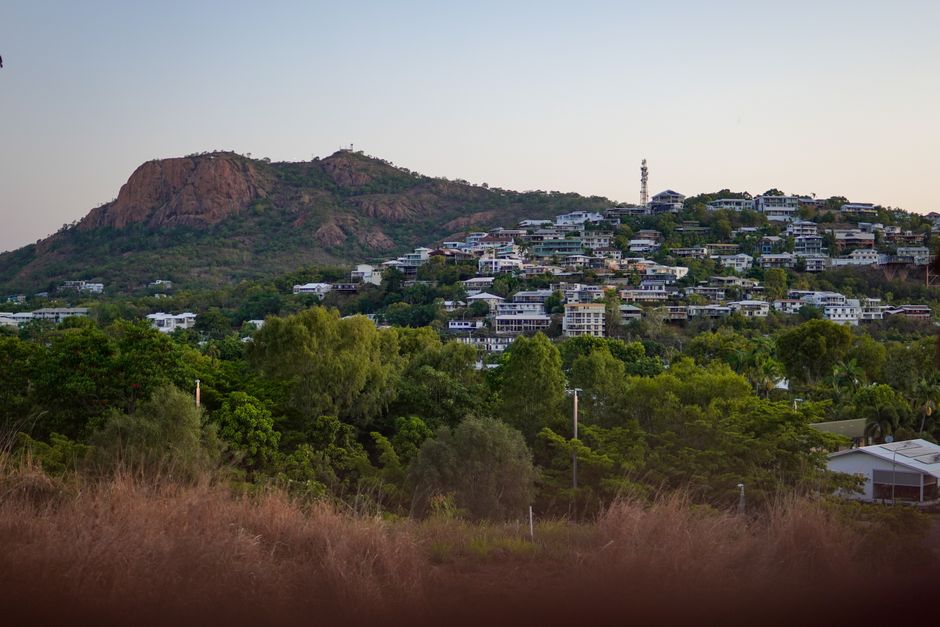
Townsville's infrastructure pipeline is worth approximately $2.1 billion across committed and proposed projects, yet the numbers tell a story of strategic choices and competing demands that will define the city for the next decade.
The Bruce Highway upgrade through Townsville alone represents $847 million in committed federal and state funding, with traffic modelling showing current volumes of 38,000 vehicles daily are projected to reach 52,000 by 2036. Those figures underscore why the Bohle River Bridge duplication project remains critical: congestion costs the region an estimated $156 million annually in lost productivity, according to transport planning data released last year.
The Port of Townsville expansion, meanwhile, requires an additional $340 million investment to handle projected container throughput increases from 210,000 TEU (twenty-foot equivalent units) currently to 380,000 TEU by 2035. That's an 81 percent uplift in capacity demand—figures that hinge on the hydrogen hub ambitions and broader industrial growth the city is pursuing.
Rail infrastructure presents starker numbers. The Townsville to Mount Isa rail corridor, critical for mining logistics, operates at approximately 73 percent of capacity during peak seasons. Maintenance costs currently consume $34 million annually, with aging infrastructure requiring replacement of approximately 220 kilometres of track over the next seven years at an estimated cost of $580 million.
What's revealing is the data gap around local transport. Bus patronage across the Townsville Transit network has plateaued at 8.2 million annual trips—unchanged since 2022 despite population growth of 2.1 percent annually. This suggests gaps between service design and community demand, particularly for connections between the RAAF base, Army garrison, and residential areas like Mysterton and Wulguru.
The 2019 flood recovery has also locked in infrastructure spending: Ross River Dam resilience works total $127 million, with additional $203 million committed to stormwater and levee improvements across suburbs including South Townsville and the CBD. These are investments that, while essential, constrain budgets elsewhere.
The financial pressure is real. Council's infrastructure maintenance backlog stands at $89 million—a figure that grows by approximately 4 percent annually. Meanwhile, competing priorities for Flinders Street pedestrian upgrades ($48 million), the sports and entertainment precinct expansion ($165 million), and CBD activation projects ($72 million) must fight for attention and dollars.
The data suggests Townsville is at an inflection point: invest strategically in transport infrastructure now, or face compounding costs later. The numbers don't lie—they just demand hard choices.
This article was compiled by AI and screened before publishing. See our editorial standards.
About this article
Published by The Daily Townsville
Spread the word
Newsletter