Townsville Police Response Times: Station Expansion Debate
Townsville crime up 12% as police weigh Thuringowa station expansion versus mobile units to improve response times in outer suburbs like Condon and Kirwan.
Townsville crime up 12% as police weigh Thuringowa station expansion versus mobile units to improve response times in outer suburbs like Condon and Kirwan.
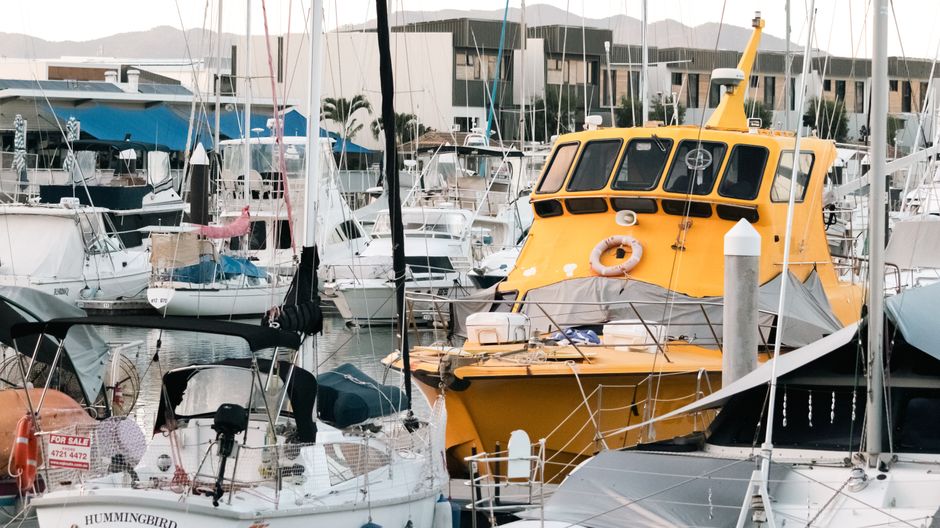
Townsville's police and emergency services are at a crossroads. With recorded crime in the city climbing steadily and response times to incidents in outer suburbs like Condon and Kirwan stretching beyond agreed benchmarks, Queensland Police and the Queensland Fire and Emergency Services are facing tough decisions about where to invest limited resources.
Data released by the Townsville Police District shows calls for service have increased 12 percent over the past 18 months, with particular pressure in outlying areas. The current flagship Townsville Police Station on Sturt Street handles dispatch for a sprawling jurisdiction covering suburbs from Magnetic Island to the Douglas Daly region—a geographic footprint that has expanded significantly with population growth north of the Bohle River.
The operational question is stark: does the service expand the Thuringowa Police Station on Bridge Road to handle increased case loads and custody demand, or does it deploy mobile response units and satellite facilities across growth corridors? Each option carries different costs and trade-offs.
An expanded Thuringowa facility would consolidate operations and provide dedicated space for investigative teams currently hot-desking at the city station. But capital works estimates for police infrastructure in Queensland typically run between $8–12 million per project, placing expansion beyond immediate budget cycles.
The mobile unit approach—used successfully in the RAAF and Army precincts along Ewen Maddock Drive—offers faster deployment to Townsville's northern growth areas. However, it fragments command structures and complicates evening and weekend coverage when call volumes spike around the Strand precinct and entertainment venues.
Emergency services coordination also hinges on these decisions. Queensland Fire and Emergency Services operates four urban stations, but three-quarter of callouts are medical in nature. The pending merger of ambulance and fire services means dispatch protocols must align with police response planning.
The Townsville City Council has nominated emergency services capacity as a priority in its submission to the state government's infrastructure review, noting that water security improvements at Ross River Dam have enabled the city to plan confidently for 50,000 new residents by 2041. Without proportional investment in police and emergency response, council argues, that growth becomes unsustainable.
Queensland Police Service Area Commander will present recommendations to regional headquarters by September. Those decisions will shape how Townsville responds to crime, manages the night-time economy, and supports vulnerable communities—issues that extend well beyond policing into youth services, mental health support, and social cohesion.
The path forward isn't simply about more uniforms or more vehicles. It's about choosing which model of response—centralized or distributed—best serves a city in transition.
This article was compiled by AI and screened before publishing. See our editorial standards.
About this article
Published by The Daily Townsville
Spread the word
Newsletter