By the Numbers: What Townsville's Sustainability Push Actually Looks Like
New data reveals the scale of local environmental initiatives—and how far targets still need to go.
New data reveals the scale of local environmental initiatives—and how far targets still need to go.
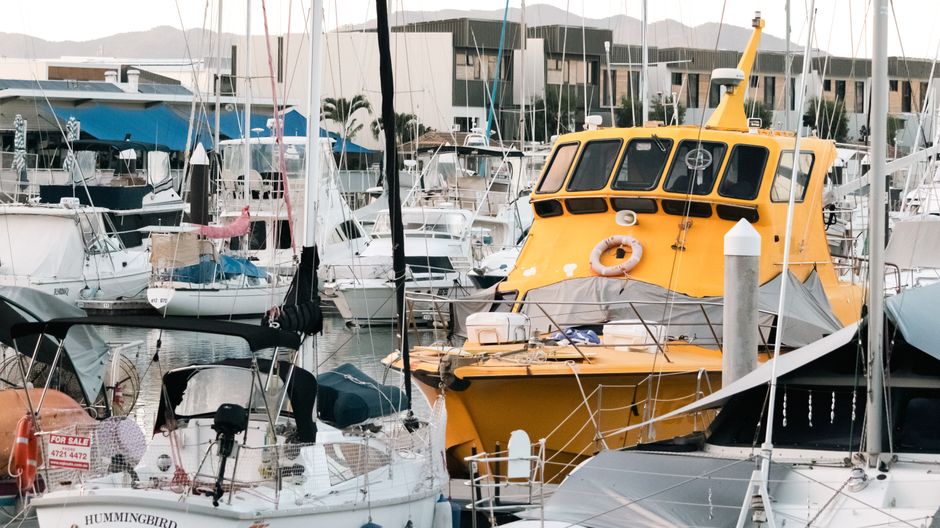
Townsville's environmental ambitions are quantifiable now, and the numbers tell a story of progress tangled with persistent challenges.
The city's hydrogen hub project, anchored by the Port Authority and backed by state investment, aims to generate 1,000 jobs by 2030 while positioning North Queensland as a renewable energy exporter. Yet current renewable energy penetration across the region sits at approximately 18 per cent—well below the national average of 42 per cent. To hit net-zero targets by 2050, independent modelling suggests Townsville would need to increase solar and wind capacity by 340 per cent within the next 15 years.
Water security data underscores the urgency. Ross River Dam, the city's critical water source, currently operates at 62 per cent capacity—down from the 85 per cent baseline considered optimal. During the 2019 floods, the dam peaked at 172 per cent capacity, destroying infrastructure worth $780 million across the region. Townsville Water's latest sustainability report indicates the organisation has reduced per capita consumption from 286 litres daily in 2015 to 198 litres today, representing a 31 per cent improvement. However, peak demand forecasts suggest population growth could require an additional 45 megalitres daily by 2040.
Community adoption metrics show mixed results. Council's residential solar rebate program, launched in 2023, has subsidised 2,847 installations across suburbs including Kirwan, Mount Louisa, and Townsville City, with rebates averaging $3,200 per household. Yet only 19 per cent of eligible residents have taken advantage—suggesting either awareness gaps or cost barriers remain despite incentives.
Business engagement presents another data point. The Townsville Enterprise Centre reports 67 local enterprises have formally committed to carbon-neutral operations by 2035, up from 12 in 2021. That's substantial growth, but represents just 4.2 per cent of the estimated 1,600 SMEs operating in the region.
First Nations land management initiatives, integral to the city's sustainability framework, now cover 8,940 hectares under co-management agreements—a 156 per cent increase since 2020. These programs integrate traditional burning practices and biodiversity monitoring across country stretching from Stuart to Oonoonba.
The statistics suggest Townsville is moving in the right direction, but velocity matters. To meet 2050 targets, analysts estimate the city needs to double its current rate of emissions reduction—requiring $4.7 billion in infrastructure investment over 25 years. Current committed funding sits at $1.3 billion.
The data doesn't judge; it simply measures. How Townsville responds to these numbers will determine whether its sustainability ambitions remain aspirational or become operational.
This article was compiled by AI and screened before publishing. See our editorial standards.
About this article
Published by The Daily Townsville
Spread the word
Newsletter