Townsville's Green Future Takes Shape as Residents Demand Real Change on Sustainability
Community members across the city's key neighbourhoods are speaking out about what environmental action means to them—and holding local leaders accountable.
Community members across the city's key neighbourhoods are speaking out about what environmental action means to them—and holding local leaders accountable.
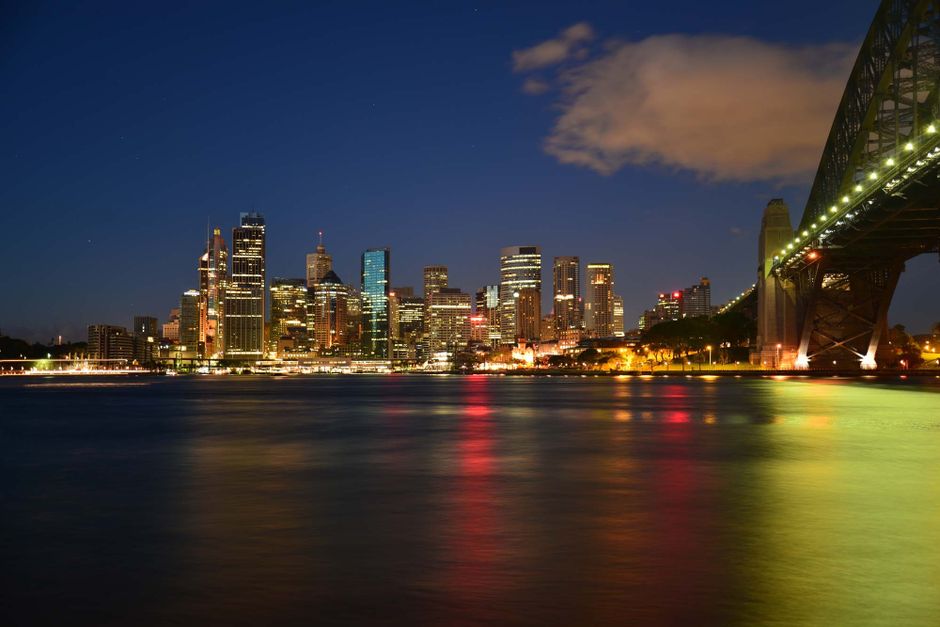
From the waterfront precincts of The Strand to the suburban sprawl of Aitkenvale, Townsville residents are increasingly vocal about the sustainability challenges facing their city. As the local council moves forward with its 2026 environmental action plan, everyday people are making their voices heard—and their concerns run deeper than headline-grabbing initiatives.
The Townsville Sustainability Forum, held last month at the Townsville Civic Theatre, drew over 200 residents keen to discuss everything from water management to urban greening. "People aren't just interested in recycling bins," said Sarah Chen, who coordinates the Ross River Community Group. "They want to know how we're actually reducing our carbon footprint and protecting our water supplies."
Water scarcity remains a pressing issue. With Greater Townsville's population projected to reach 250,000 by 2030, demand on local water infrastructure continues to strain resources. Residents in suburbs like Mysterton and Annandale have reported concerns about usage restrictions during dry seasons. Local hardware stores report a 34% increase in rainwater tank sales year-on-year, suggesting many households are taking matters into their own hands.
The city's ambitious plan to transition 40% of public transport to electric vehicles by 2028 has drawn mixed reactions. While commuters using the Townsville Transit Network welcome the initiative, some residents worry about the upfront costs being passed to ratepayers. "We support cleaner air, absolutely," noted Marcus Thompson, a business owner on Flinders Street, "but we need to see realistic timelines and transparent budgeting."
Encouragingly, grassroots efforts are gaining momentum. The Townsville Urban Farmers Collective has expanded its community gardens across five neighbourhoods, with waiting lists now stretching months. Meanwhile, the local Plastic-Free Townsville movement reports that three major retailers have committed to reducing single-use packaging.
However, community voices also highlight gaps. Indigenous land management practices—particularly regarding the protection of mangrove ecosystems around the Burdekin region—remain underrepresented in official sustainability discussions. Several residents argue that consultation with local First Nations groups should be embedded in all environmental planning.
As Townsville navigates rapid growth, residents are making clear they want a seat at the table. The upcoming public consultation period for the council's sustainability strategy runs through August. For many in this city, that window represents a crucial opportunity to shape what "green Townsville" actually looks like—not in corporate statements, but in the neighbourhoods they call home.
This article was compiled by AI from the sources linked above and screened before publishing. See our editorial standards.
About this article
Published by The Daily Townsville
Spread the word
Newsletter